Project Report
| Jun 10, 2026
Child Development: Through Exposure
By George Obua | Project Leader
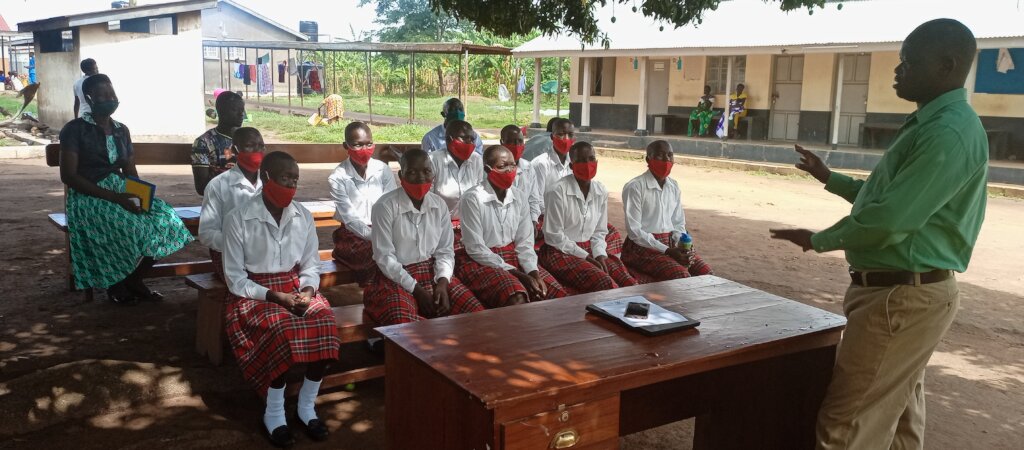
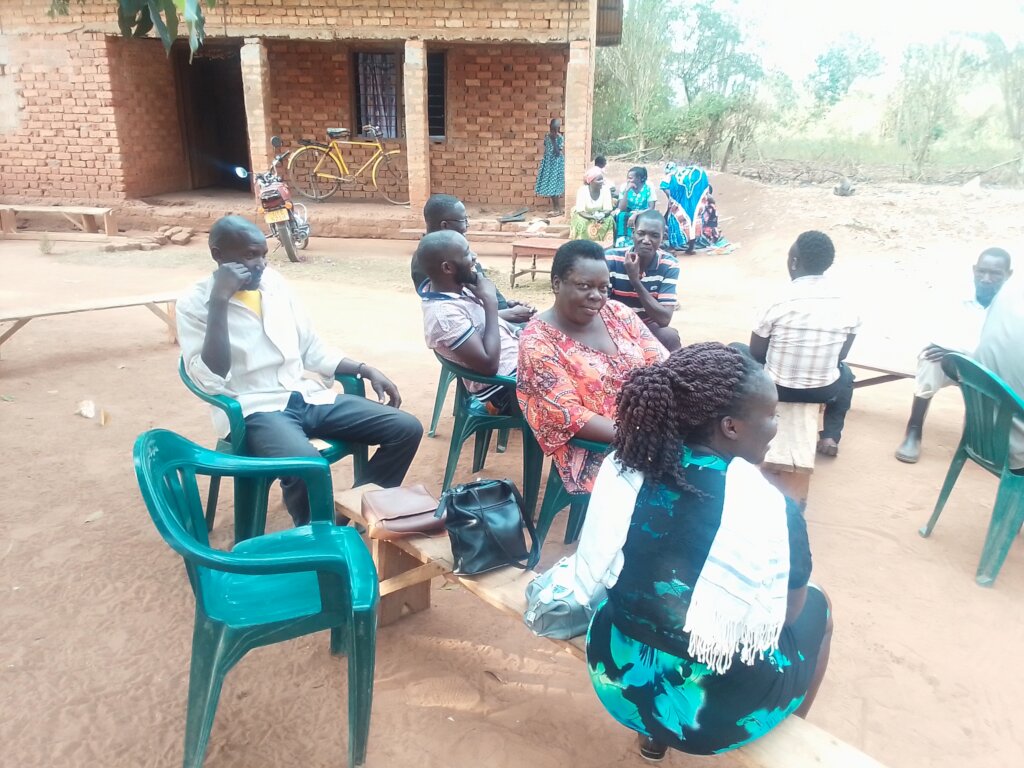
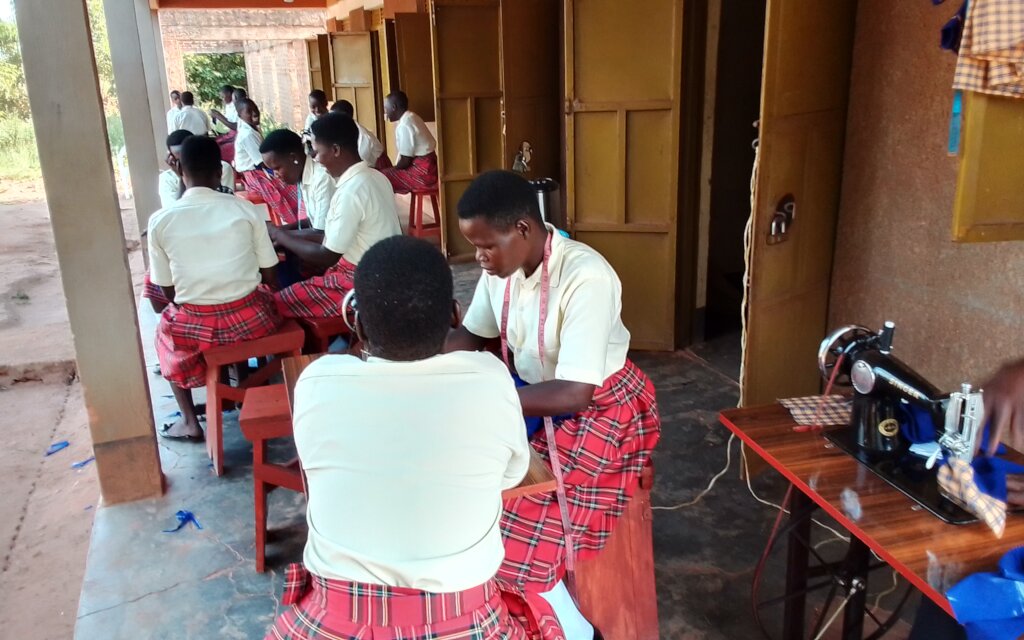
Although child development is a very broader concept of approaching lhuman behavior in different perspective; Kole Intellectual Forum is using the concept to train their students among others, on the an idle way of exposing them to a greater opportunity by involving them in a comprehensive strategy that help them to bridge the gap between academia and industry demands; and the key area is to expose them to the practical experience, enhancing career education, while fostering their relevant skills, and building professional networks. Mainly the key Strategies is to expose them to the job Markets through: Integrated Work Experience: Enhancing them in to the Career Education and Guidance: leading them into, Internships and Apprenticeships: Integrating structured, relevant internships and apprenticeships into the curriculum that allows students to gain hands-on experience and apply theoretical knowledge in real-world settings. Quality mentorship during these experiences is crucial for their effectiveness, and through Work-Based Learning: Collaborating them with employers on specific projects or work-related learning where employers enrich classroom teaching can provide practical skills and insights into industry demands. By implementing these strategies by Kole Inellectual Forum, is helping them to bridge the gap between academic knowledge and the demands of the modern job market, those are essential for their child development.
![Share on Twitter]()
![Share on Facebook]()
Jun 10, 2026
Students: Empower in speech and reading
By George Obua | Project Leader
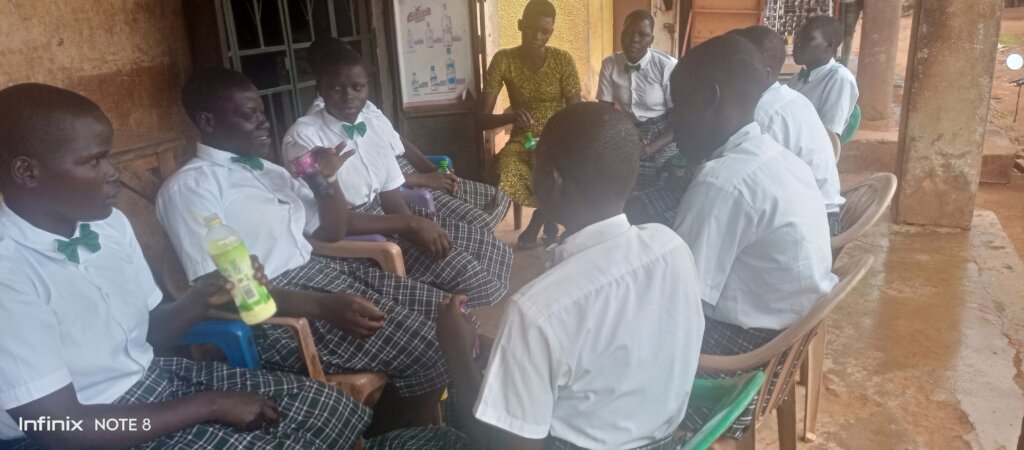
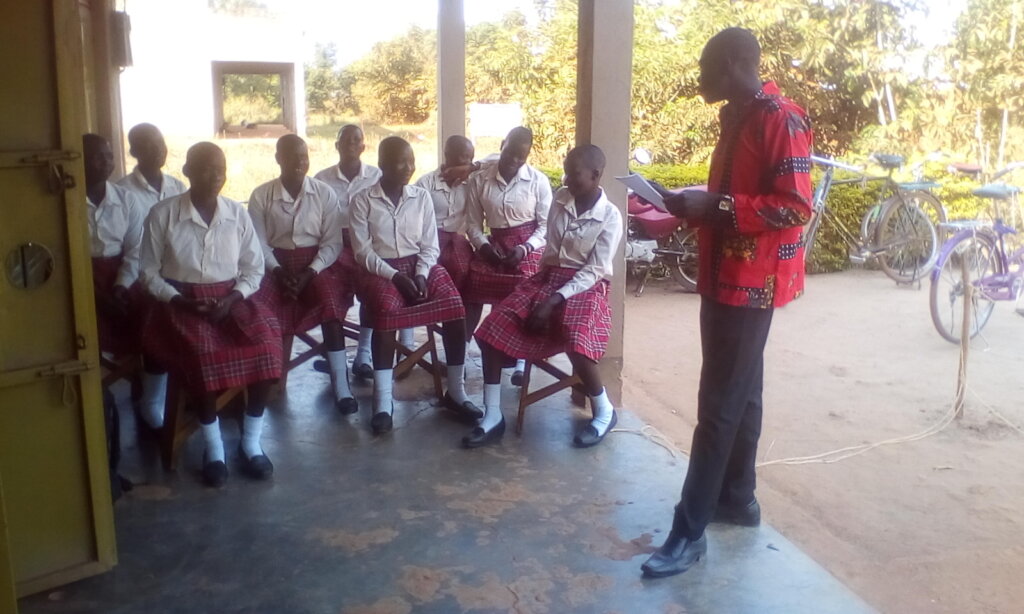
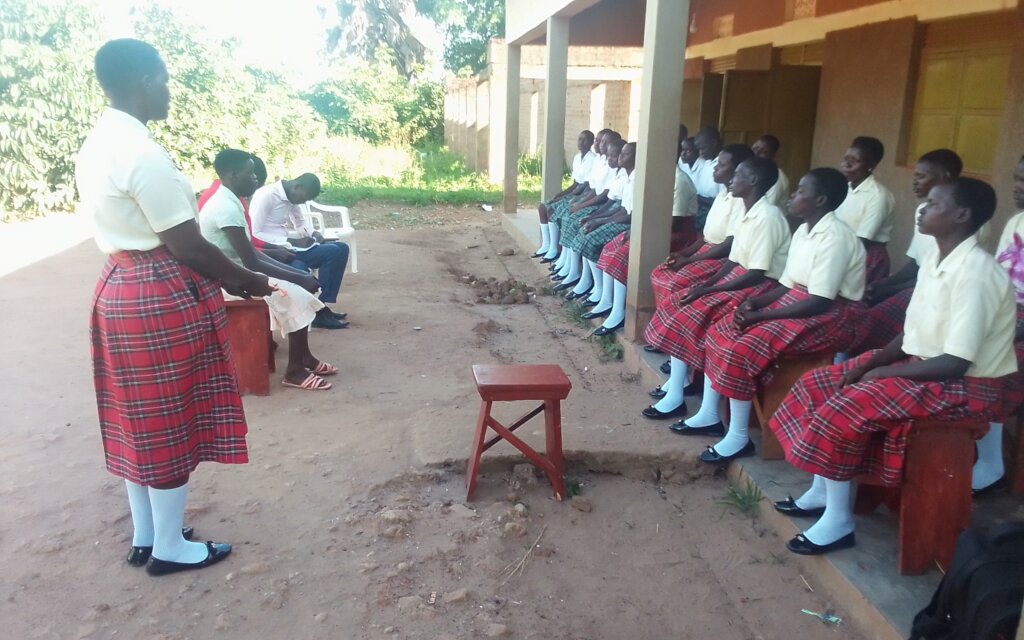
By empowering students of Kole Intellectual Forum to foster ownership in their speeches and engage them in growth mindset in reading; Kole Intellectual Forum, at their Institute of Home Economics is giving their students in making choices in their reading materials, making learning interactive with games and technology, and explicitly teaching them skills like "brain talk" to build resilience and confidence.
In practice, they:
- Provide choice and variety: by allowing their students to choose their own reading materials based on their interests and provide access to a wide variety of texts, from novels to magazines.
- Encourage extensive reading that helps their students to build stamina by reading with them in the classroom rather than only assigning it as homework.
- Integrate technology: by using tools like tablets for annotating passages, which can make reading more interactive and engaging.
- Focus on skills: students are taught the skills they need to choose the right text and provide explicit instruction on how words work, including using morphology and Latin roots.
- Make it fun: Incorporate games, physical movement, and rewards to keep reading enjoyable and motivating.
- Promote reading speed: Practice timed reading exercises to improve fluency and speed.
- Establish clarity and purpose: make them to clearly communicate their goals in speech sessions and this has help them to understand the purpose of their work.
- Promote independence: Empower students to take control of their own communication goals instead of relying solely on the caregiver or therapist to motivate them.
![Share on Twitter]()
![Share on Facebook]()
Jun 9, 2026
Teacher proximity: A powerful tool - Learning
By George Obua | Project Leader
This is a situation that allow instructors tend to move closer to students primarily to enhance student engagement, improve behavior management, and foster stronger teacher-student relationships. This physical movement, known as teacher proximity, serves as a powerful non-verbal communication tool that yields positive impacts to the learning environment. Teacher proximity dwells on the:
- Improved Behavior Management: Proximity acts as an effective non-verbal strategy to deter off-task or disruptive behavior without needing verbal intervention. Moving strategically around the room creates a sense of accountability and allows potential issues to be addressed subtly before they escalate.
- Increased Student Engagement and Motivation: Teacher movement helps to break down psychological and physical barriers, making the instructor appear more approachable. This encourages more active participation, increases student effort, and fosters an environment of shared responsibility and focus.
- Stronger Teacher-Student Relationships: Being physically closer allows for more personal, informal interactions and check-ins with individual students or groups. These small moments help build trust and rapport, which is fundamental for creating a supportive learning environment that leads to better academic and social outcomes.
- Enhanced Formative Assessment: Moving around the classroom allows the instructor to observe student progress and understanding in real-time. By listening to discussions and observing problem-solving strategies, teachers can gain valuable insights and adjust their teaching approach on the go to meet varied student needs (differentiated instruction).
Creation of a Dynamic Learning Environment: Mobility allows instructors to utilize the entire classroom space, moving away from a static, front-of-the-room teaching model. This flexibility supports various activities, such as group projects and student-led presentations, and keeps the environment fresh and engaging
![Share on Twitter]()
![Share on Facebook]()