By Mufid | Project Staff
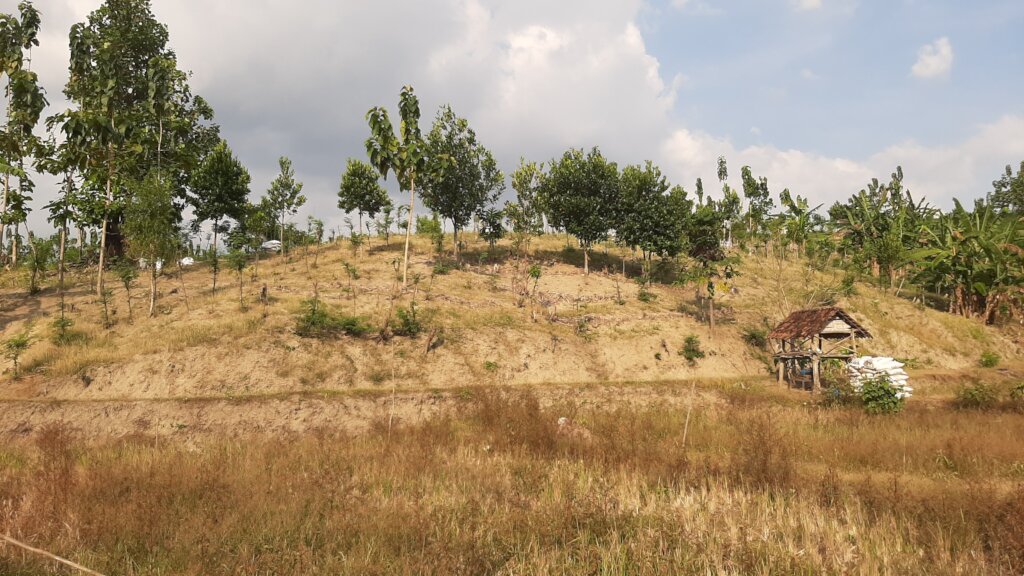
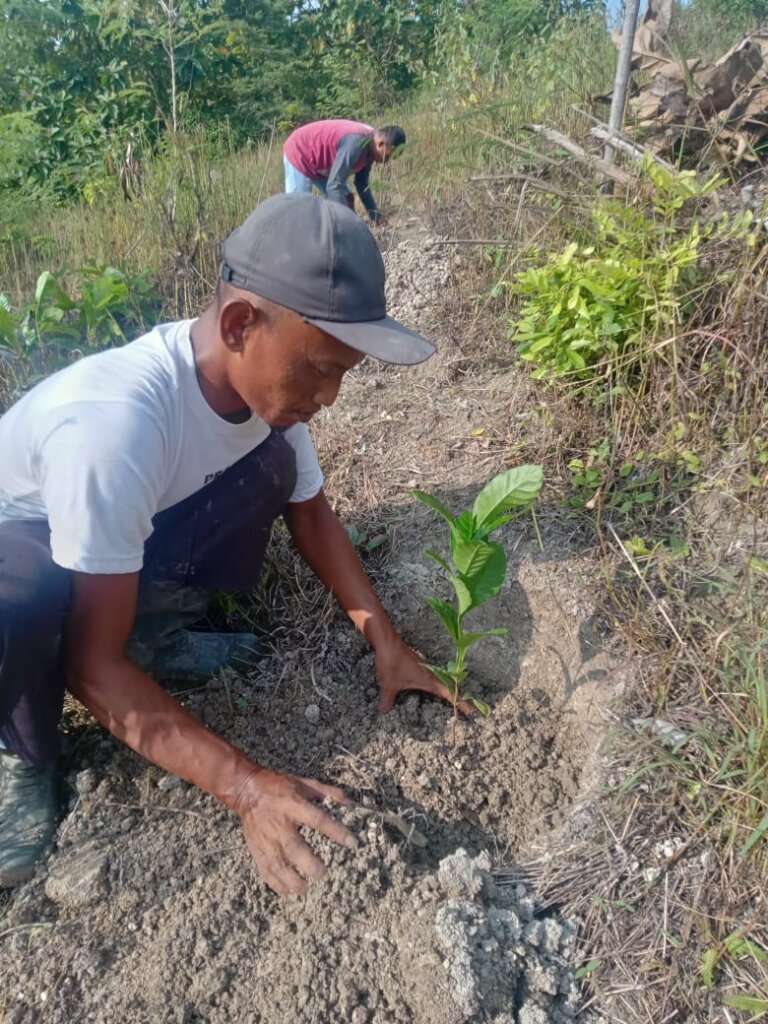
As communities and conservation practitioners seek sustainable ways to restore degraded landscapes while strengthening local economies, agroforestry has emerged as one of the most promising approaches. By integrating trees, crops, and livestock within a single land management system, agroforestry creates opportunities to balance environmental restoration with economic productivity.
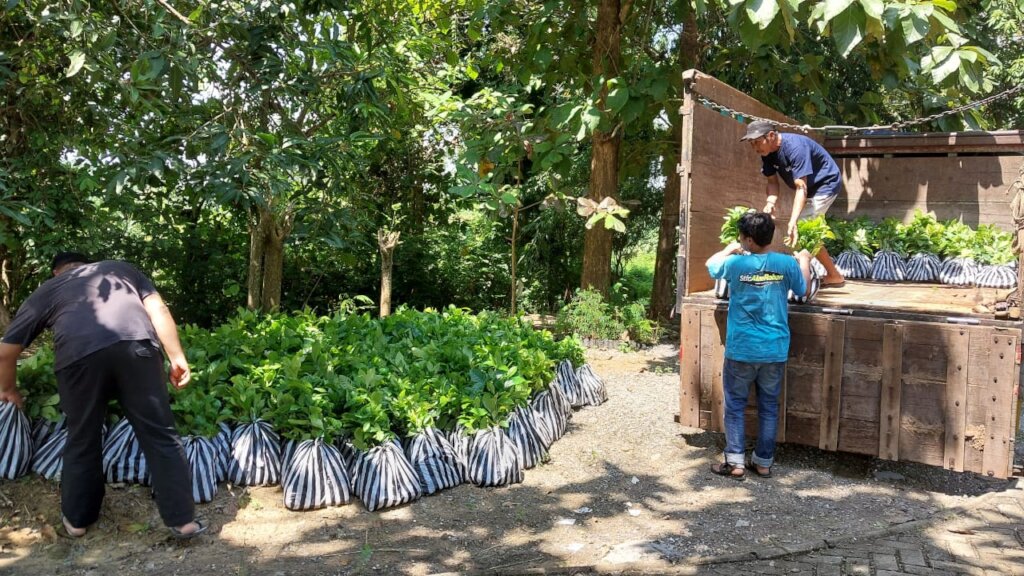
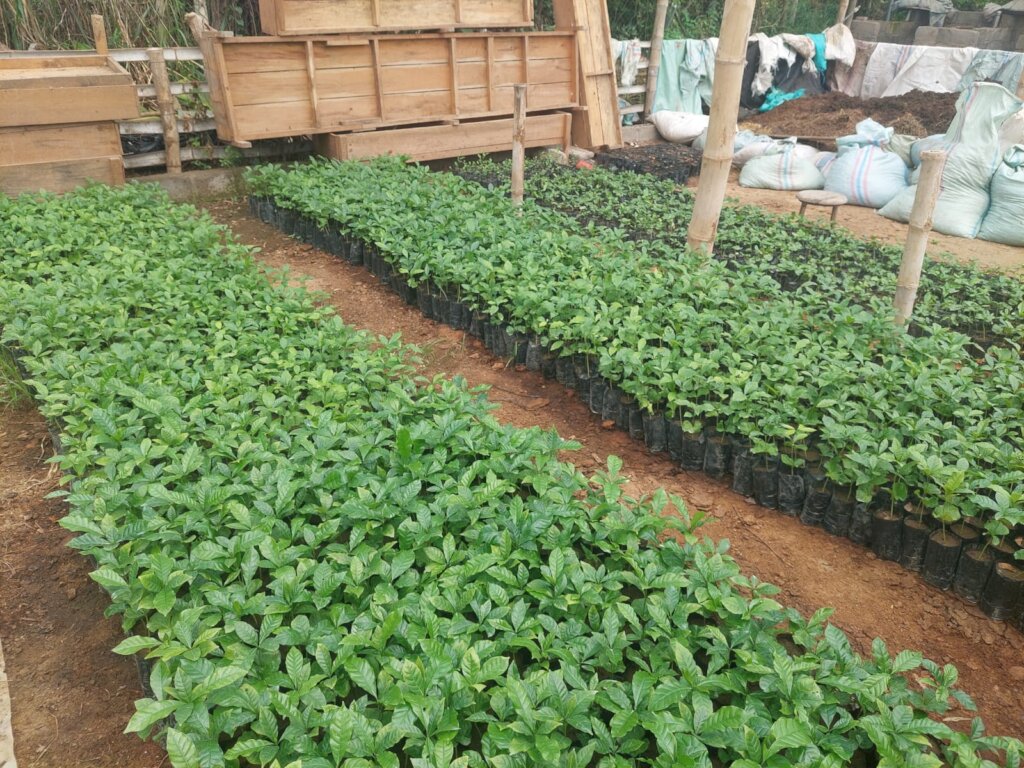
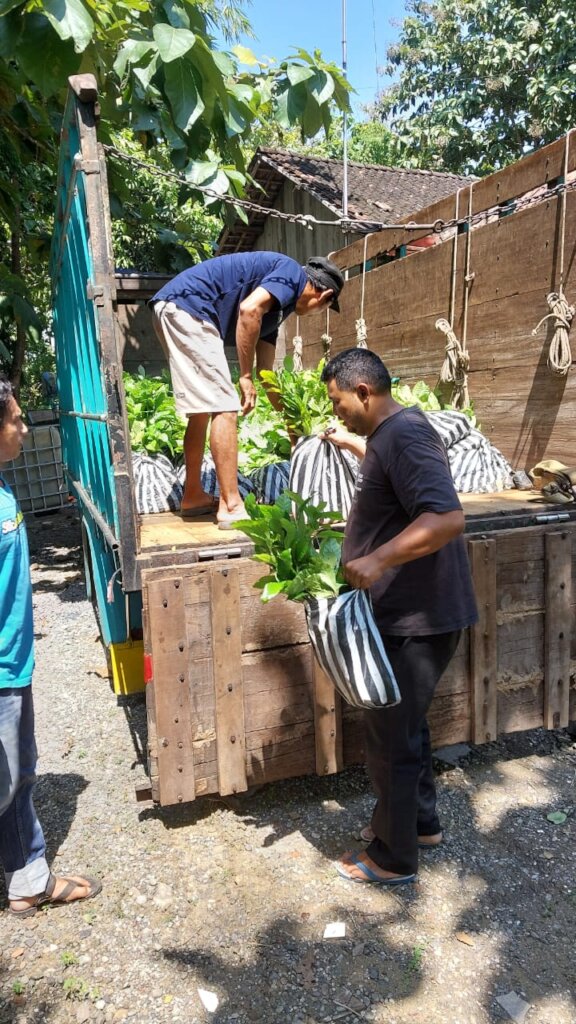
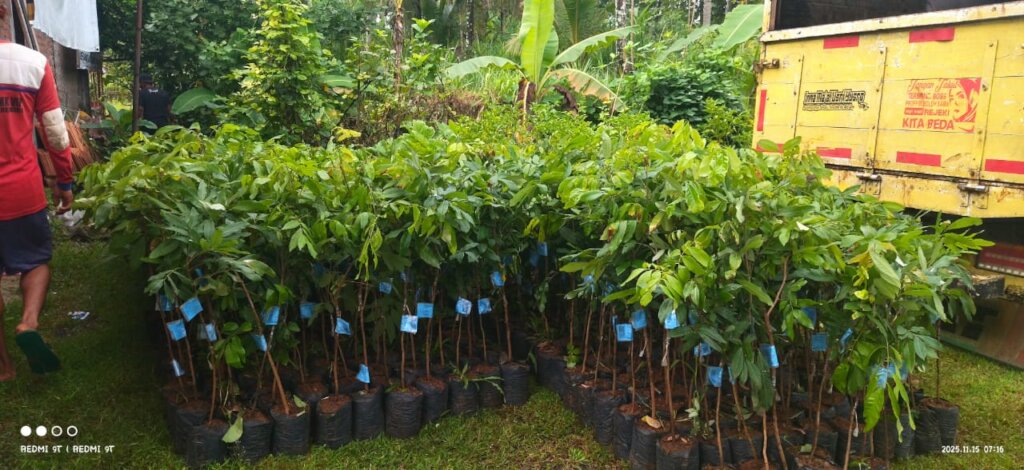
Among the various species being introduced into agroforestry systems, durian is increasingly gaining attention as a high-value crop with significant economic potential. Once considered primarily a fruit commodity, durian is now becoming an important component of community-based agroforestry initiatives aimed at supporting both livelihoods and forest conservation.
Why Durian?
Durian is one of the most valuable fruit crops in Southeast Asia, with strong and growing demand in domestic and international markets. Compared to many annual crops, durian offers substantially higher economic returns once trees reach maturity.
For forest farmers, durian represents a long-term investment that can provide stable income for decades. Mature trees can continue producing fruit annually, creating a reliable source of revenue while maintaining permanent tree cover across the landscape.
This characteristic makes durian particularly attractive within conservation-oriented agroforestry systems.
Supporting Forest Conservation
Unlike annual crops that often require repeated land clearing and soil disturbance, durian is a perennial tree crop that contributes to long-term vegetation cover.
When integrated into agroforestry systems, durian helps:
As the trees mature, they contribute to ecological restoration while continuing to generate economic benefits for local communities.
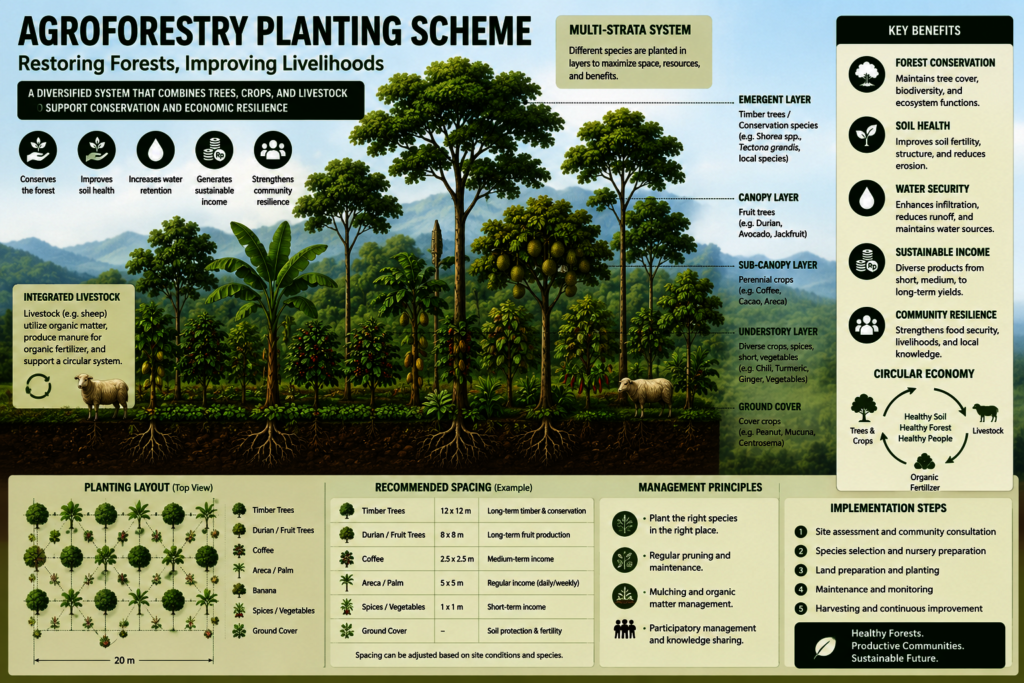
Durian in Multi-Layered Agroforestry Systems
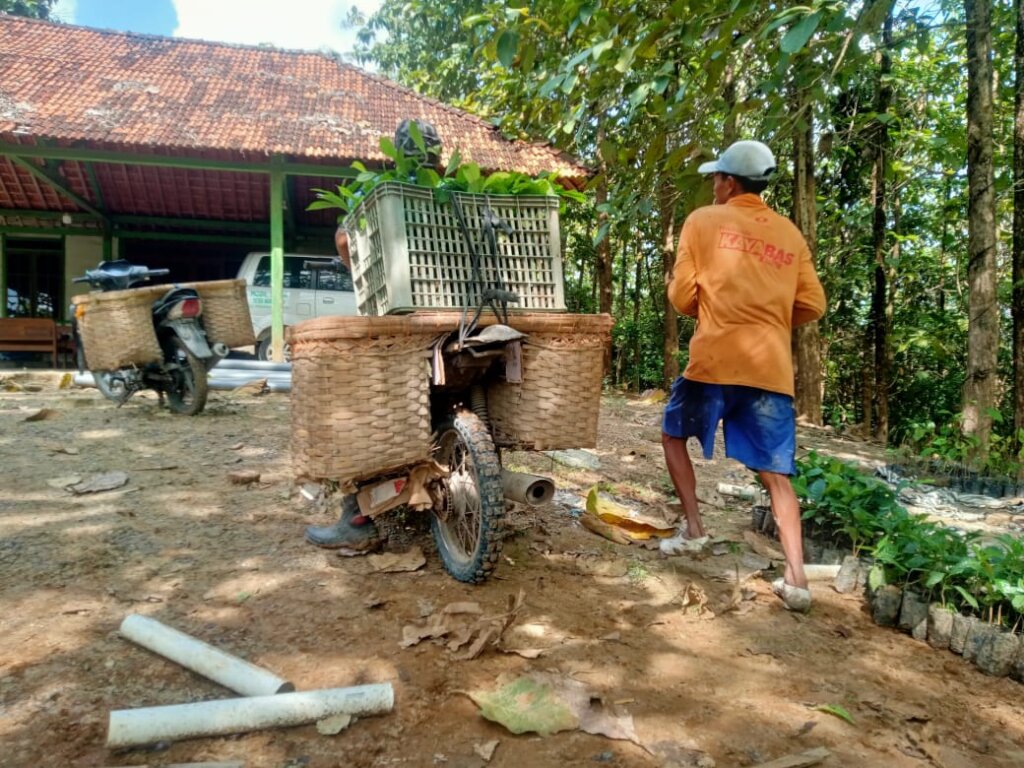
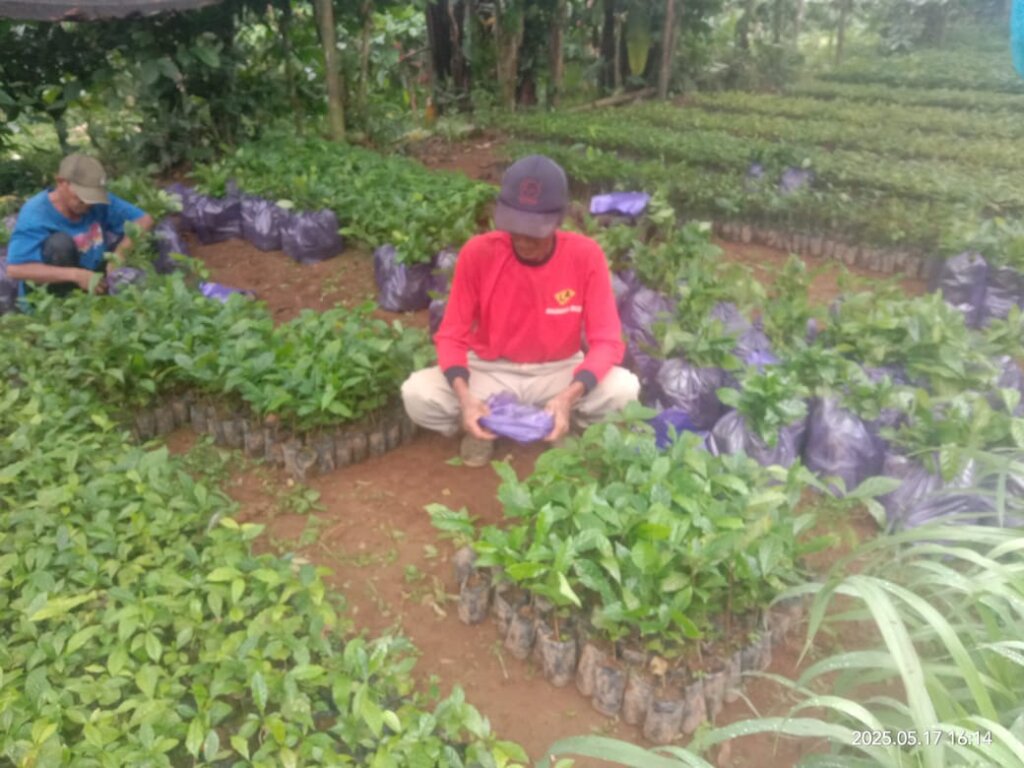
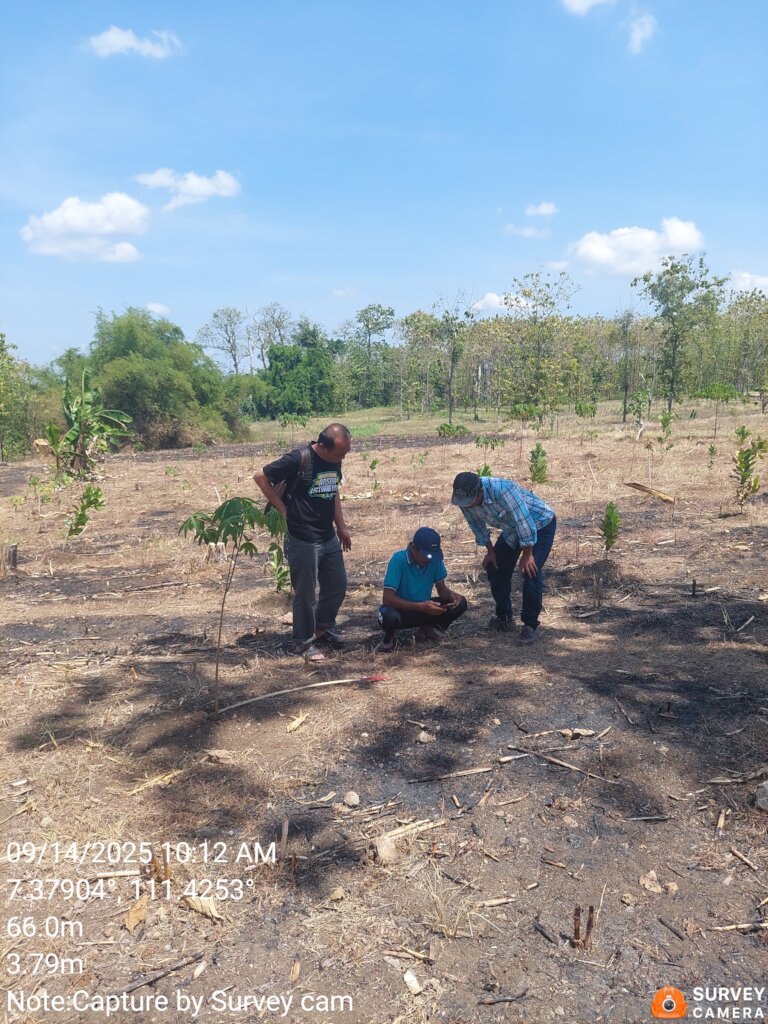
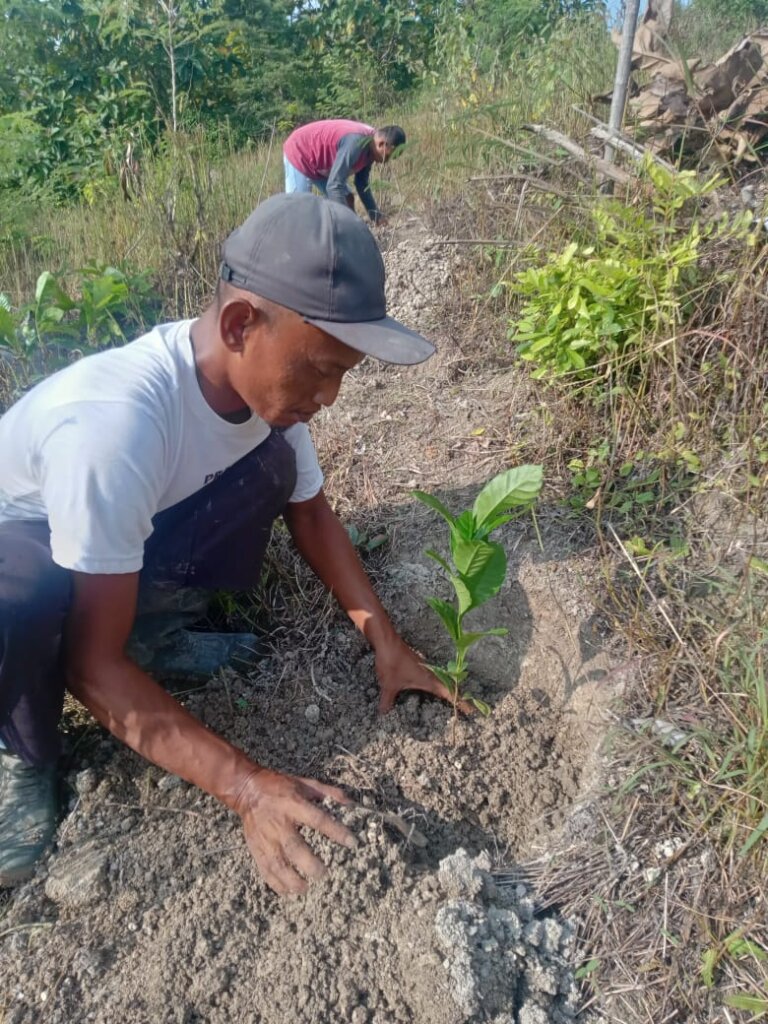
The agroforestry model promoted by Yayasan INFEST combines durian with a variety of other species that provide benefits at different time scales.
The system may include:
Through this multi-layered design, farmers can generate income throughout the year while gradually building a productive and resilient forest landscape.
Strengthening Community Livelihoods
One of the greatest challenges in conservation is ensuring that local communities receive tangible economic benefits from restoration efforts. Durian helps address this challenge by creating a strong economic incentive to maintain tree cover over the long term.
As tree ownership and fruit production increase, communities gain a direct stake in protecting and managing agroforestry landscapes. This helps align conservation objectives with household economic interests, making restoration efforts more sustainable and community-driven.
Looking Ahead
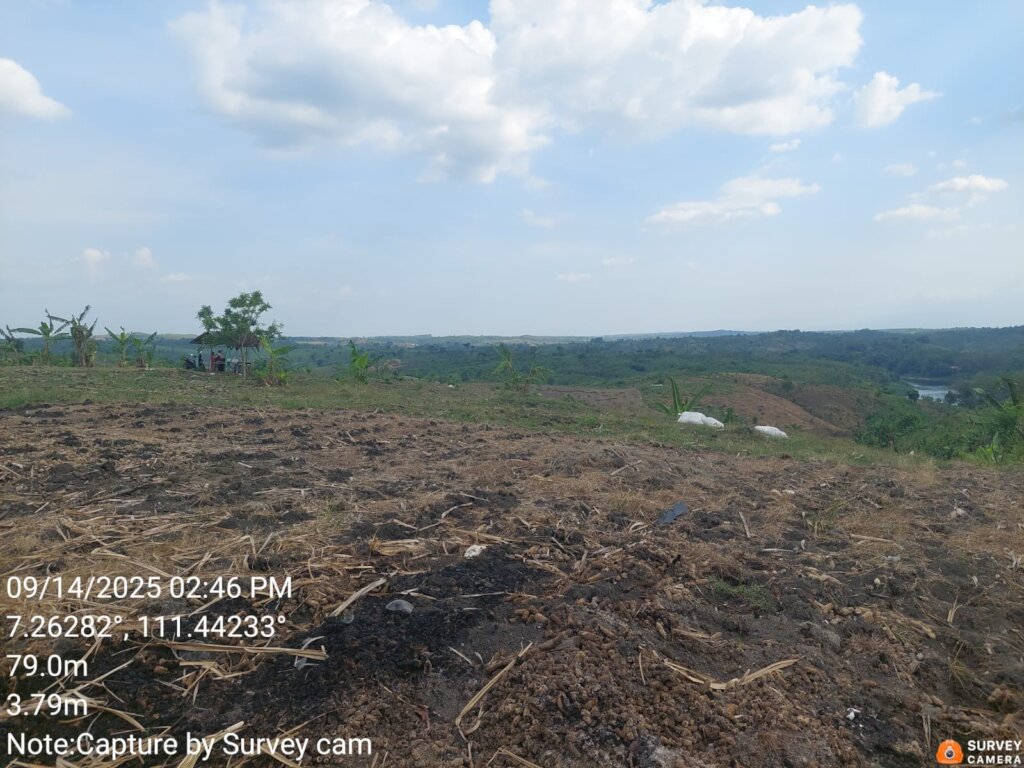
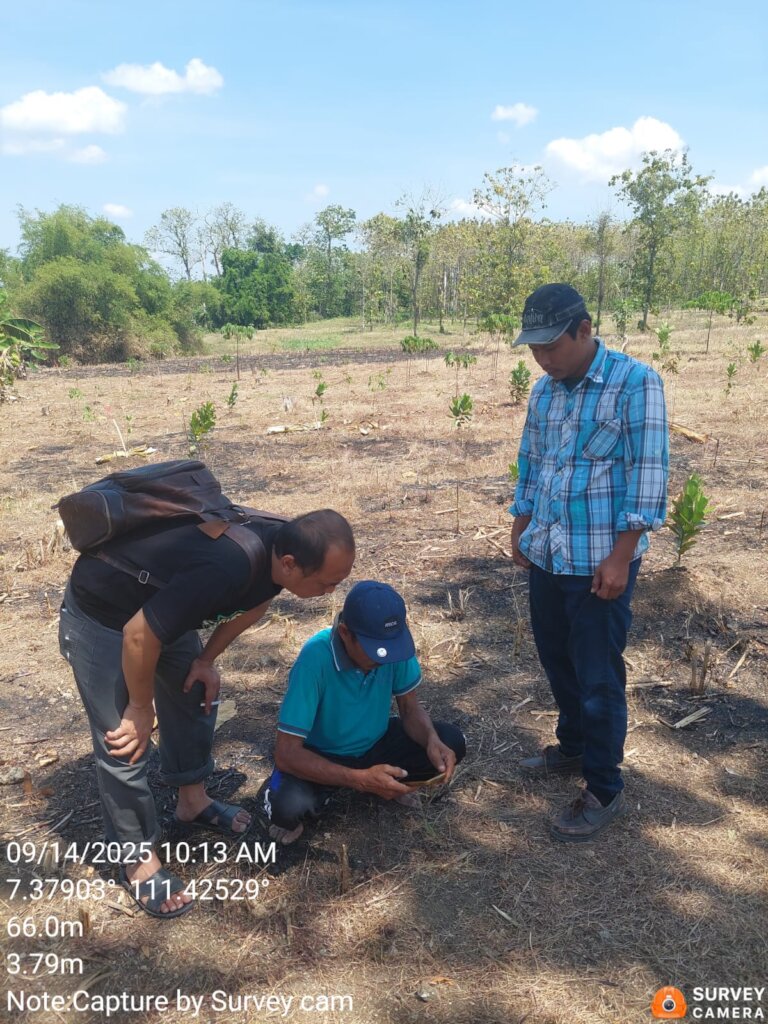
As agroforestry development expands across several project locations, durian is expected to play an increasingly important role in building conservation-based rural economies. Its combination of ecological value, long productive lifespan, and strong market demand makes it a strategic species for restoring degraded landscapes while improving farmer livelihoods.
For communities engaged in forest restoration, durian is becoming more than just a fruit tree—it is emerging as a key component of a future where conservation and economic prosperity grow together.
By Nur Abdullah | Project Staff
By Misbachul Munir | Project Staff
Project reports on GlobalGiving are posted directly to globalgiving.org by Project Leaders as they are completed, generally every 3-4 months. To protect the integrity of these documents, GlobalGiving does not alter them; therefore you may find some language or formatting issues.
If you donate to this project or have donated to this project, you can receive an email when this project posts a report. You can also subscribe for reports without donating.



Support this important cause by creating a personalized fundraising page.
Start a Fundraiser