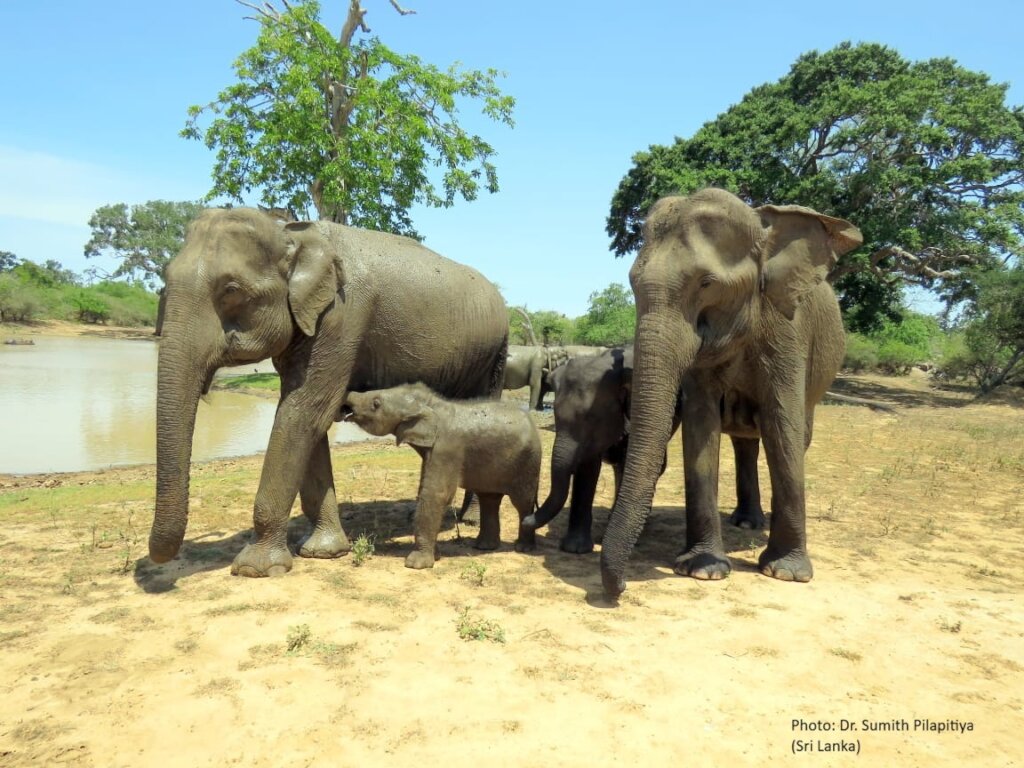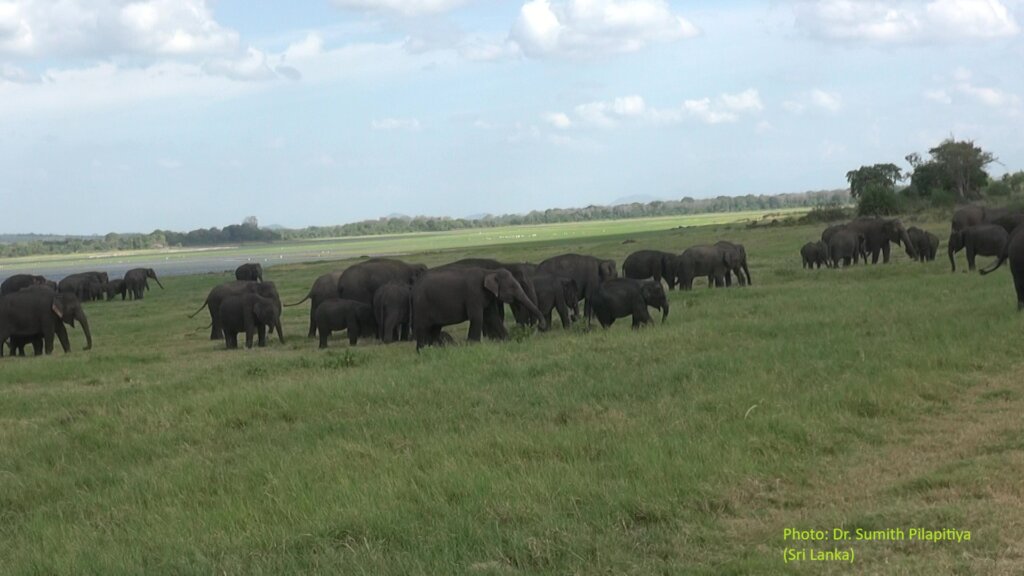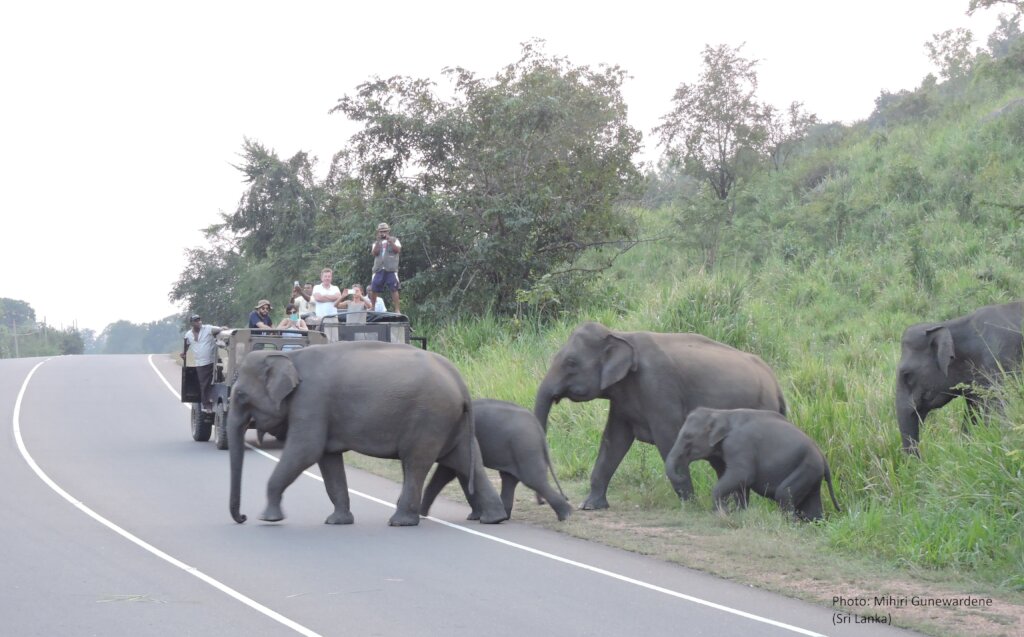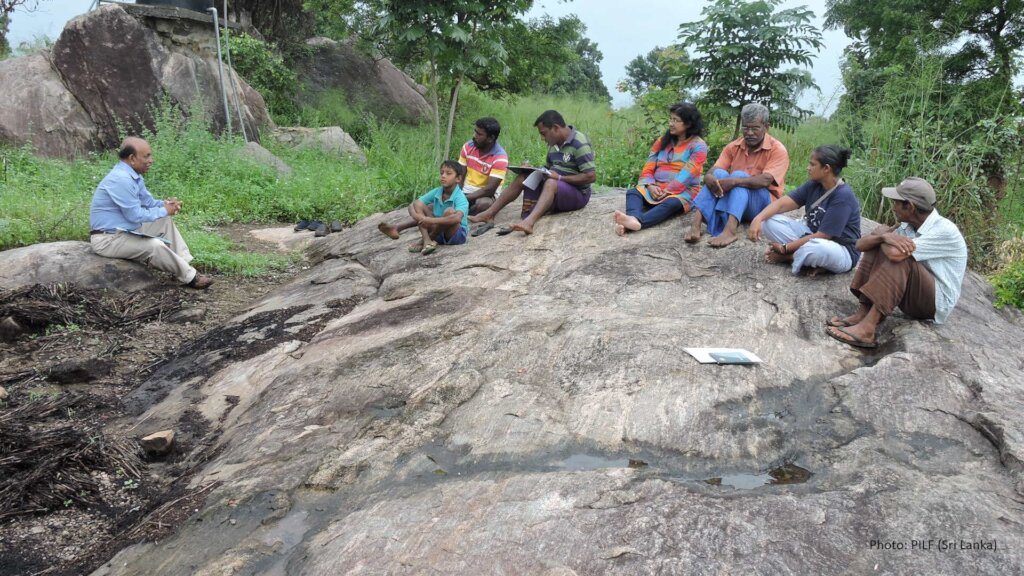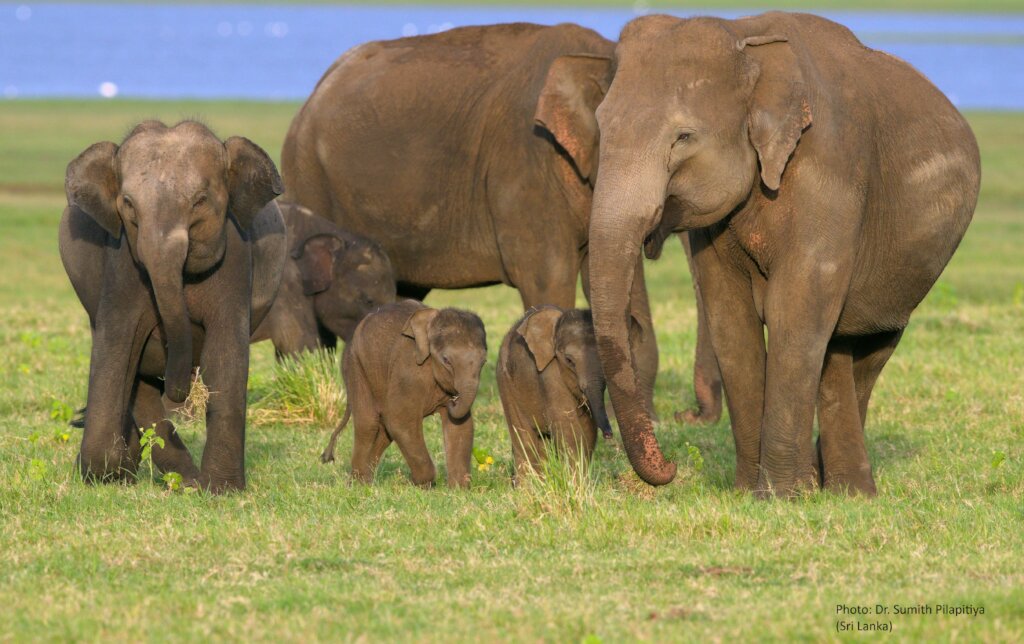
Sri Lankans lived in harmony with wild elephants in the 19th century. The key to co-existence was understanding elephants and their behavior. Today, the country faces one of the world's worst human-elephant conflicts (HEC). The project "Sharing Space: Co-existence through Understanding" will create awareness on elephant behavior among affected communities to rekindle their ability to co-exist to mitigate the HEC, while transforming the elephant into an economic asset with community benefits.
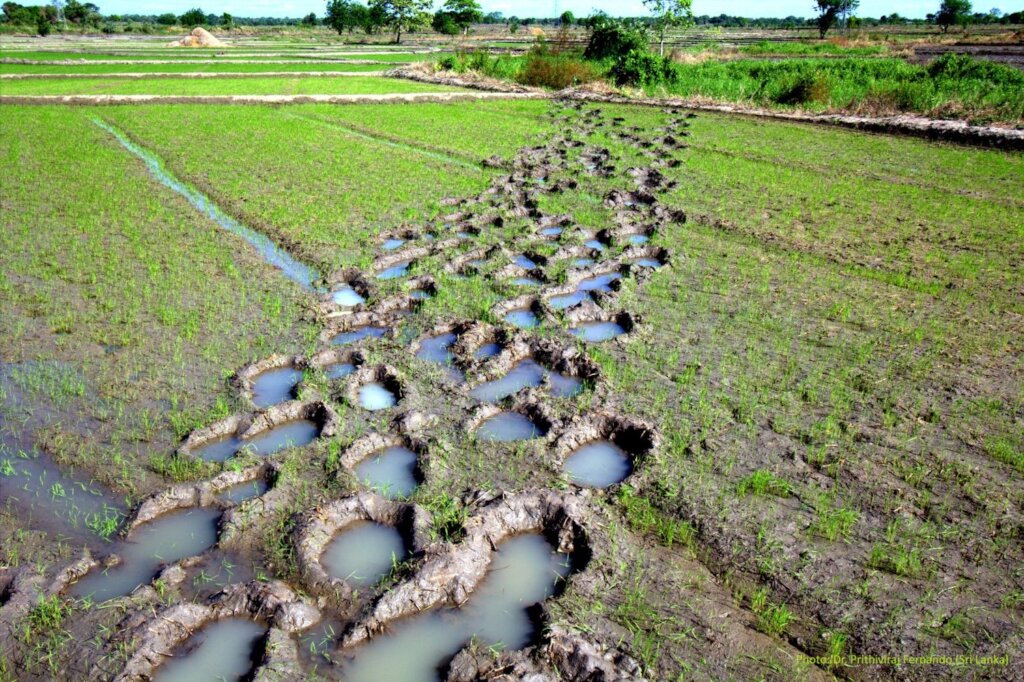
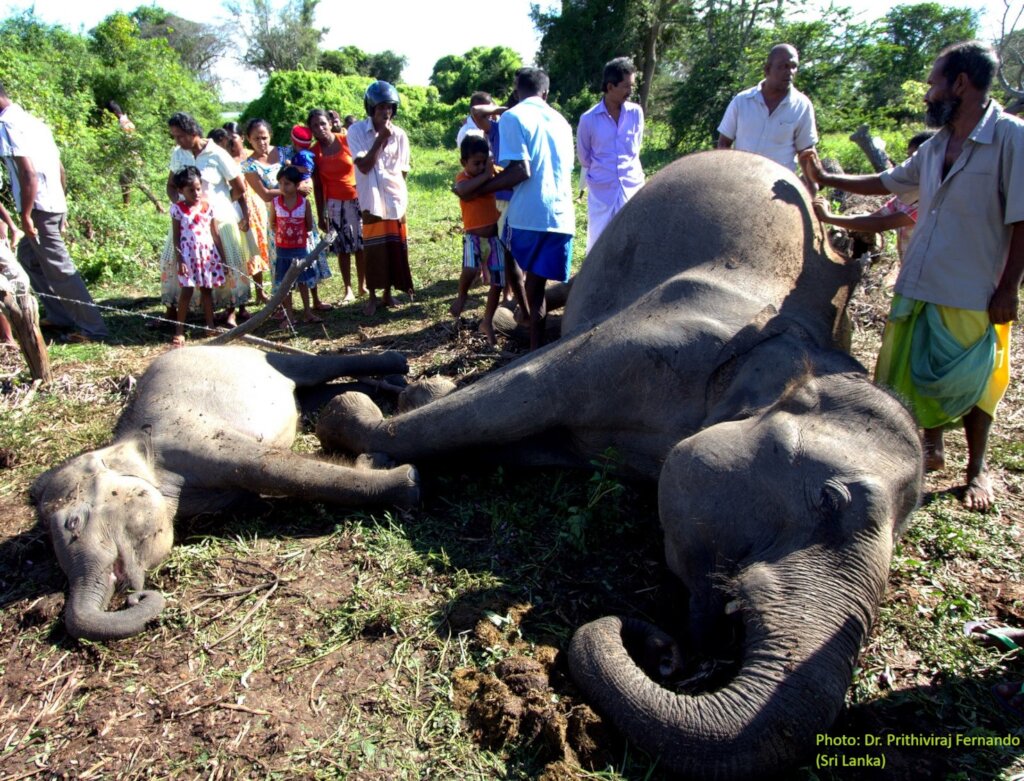
HEC in Sri Lanka is a spiraling conservation and social problem causing severe casualties for elephants and humans. Elephants suffer further due to habitat fragmentation and loss and humans due to property and crop damage. Since 2019, HEC has claimed an annual average of 125 human and 370 elephant lives. While elephant is an iconic species and part of our national heritage which is of great conservation and economic value, HEC drives rural communities into poverty and socio-economic instability.
HEC mitigation efforts like elephant drives and crackers, and electric fences have failed to reduce HEC for 06 decades leading to elephant aggression. PILF and Elephant Ethologists propose a new approach where awareness and education amongst HEC affected communities on elephant needs and behavior, will make them to adapt to elephants without expecting elephants to adapt to them. Transforming elephants from a liability to an economic asset to affected communities will incentivize co-existence.
The project will (i) help in building trust and empathy between elephants and humans, struggling for survival in a shared space and ease HEC leading to a conflict free, safe and stable future for both species; (ii) open paths for communities to experience innovative income generation opportunities like community-based elephant viewing tourism, encouraging peaceful Human- Elephant Co-existence; and (iii) create a model for Human-Elephant Co-existence in Sri Lanka and beyond.
This project has provided additional documentation in a PDF file (projdoc.pdf).



Support this important cause by creating a personalized fundraising page.
Start a Fundraiser