By Overseas Team | Member of Overseas Team
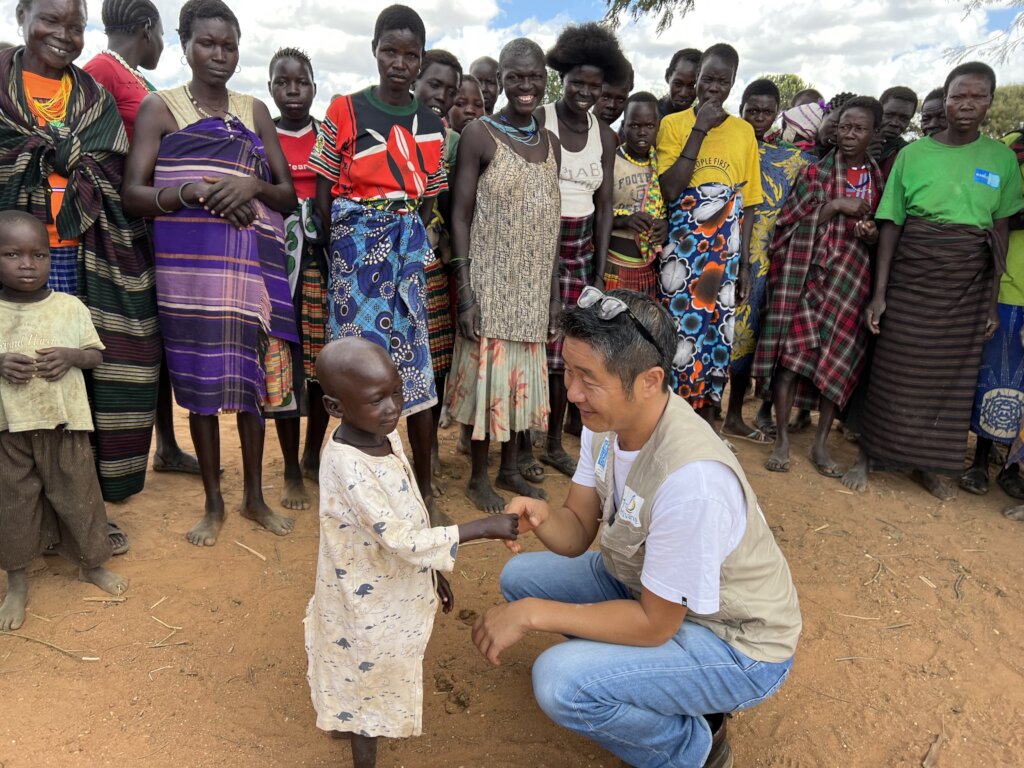
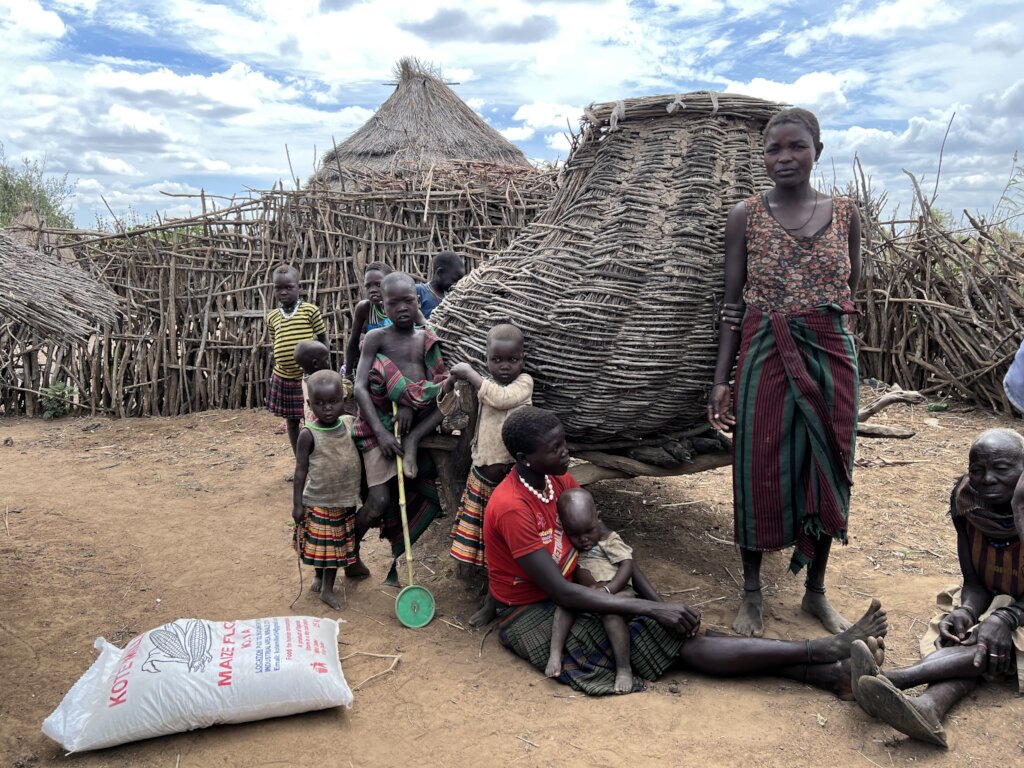
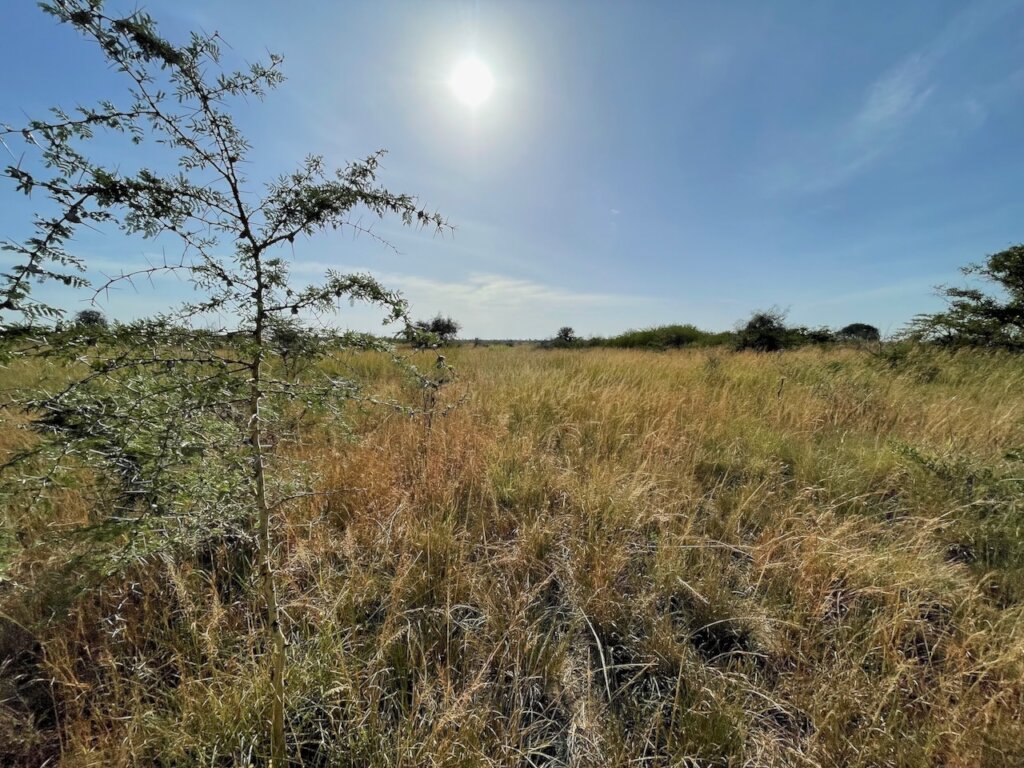
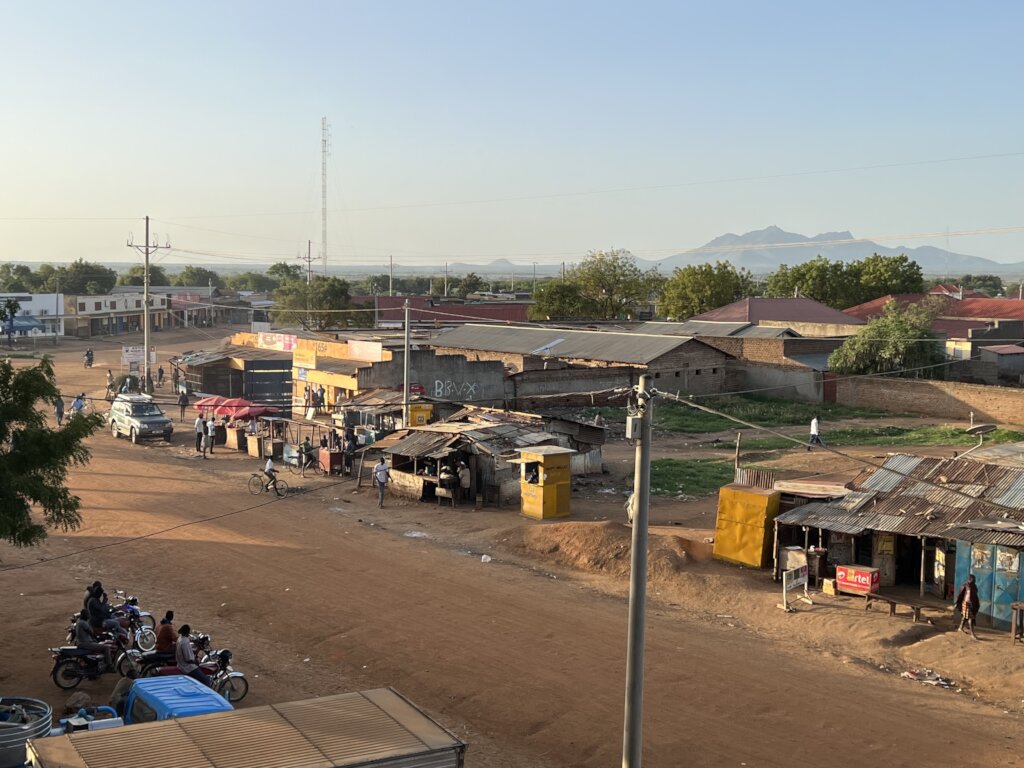
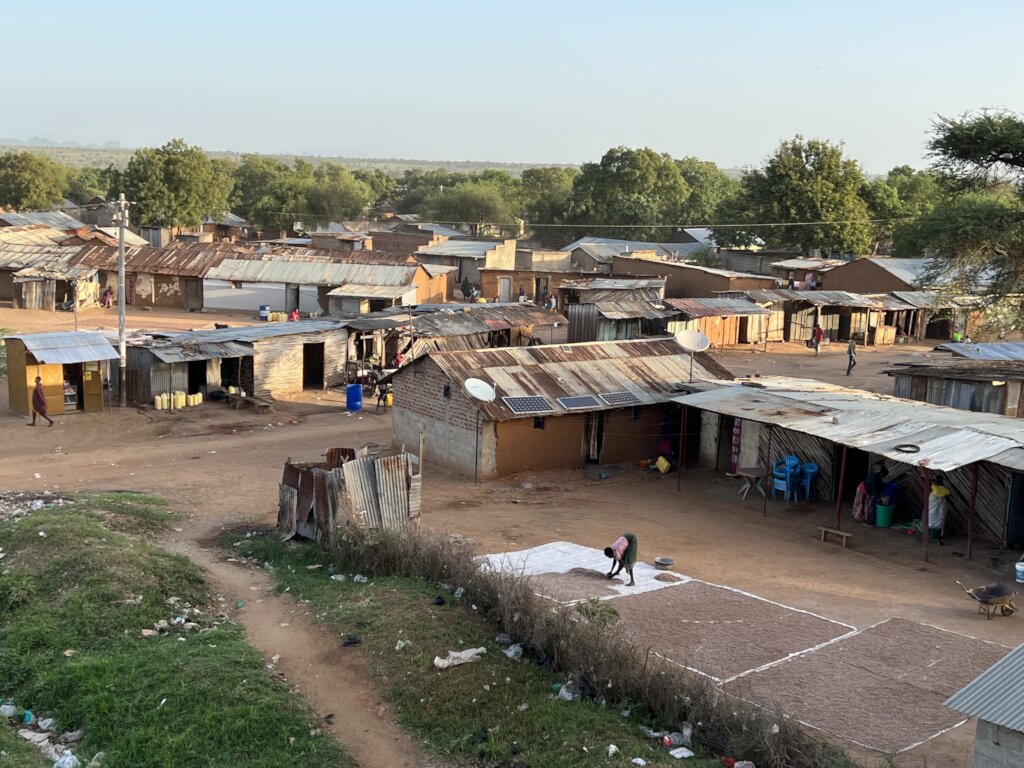
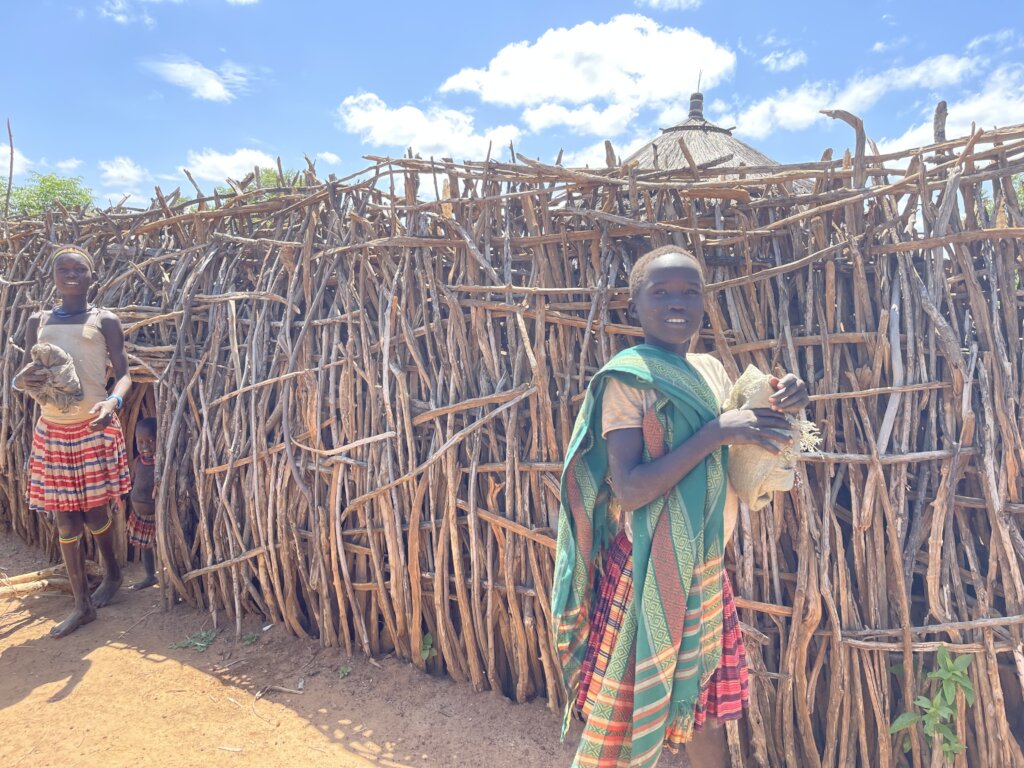
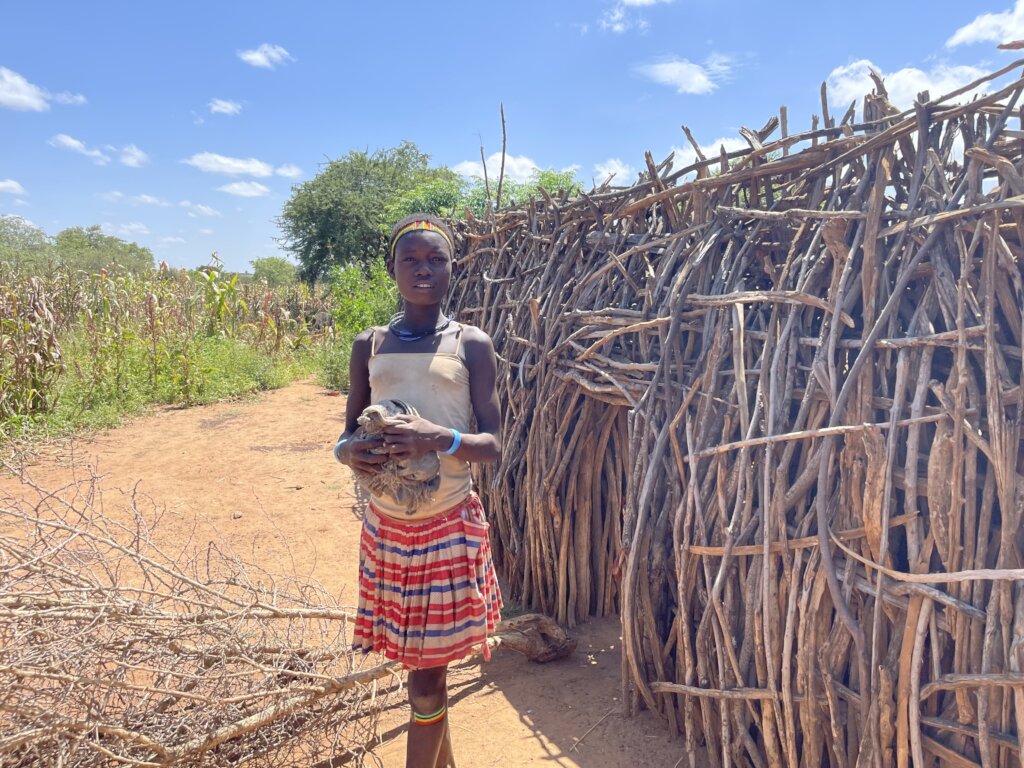
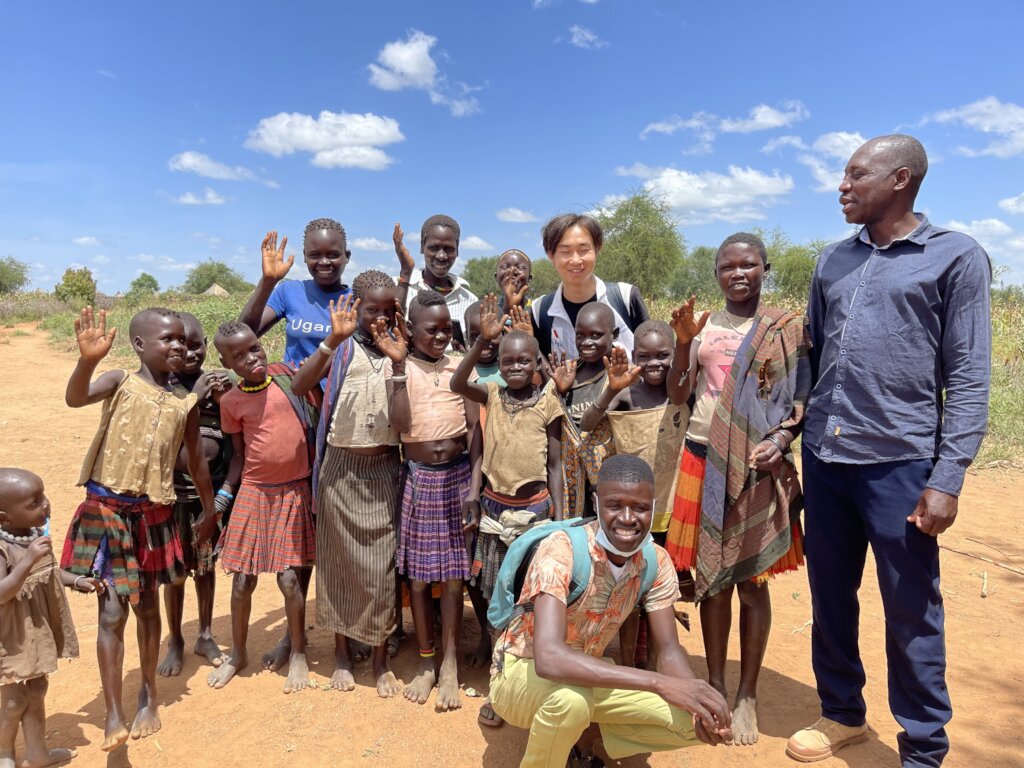
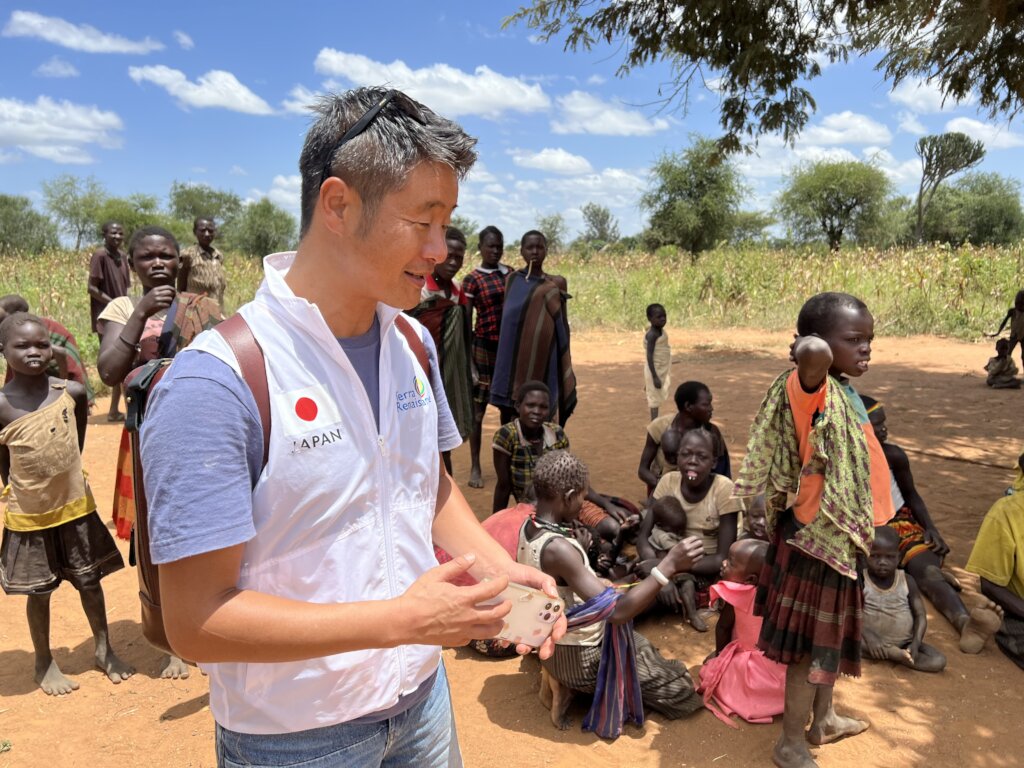
The dry season has arrived in Karamoja!
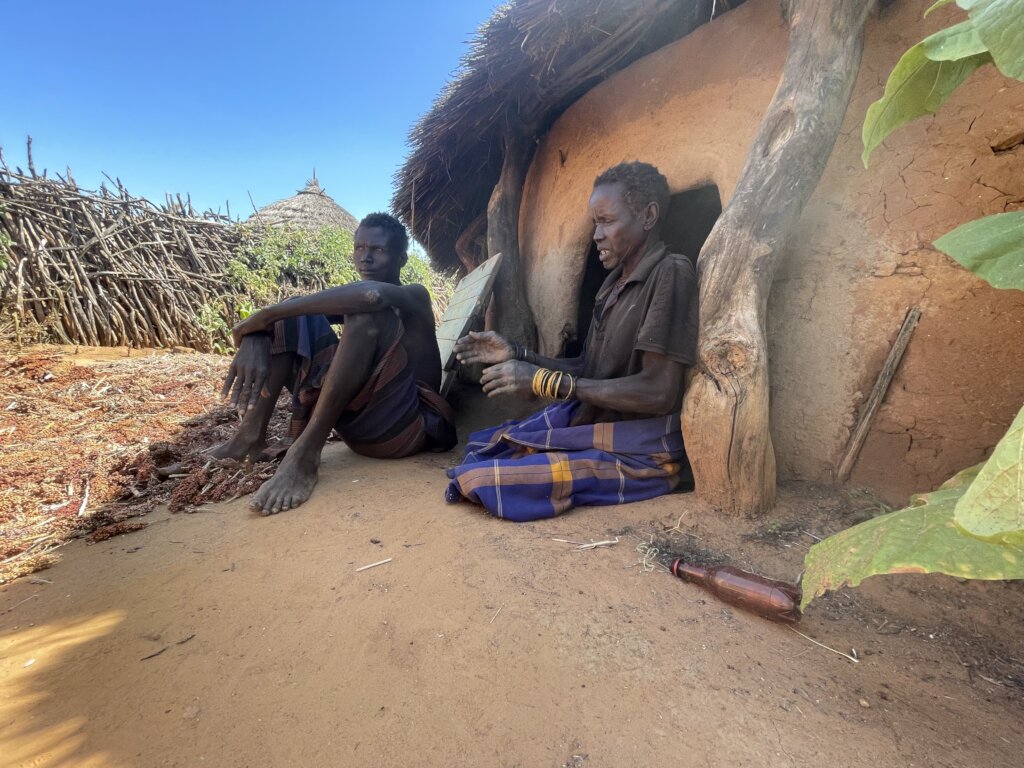
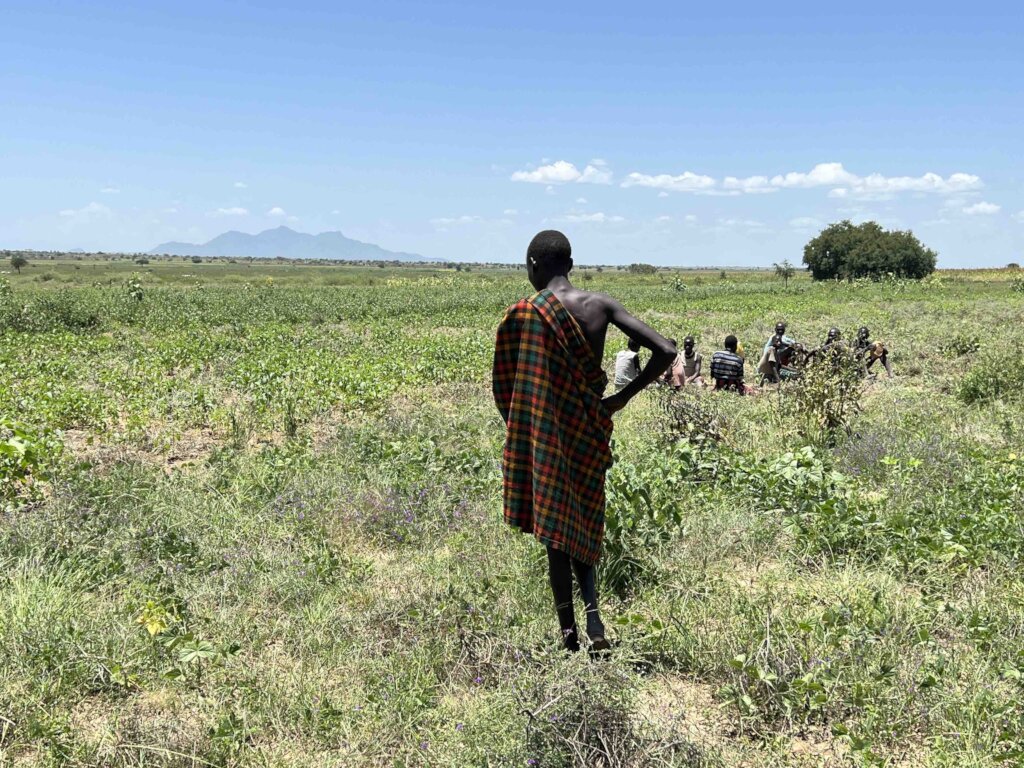
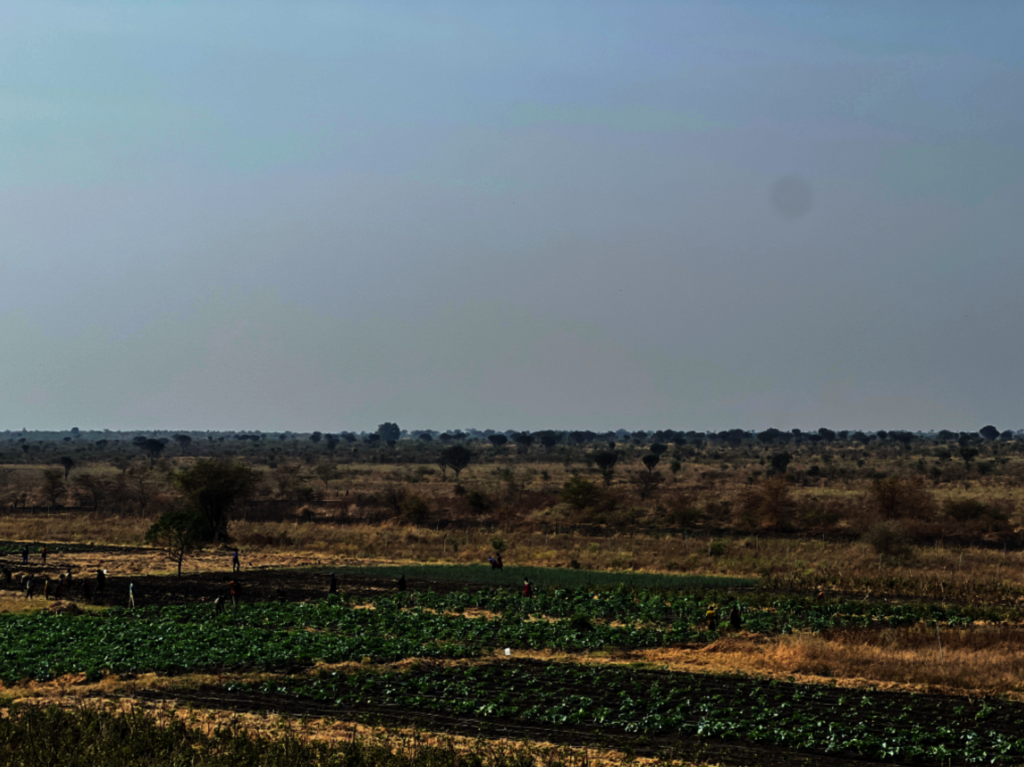
This is the harsh season that, just a few years ago, claimed lives due to hunger. The reservoir that overflowed during the rainy season last August has now shrunk significantly.
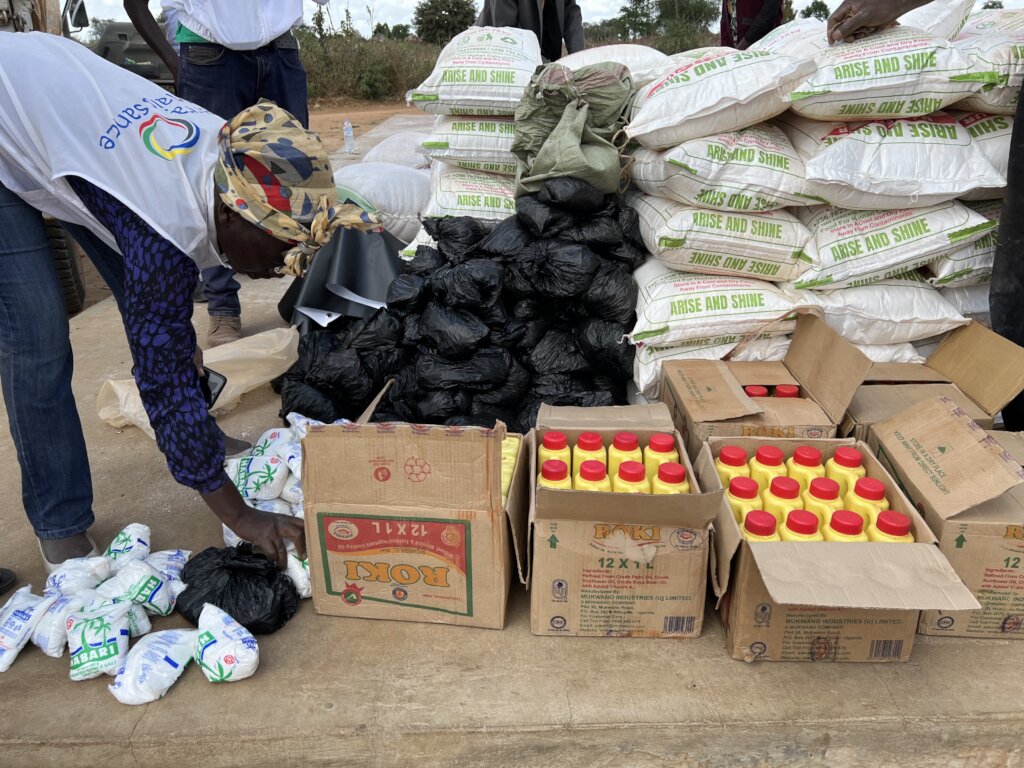
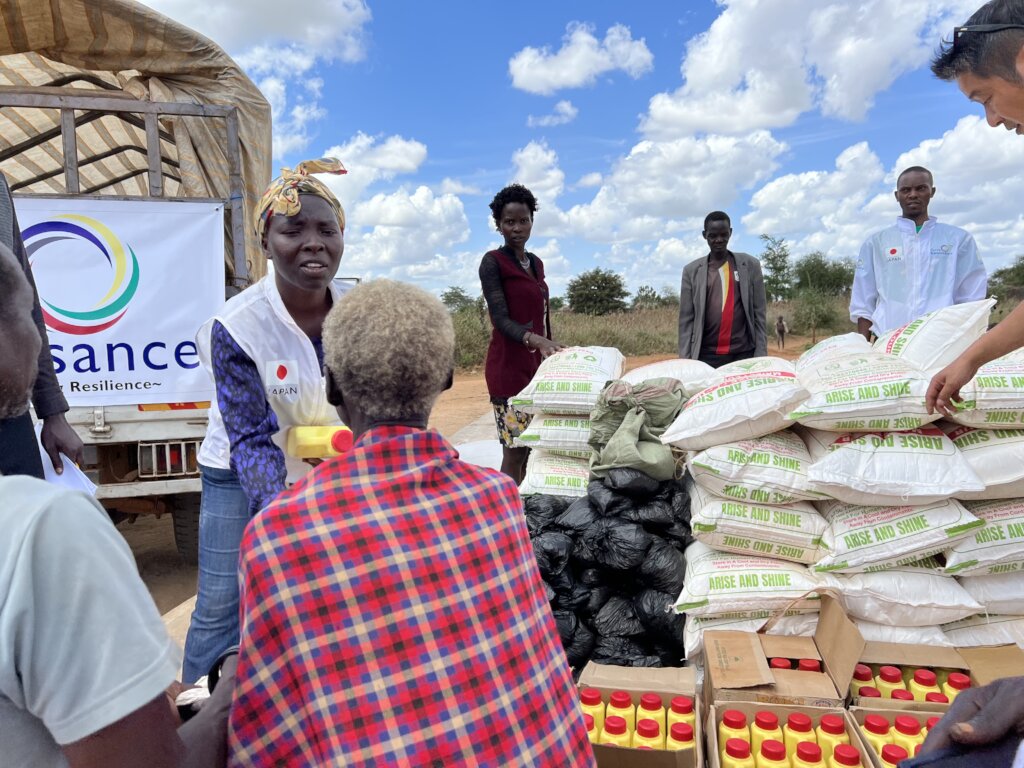
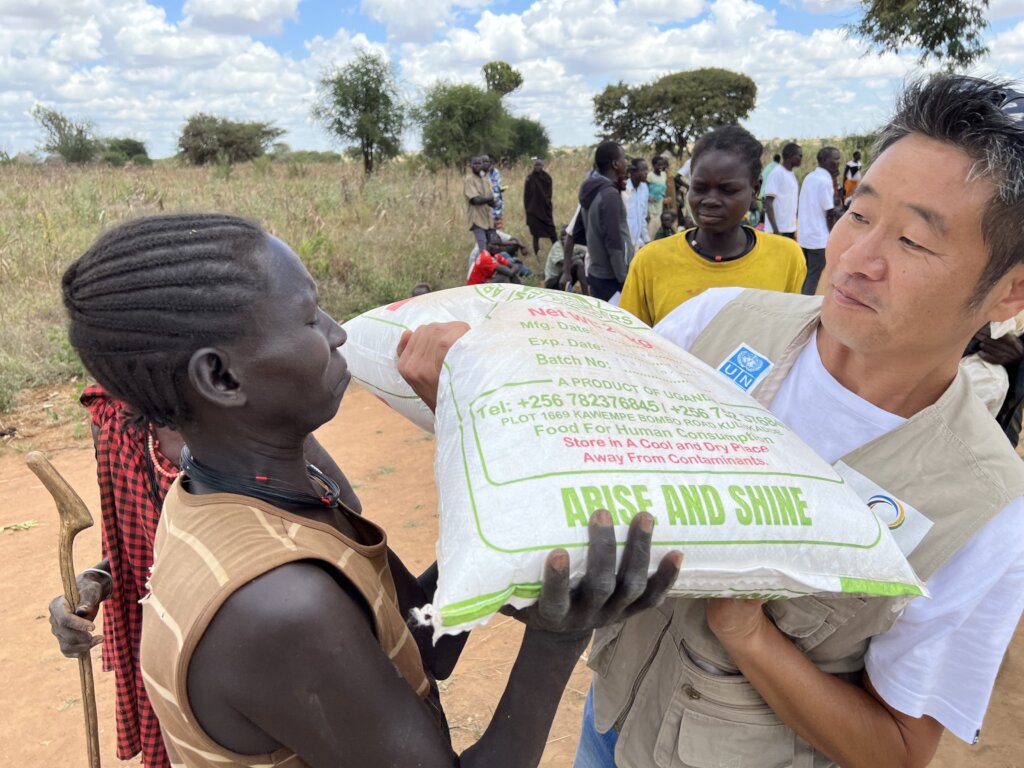
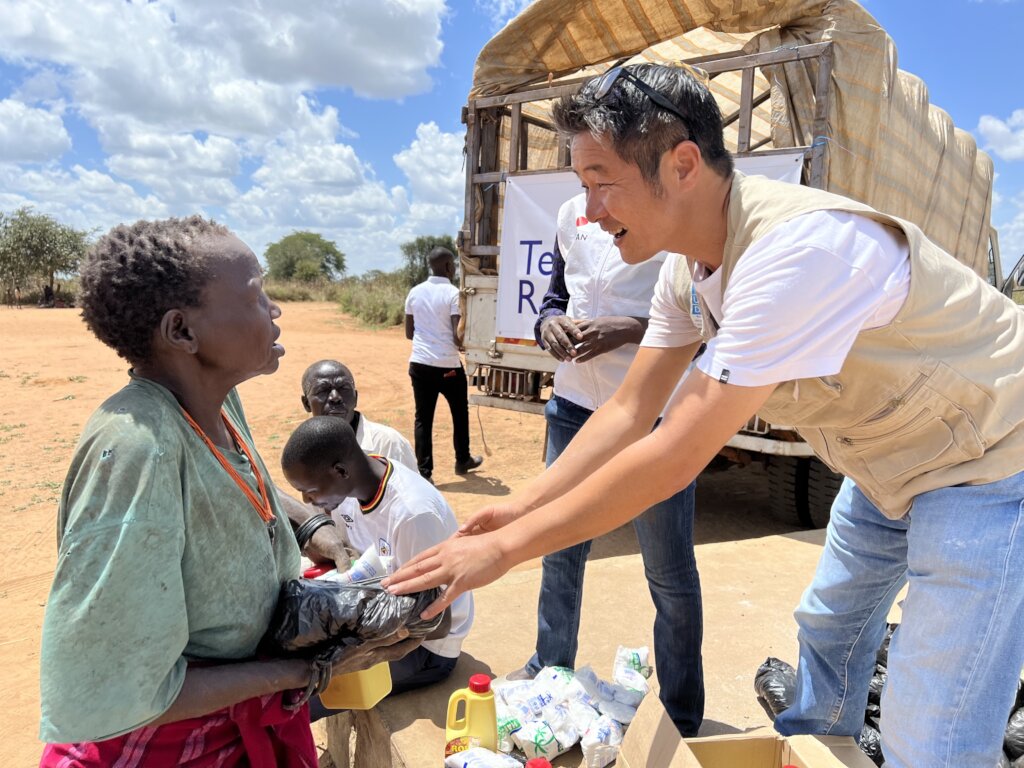
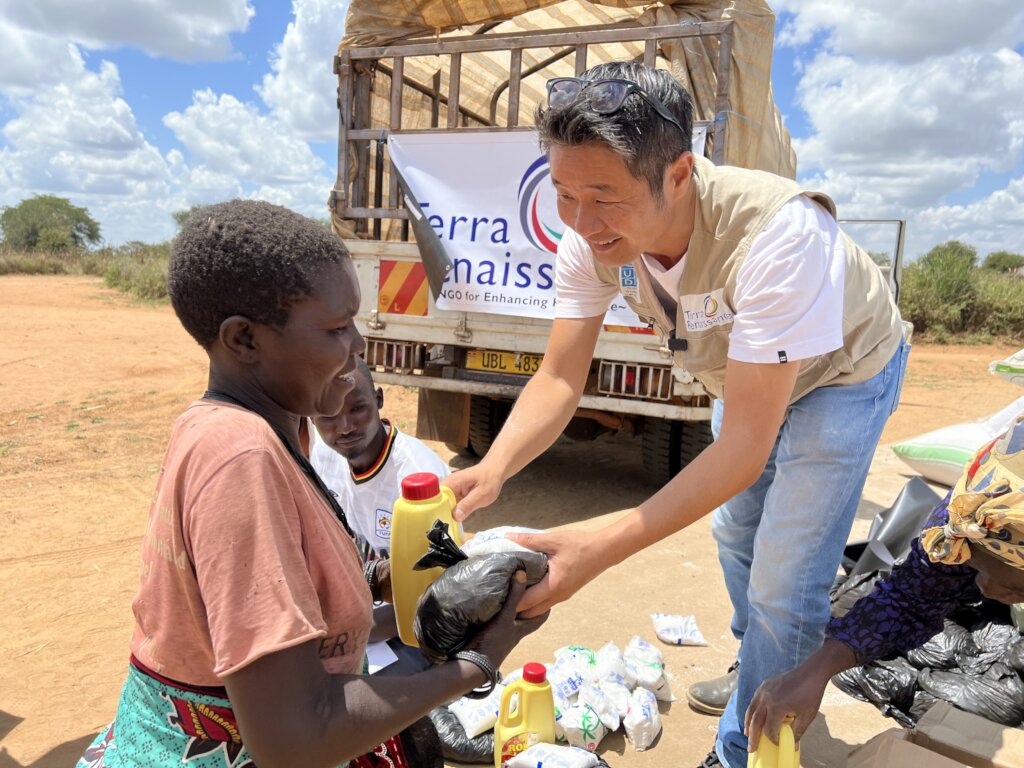
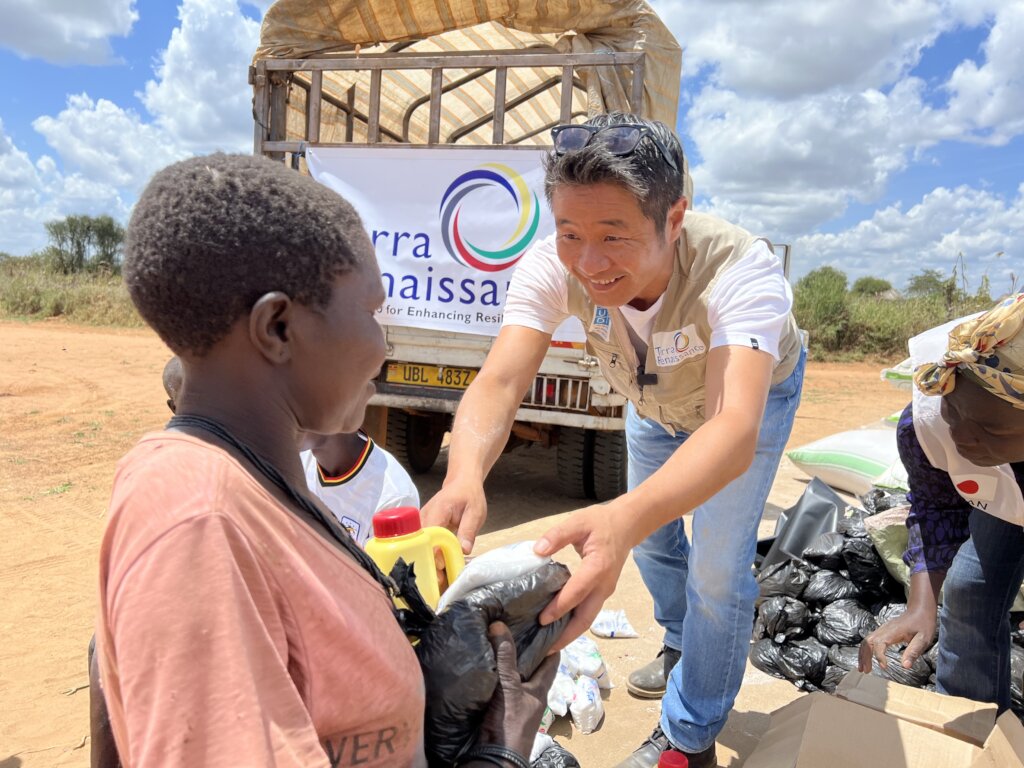
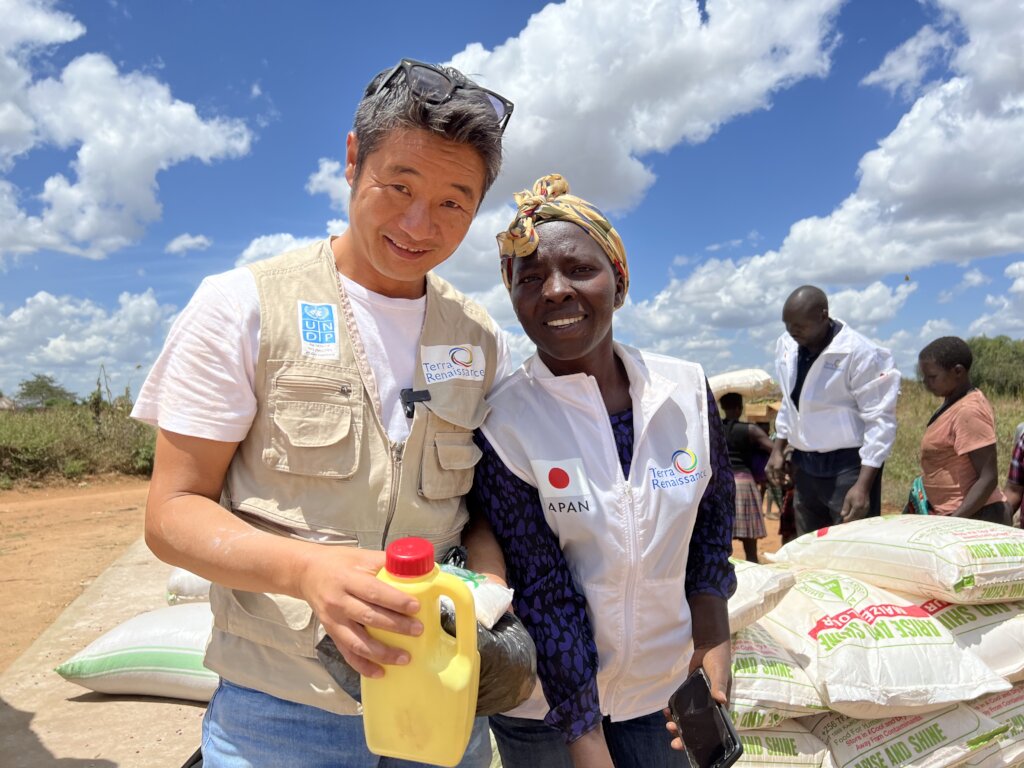
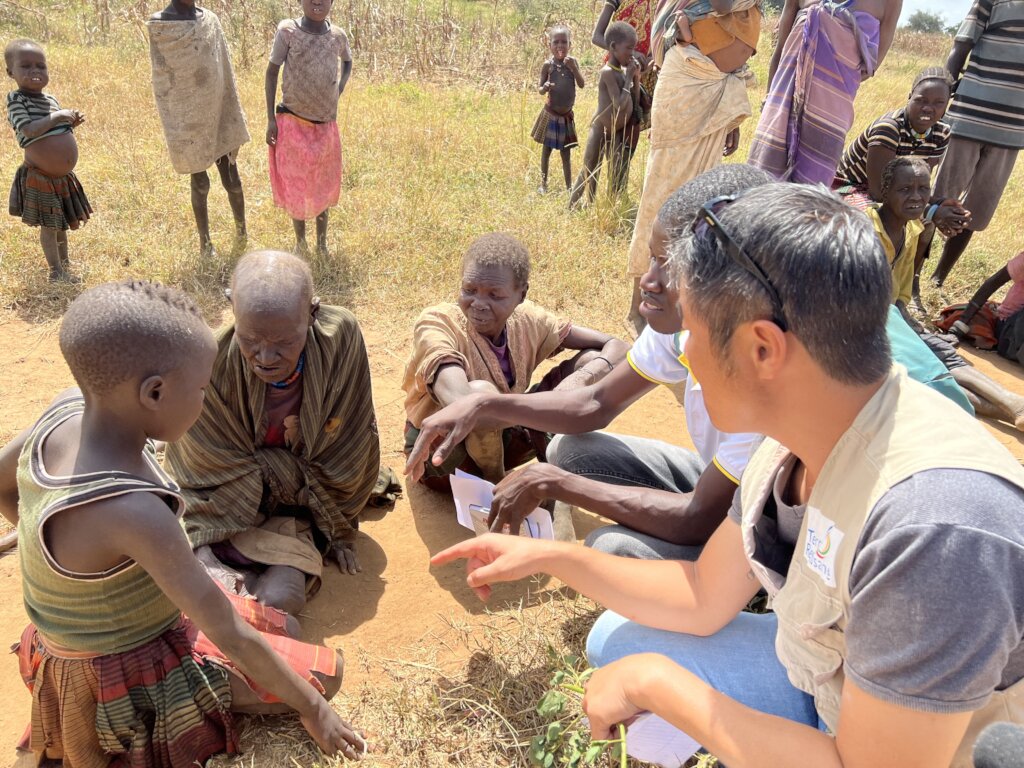
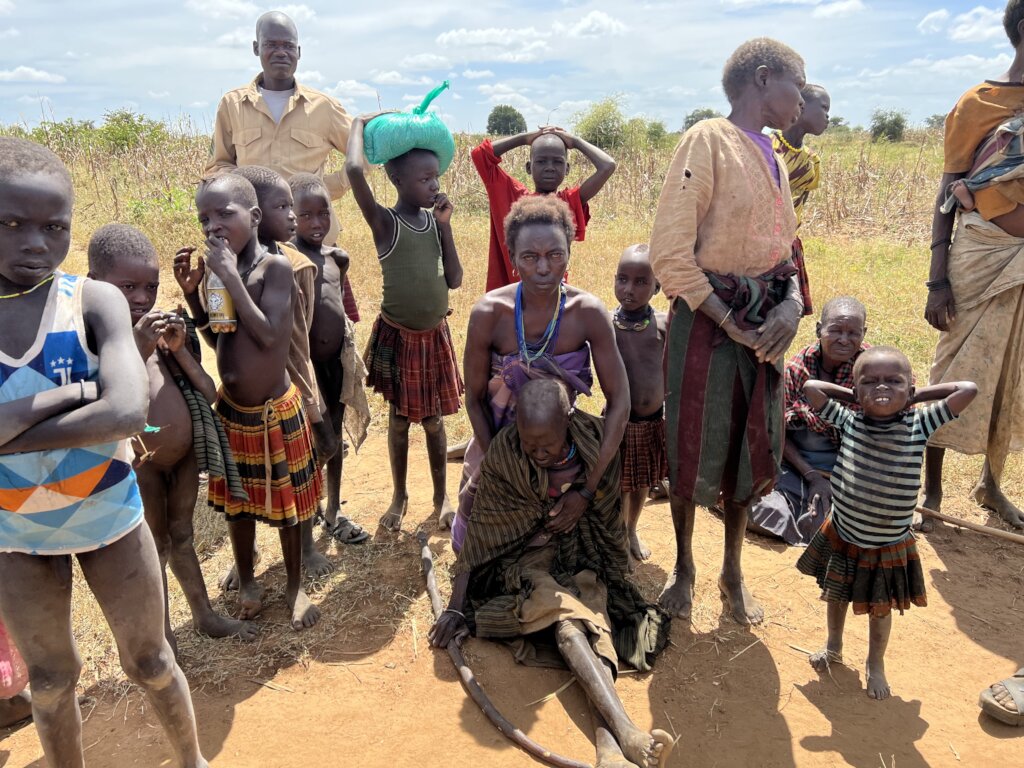
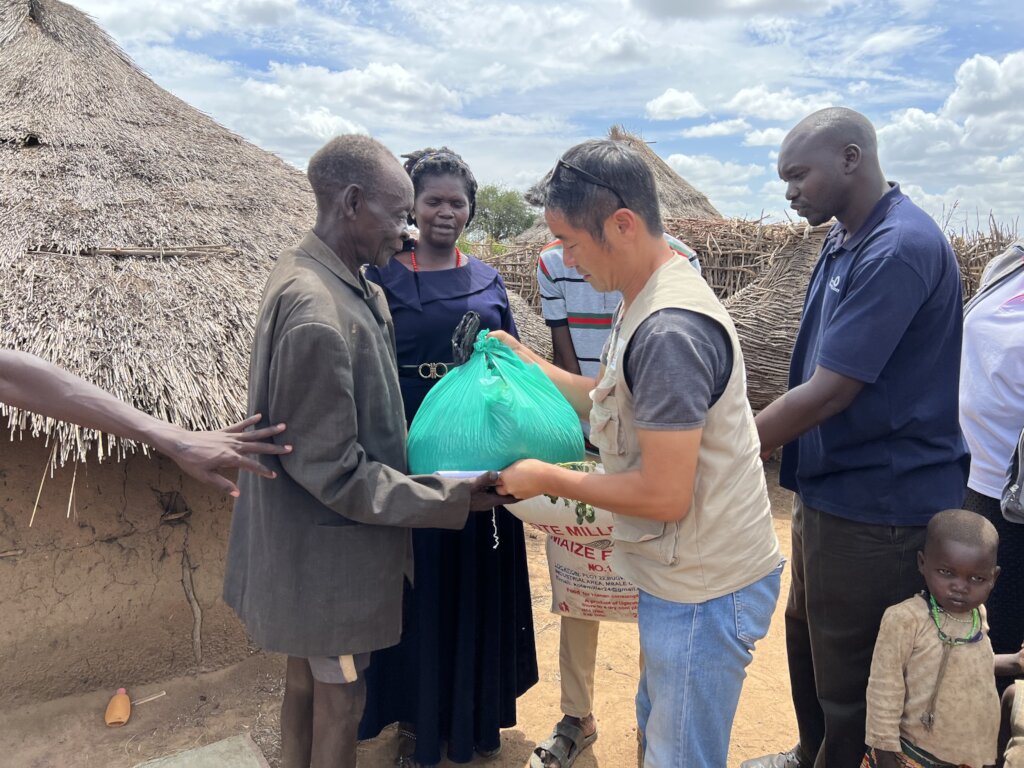
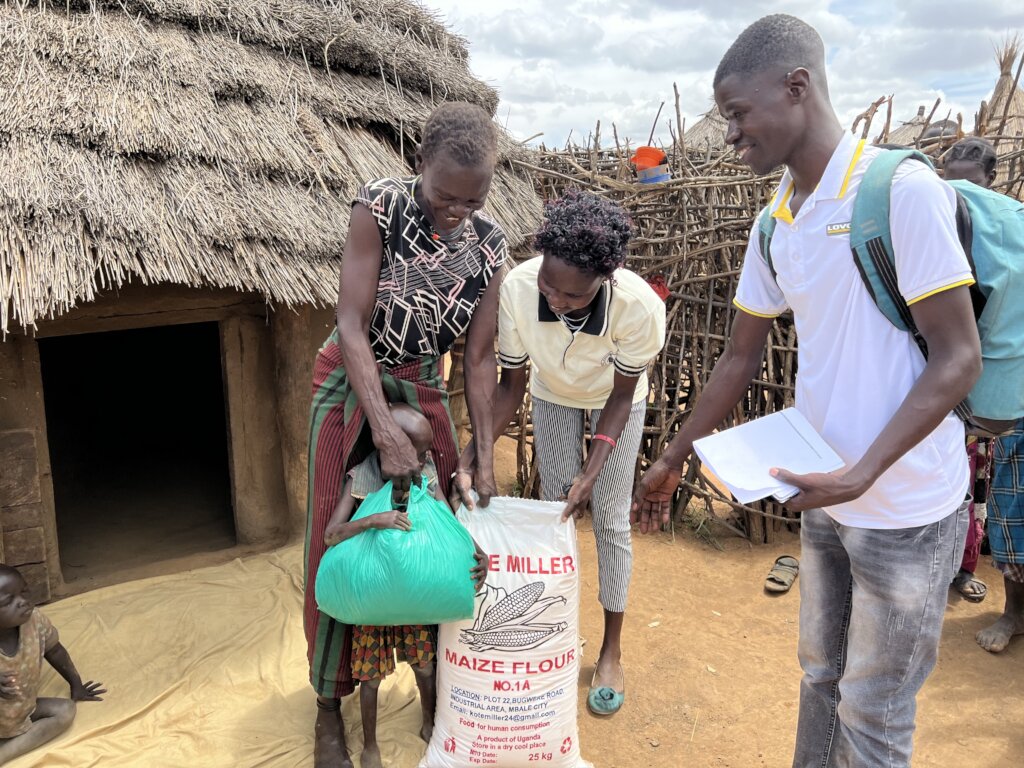
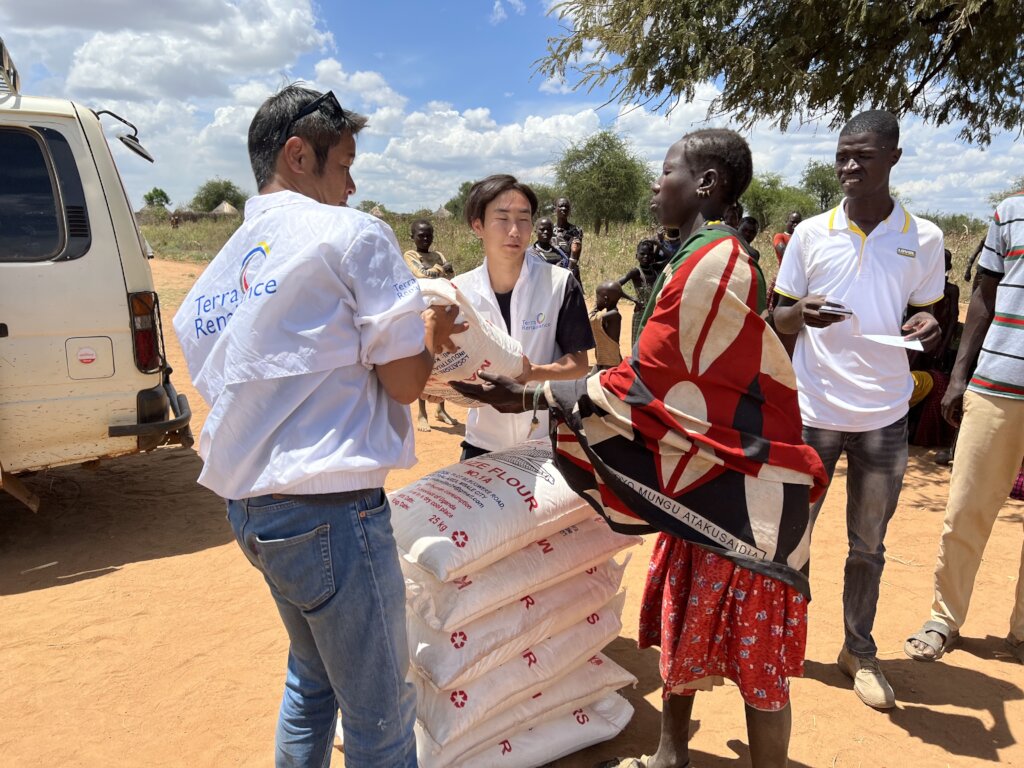
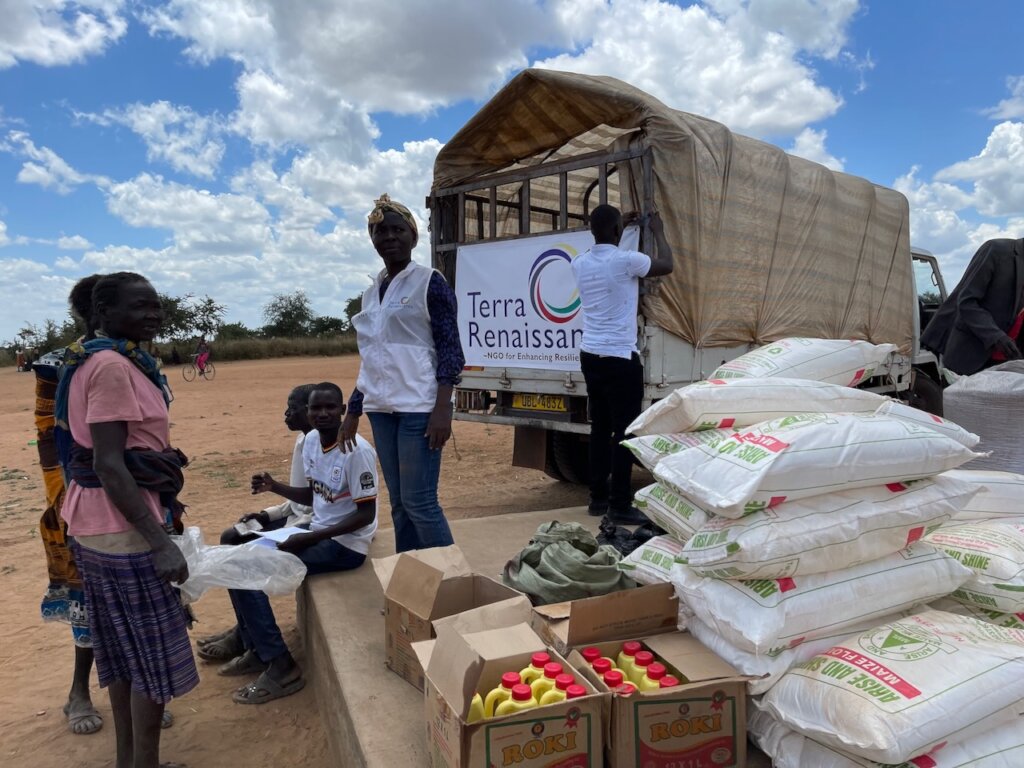
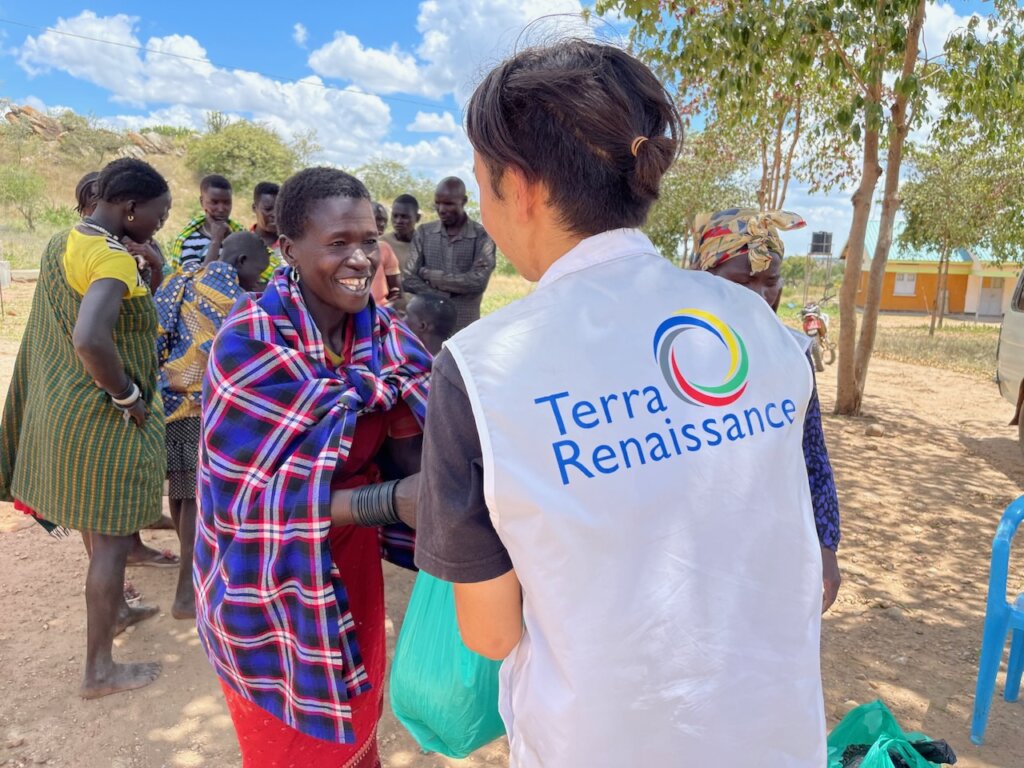
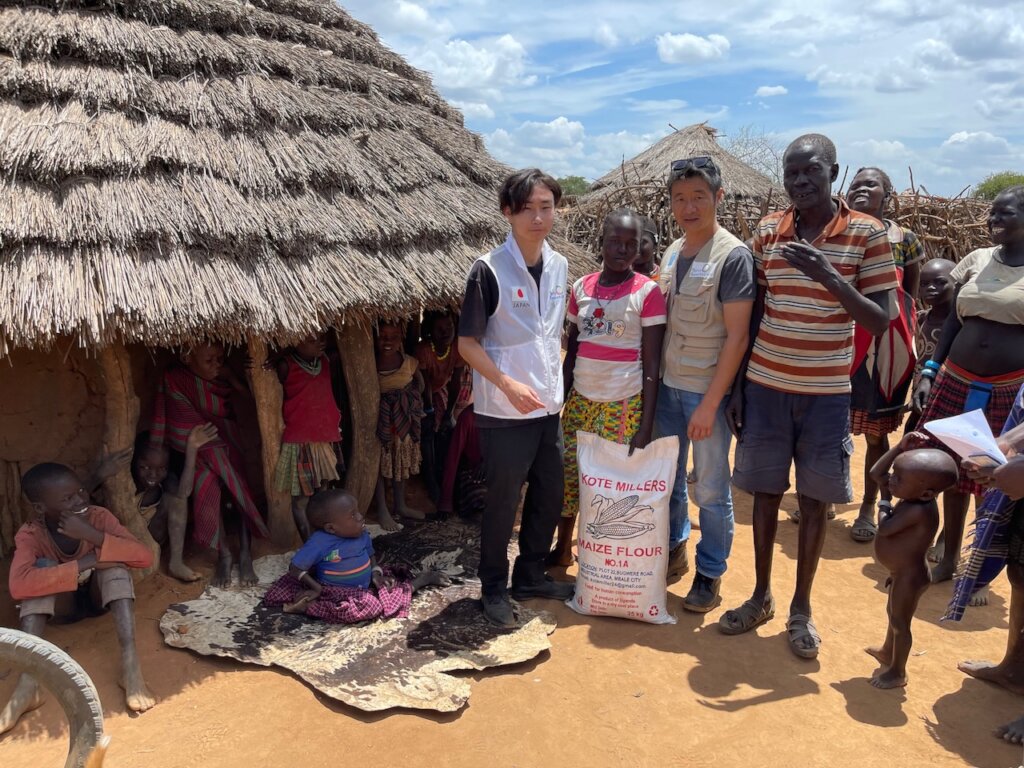
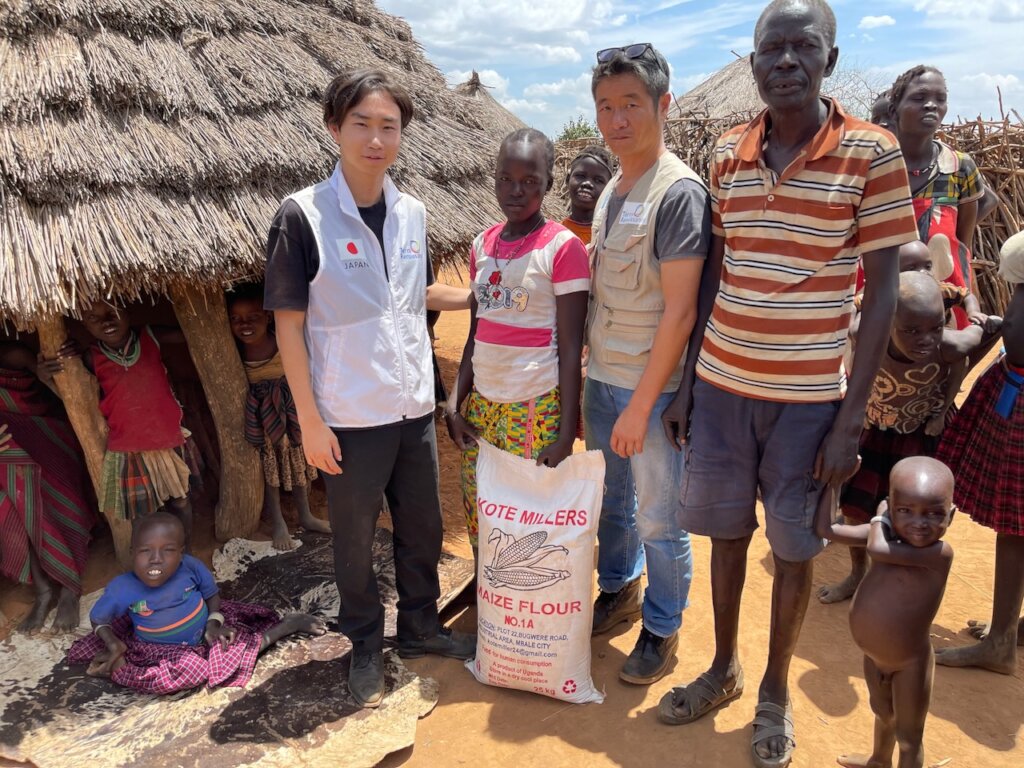
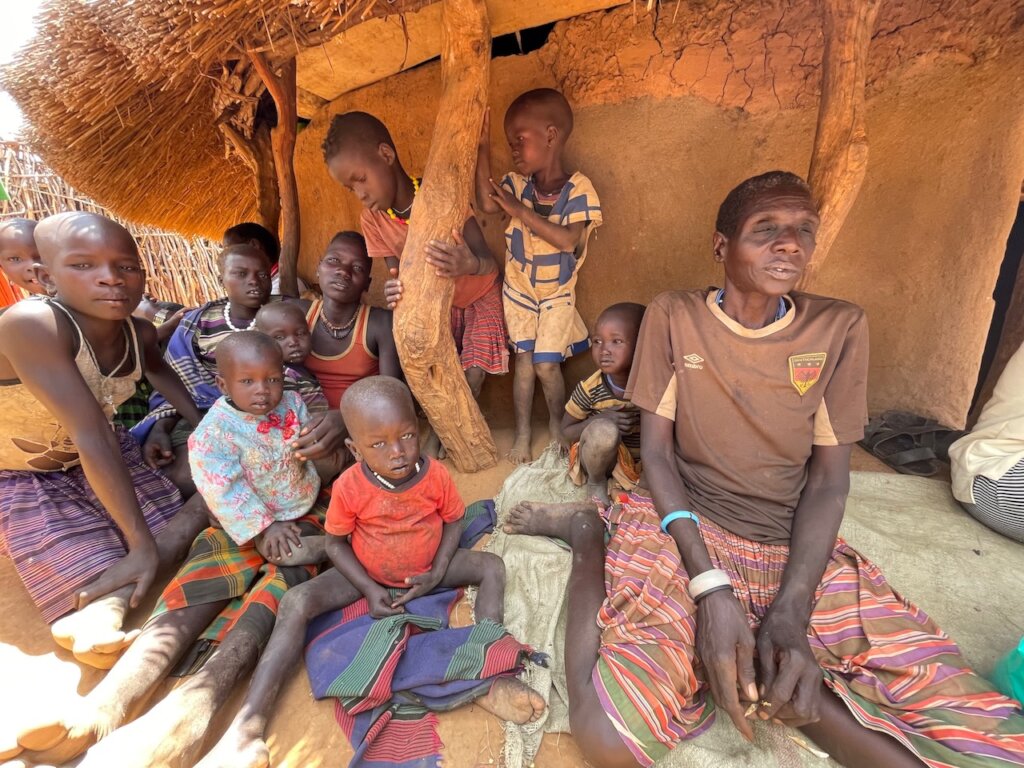
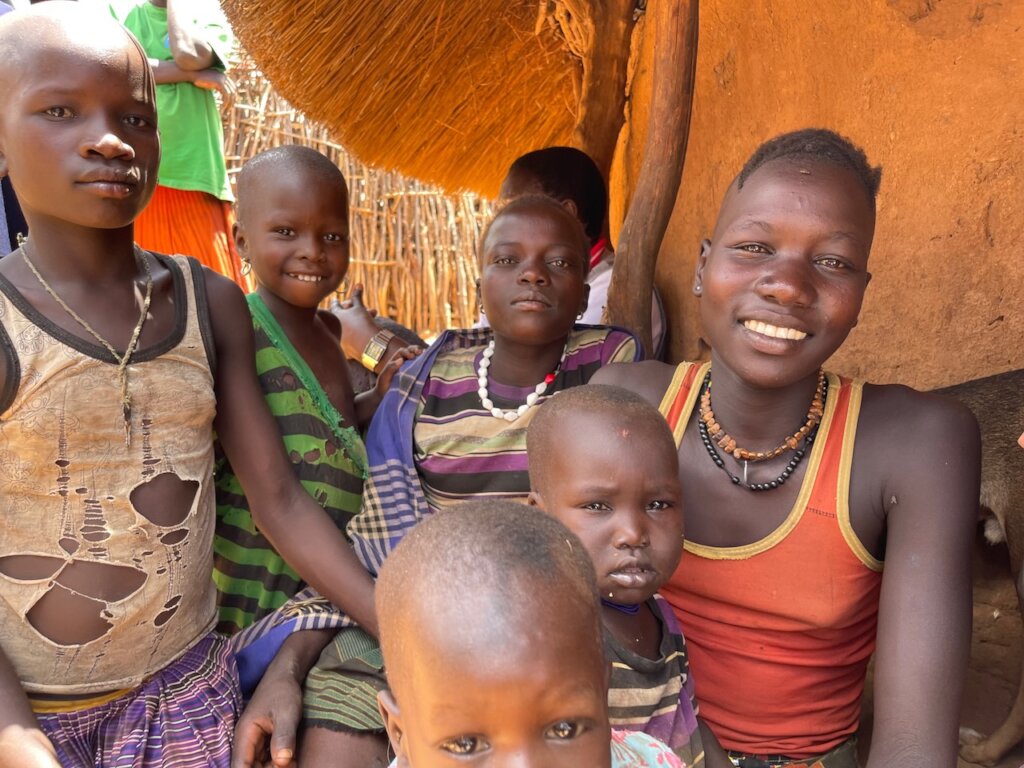
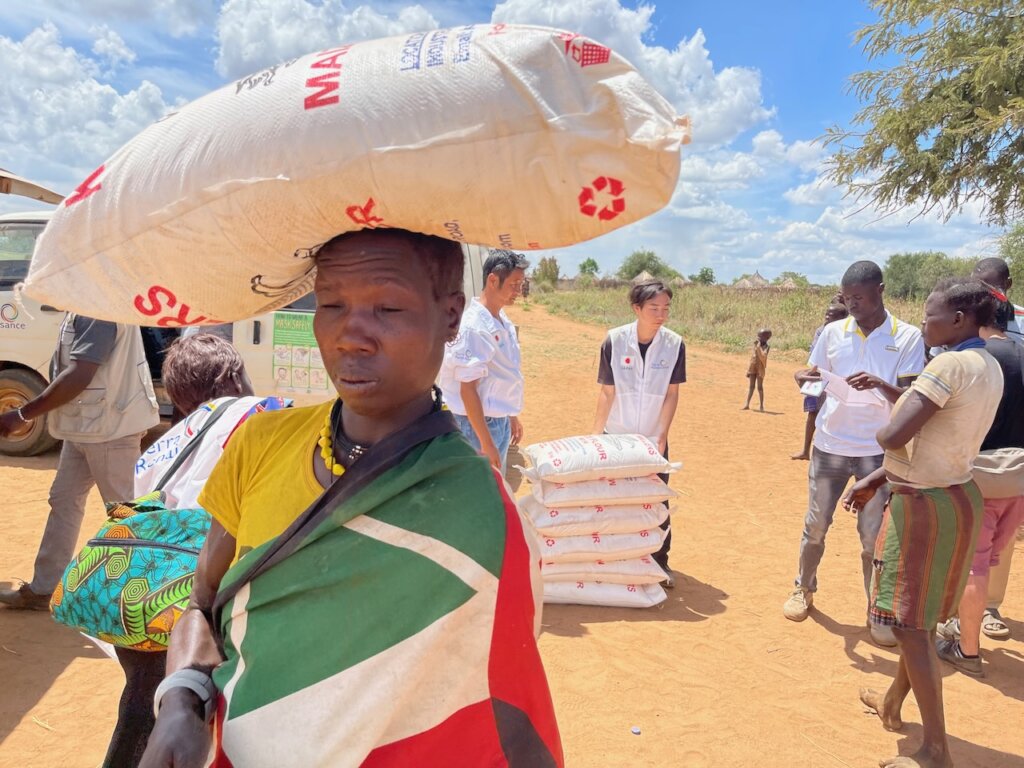
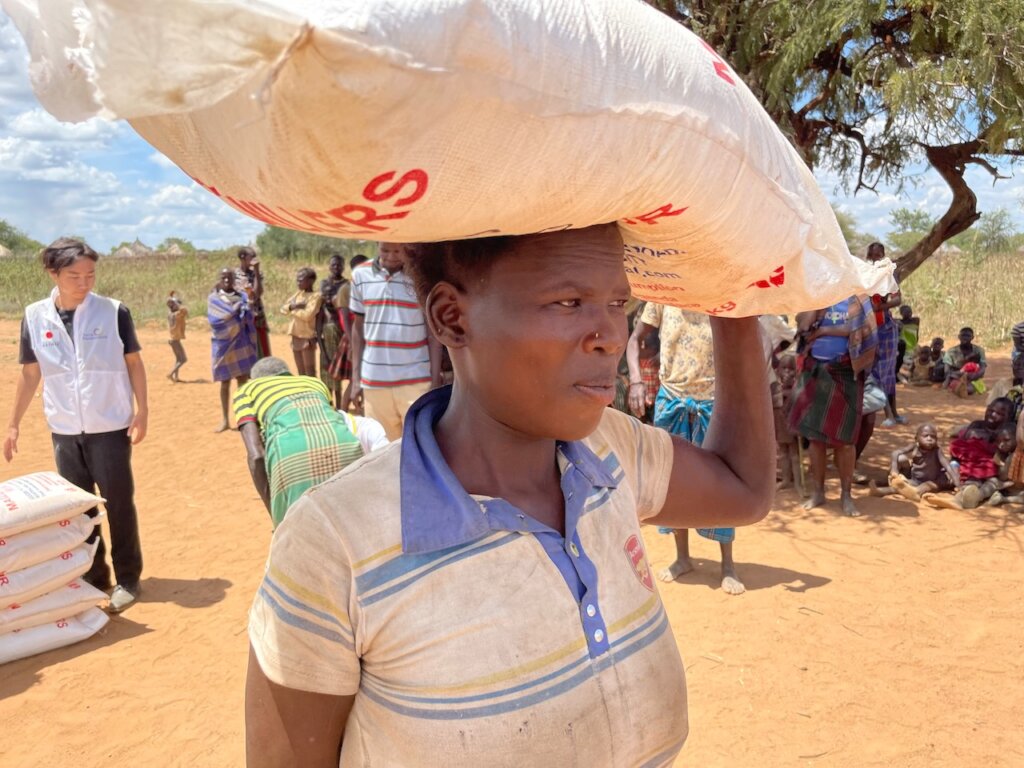
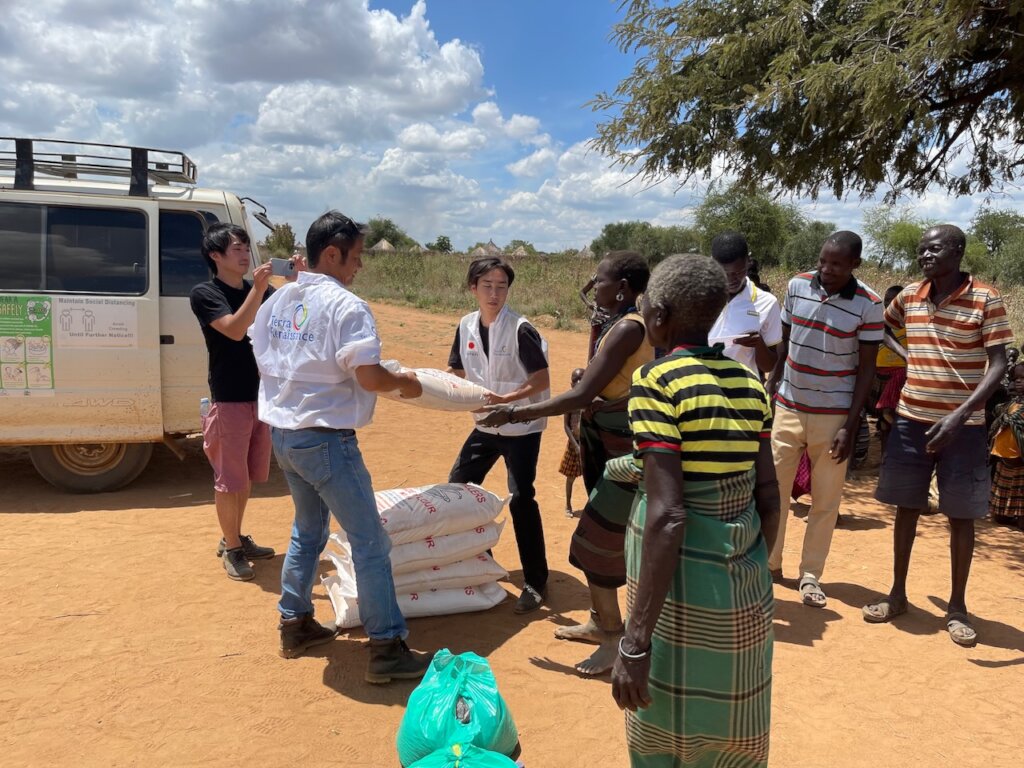
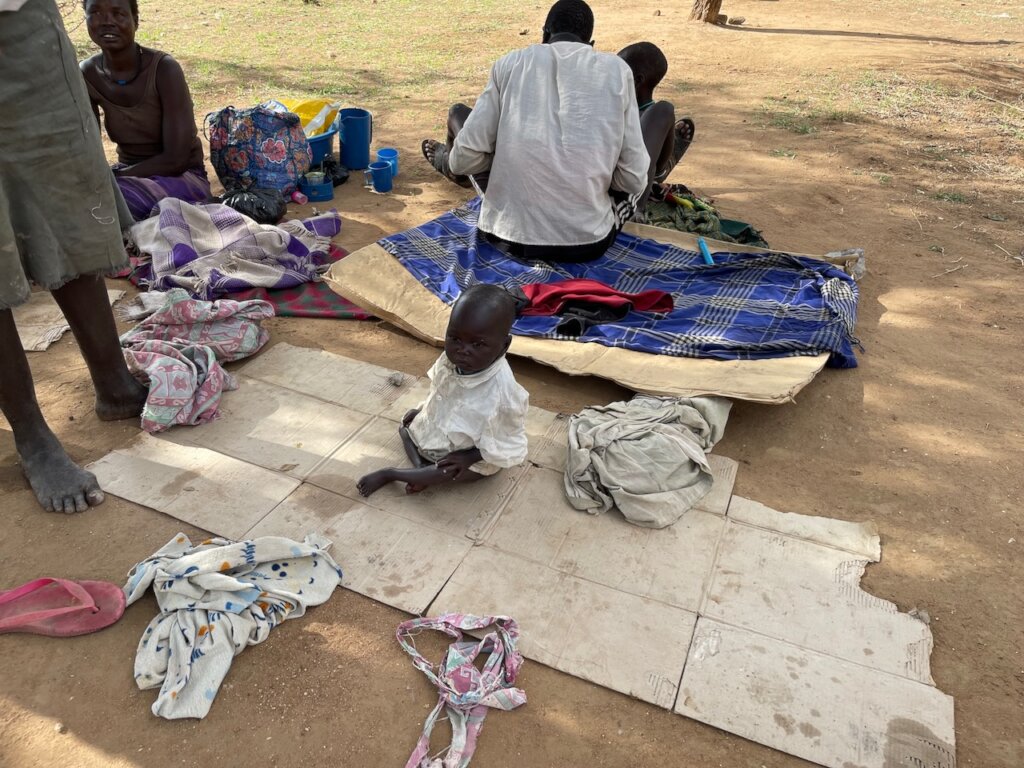
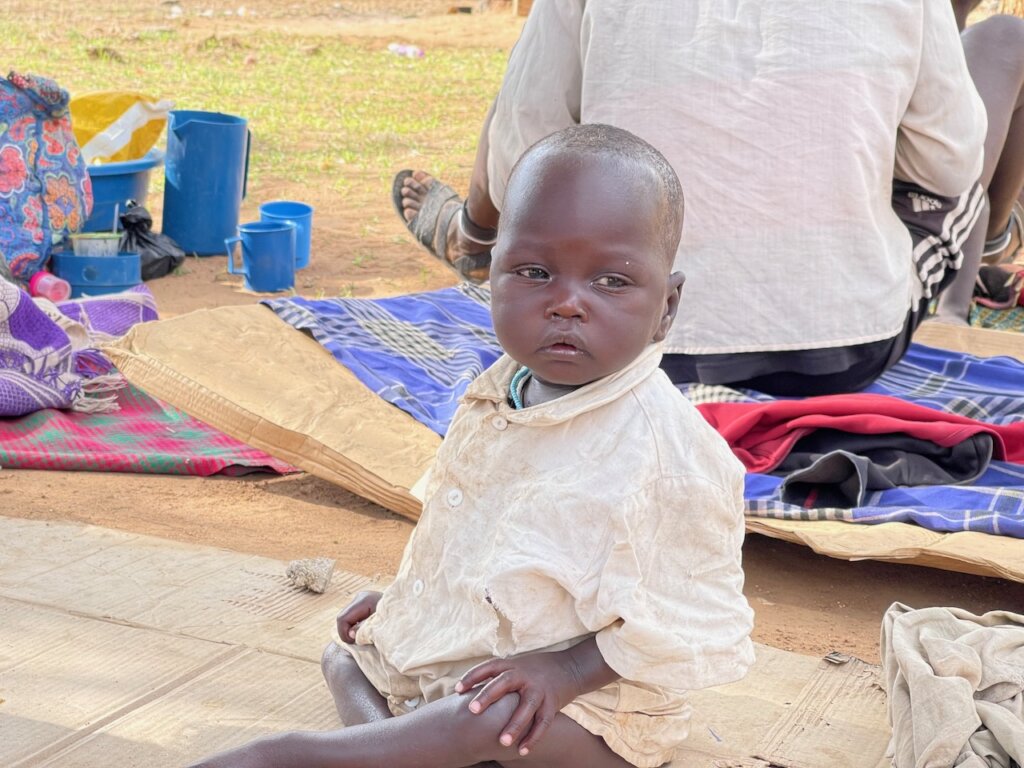
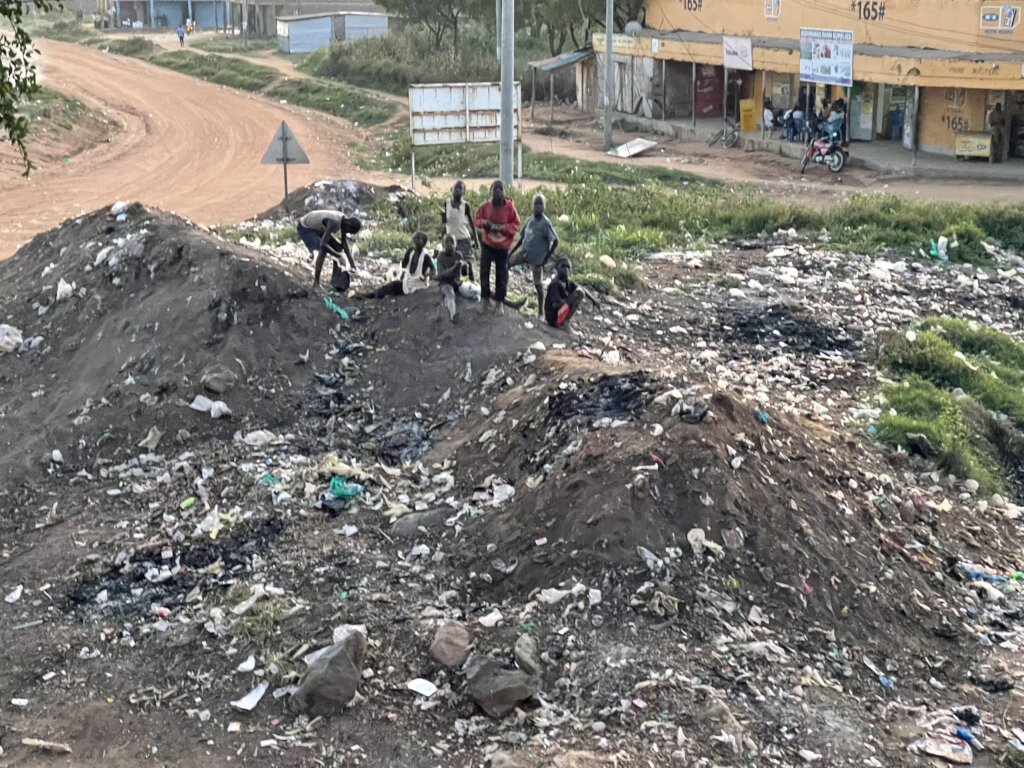
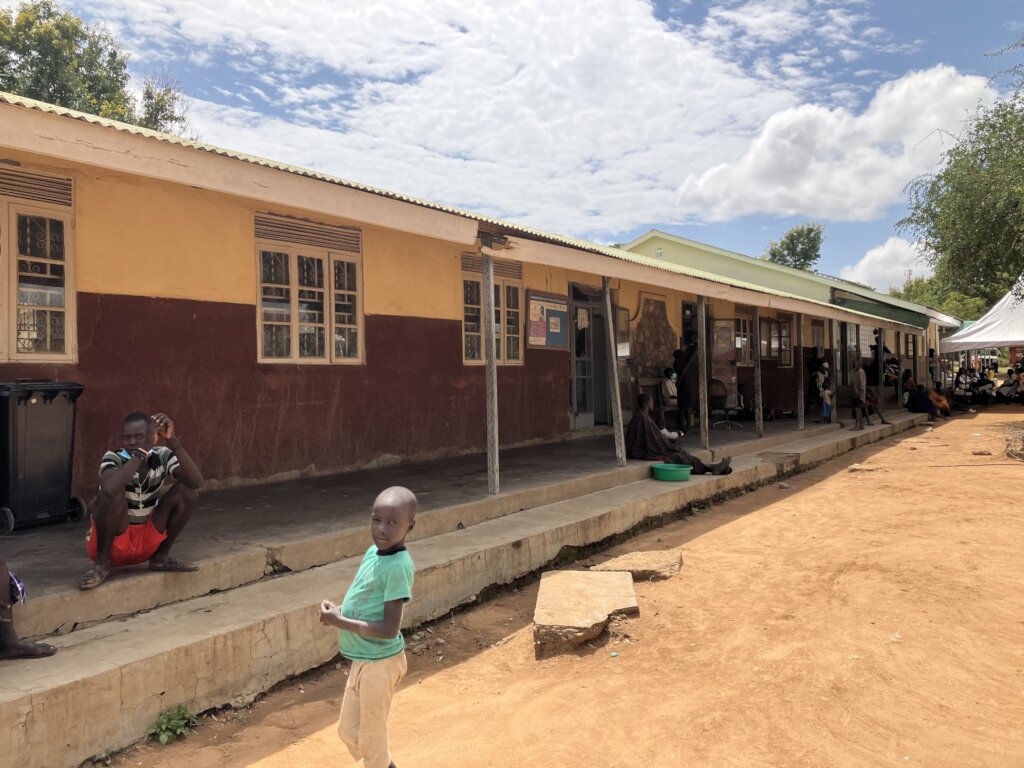
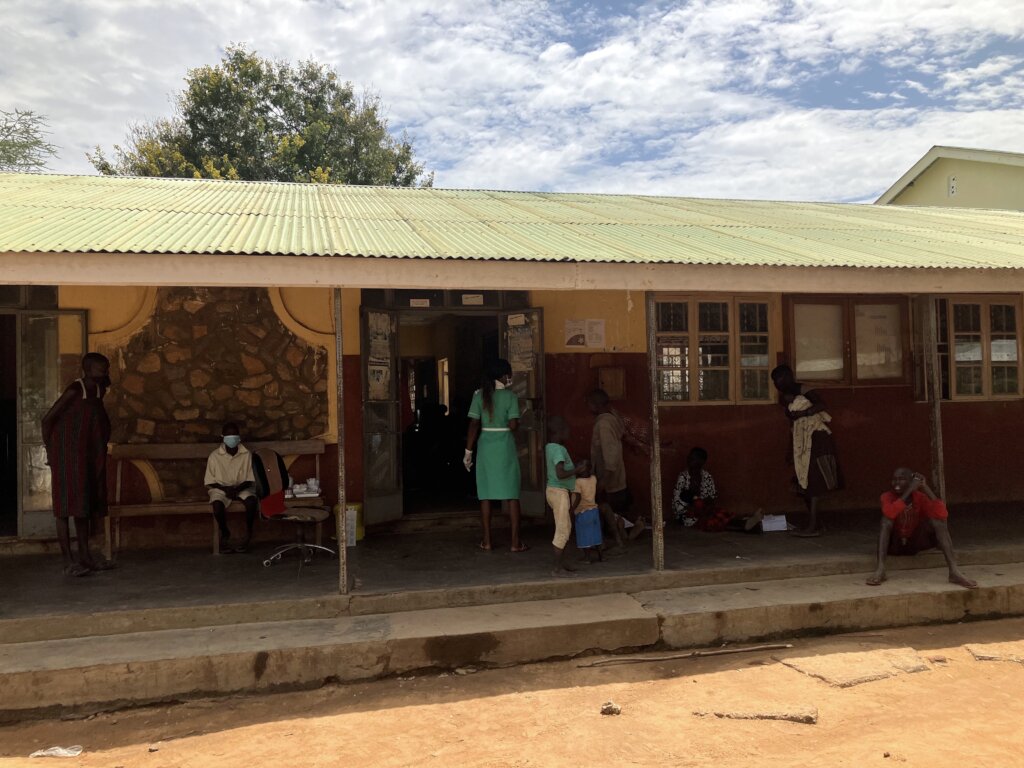
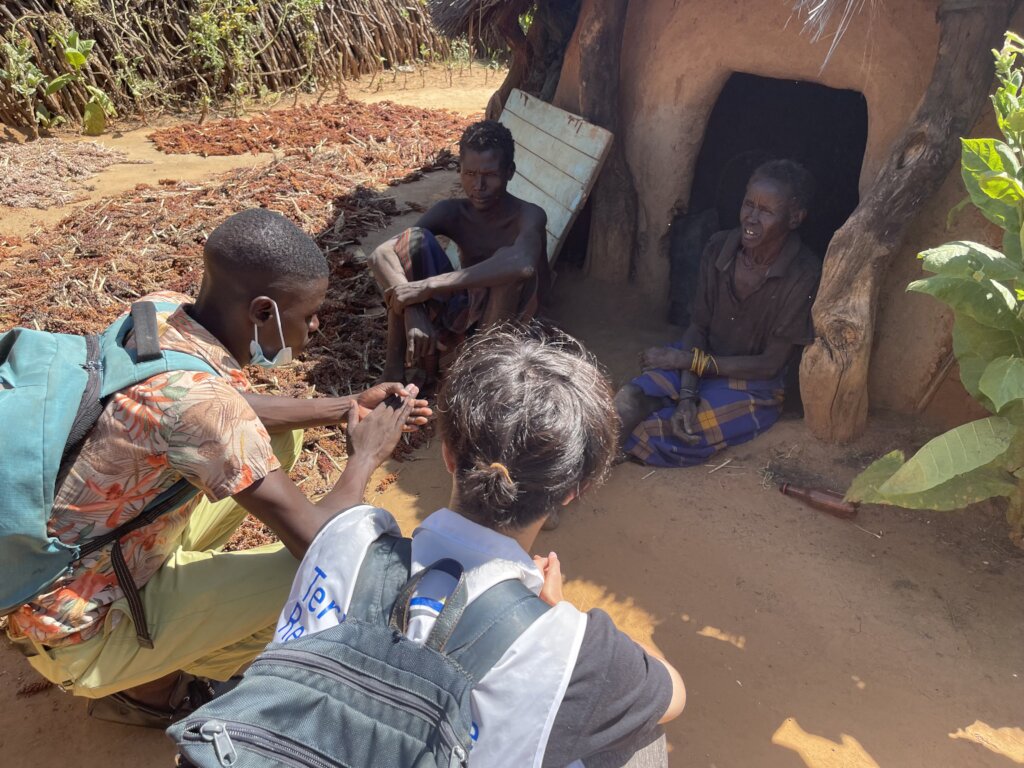
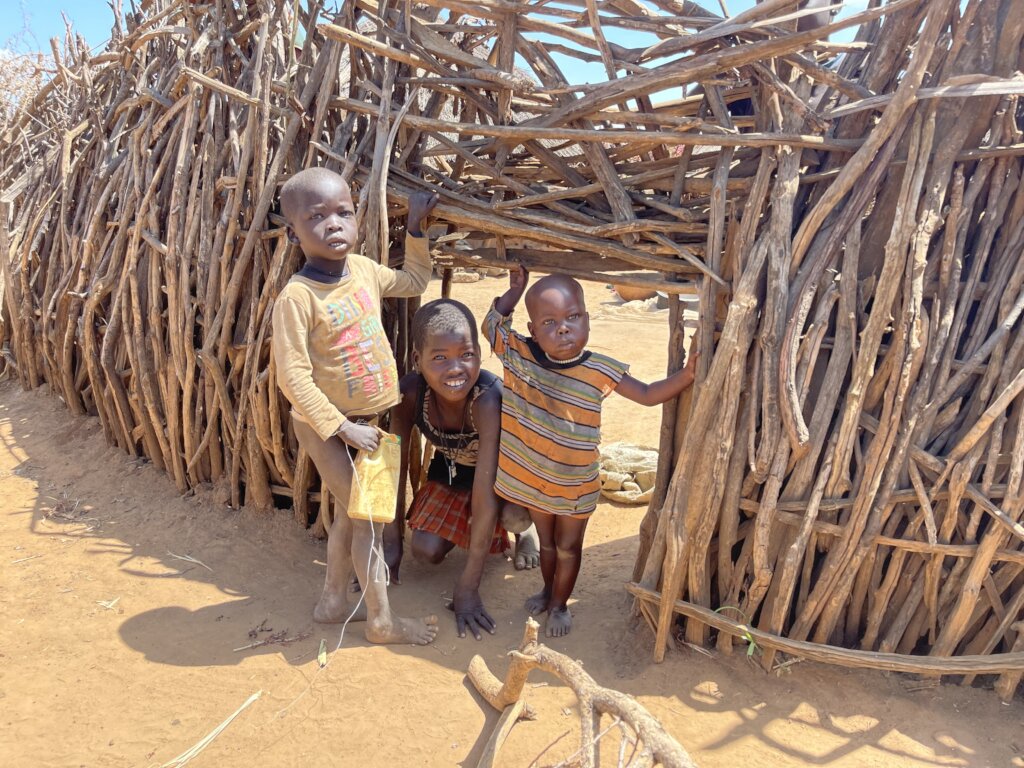
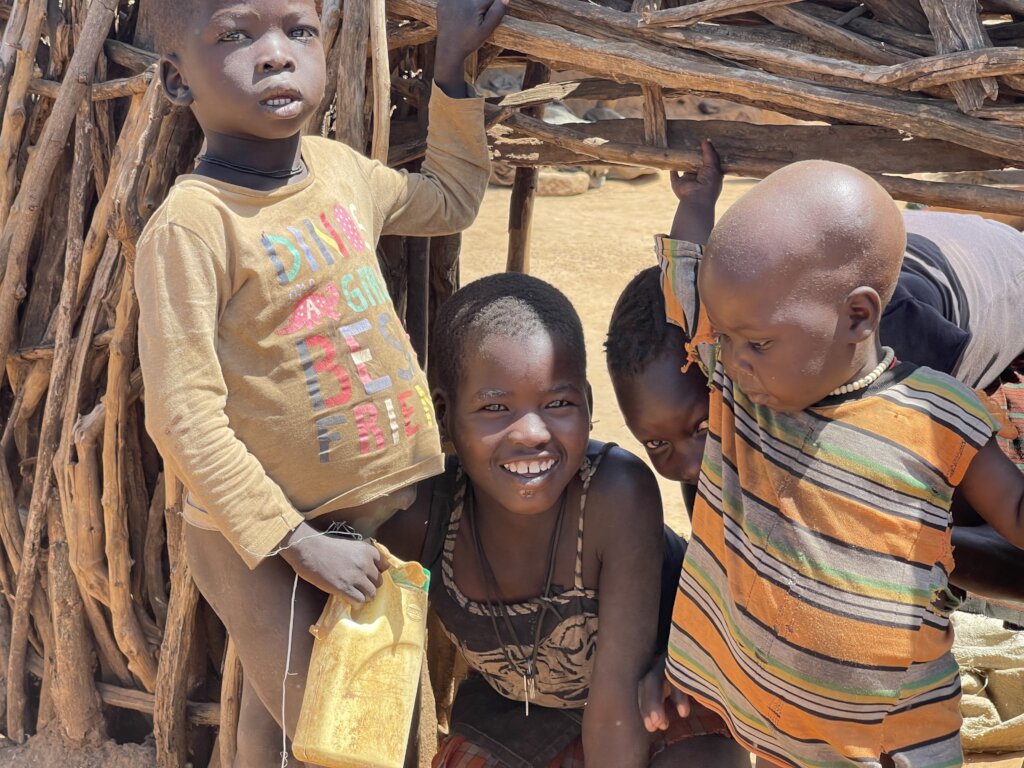
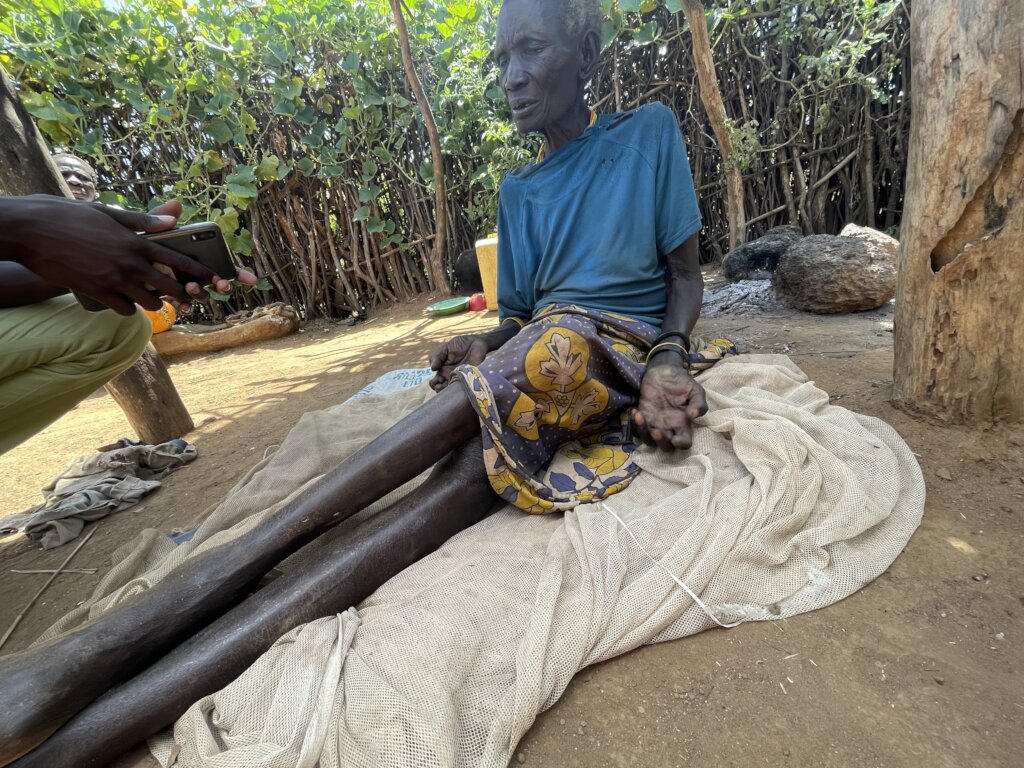
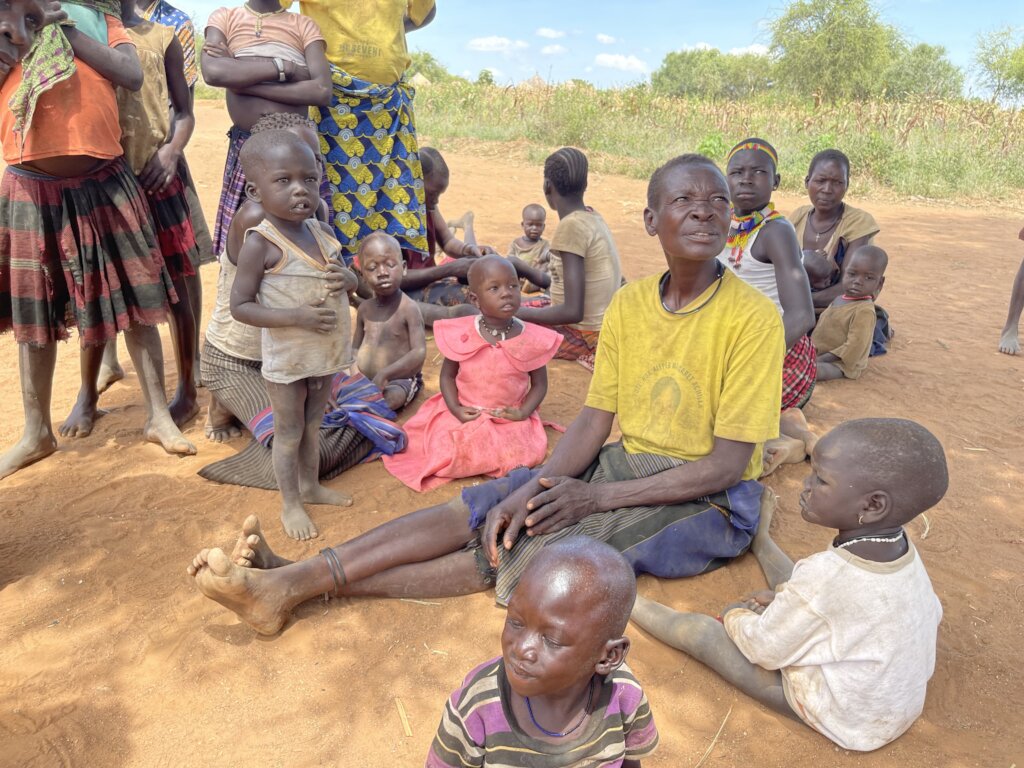
As of January 2026, safety in the region has improved dramatically, and the devastating famine conditions of previous years have subsided. Yet, serious challenges remain. In Kotido District, where we work, malnutrition and liver disease continue to be the most common health concerns. During the long dry season, the rains stop, and crops can no longer grow. Many families, therefore, are left with too little food, and maintaining a healthy, balanced diet becomes a daily challenge. Malaria and typhoid fever are also widespread in this district.
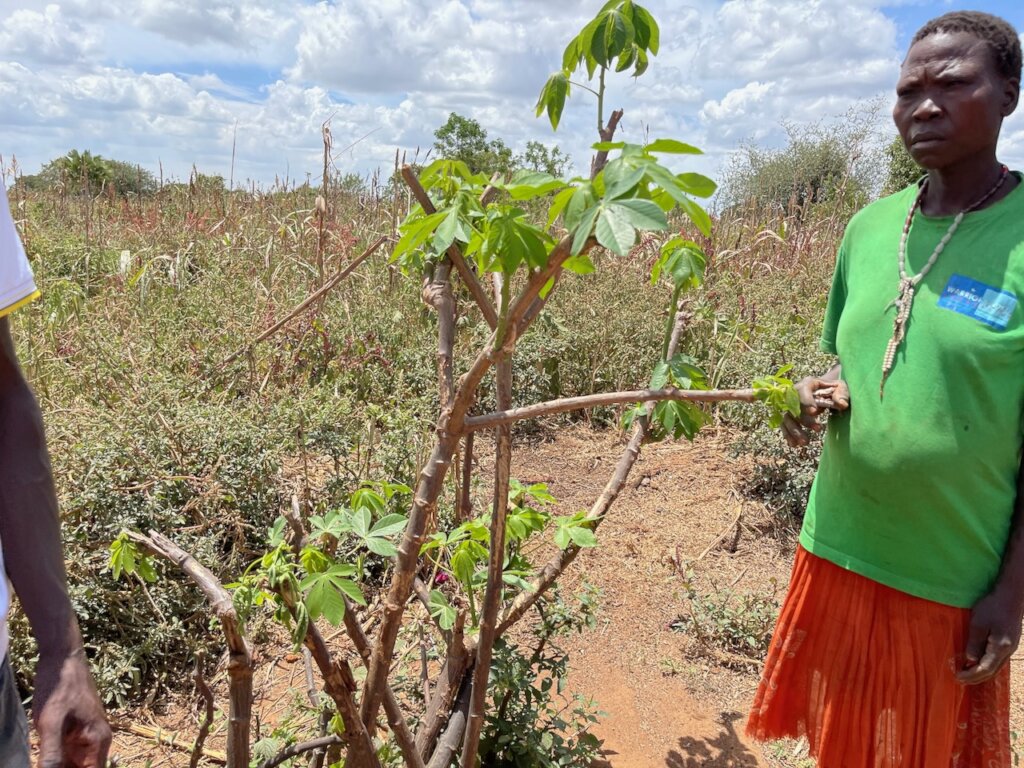
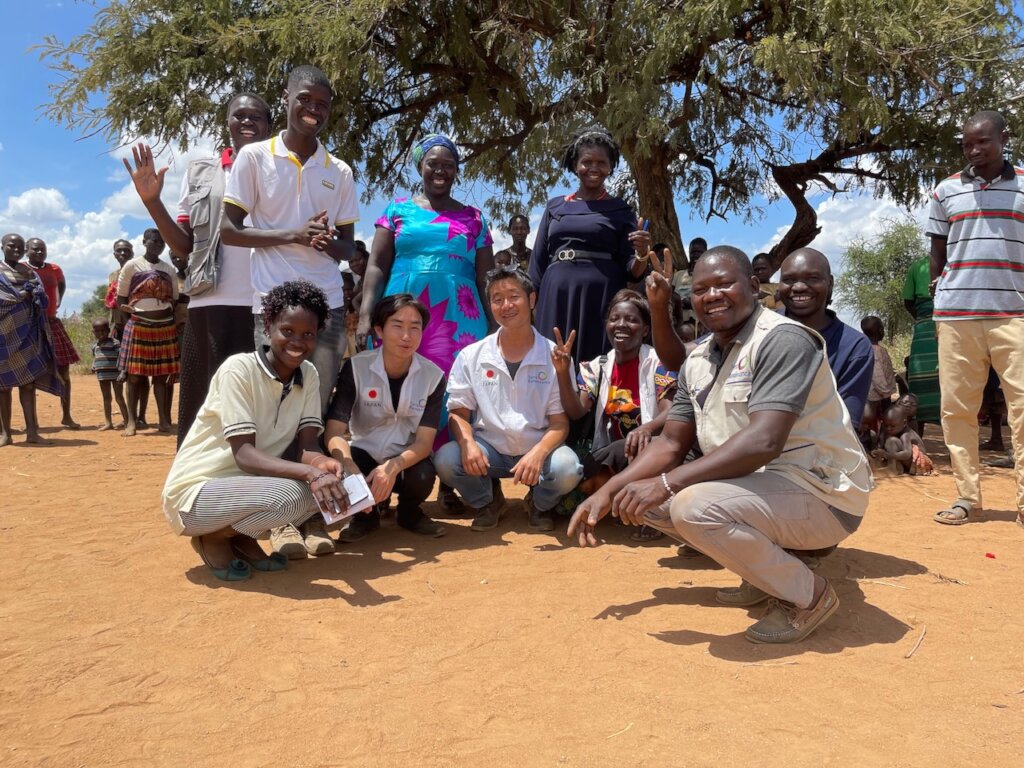
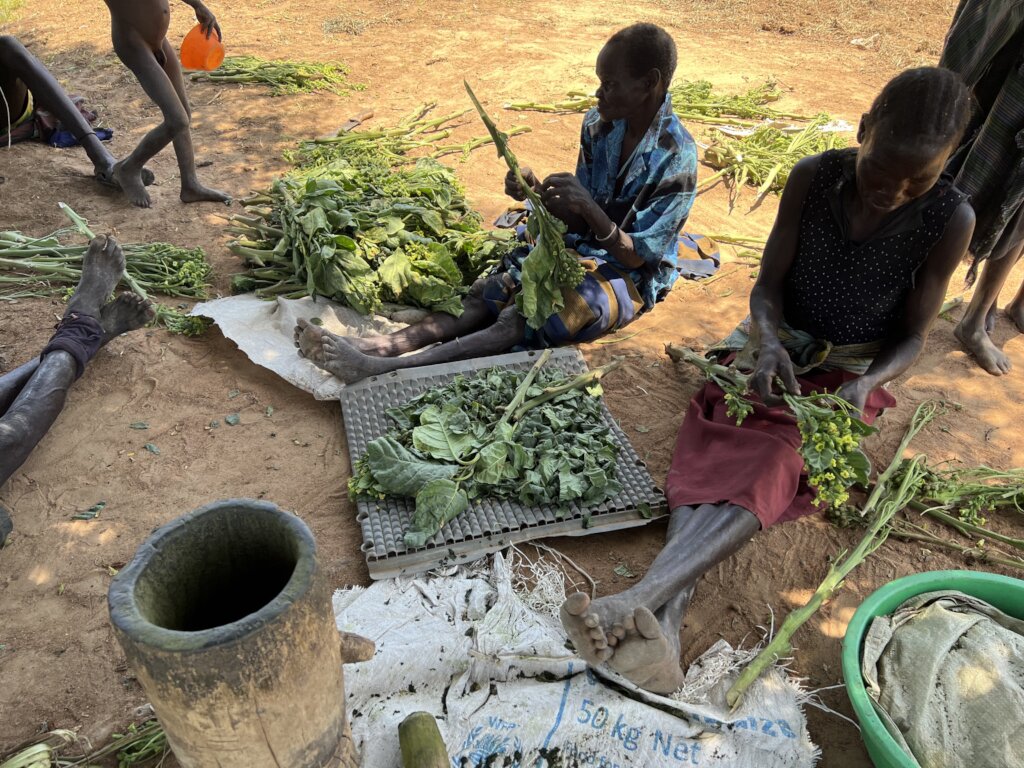
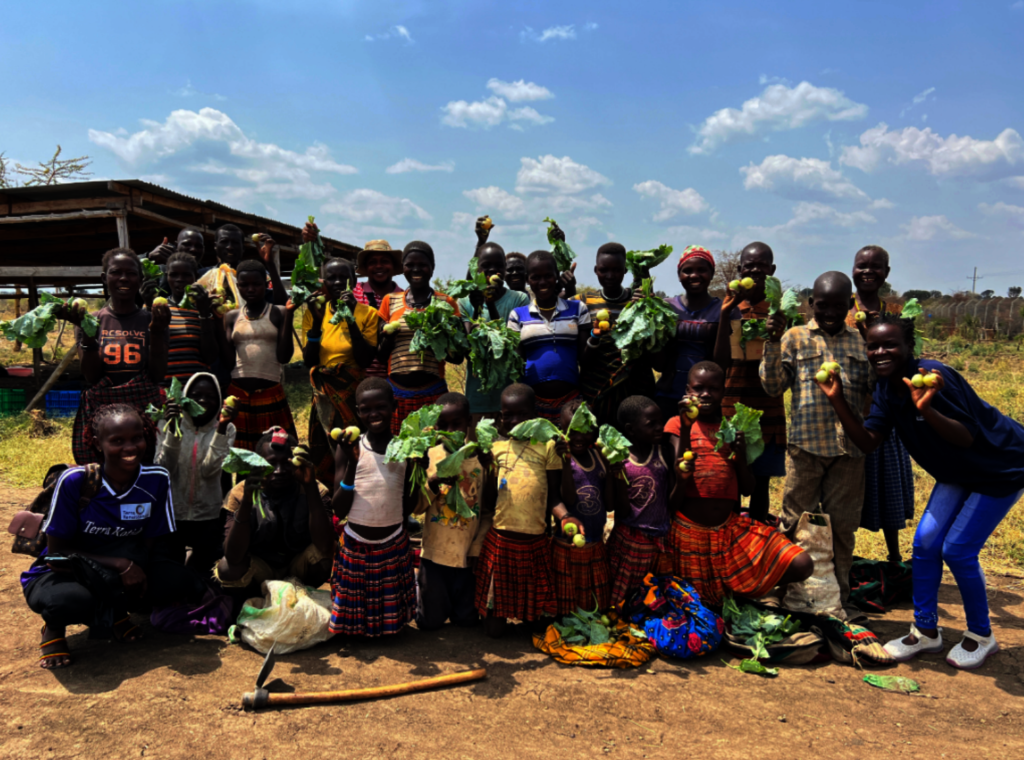
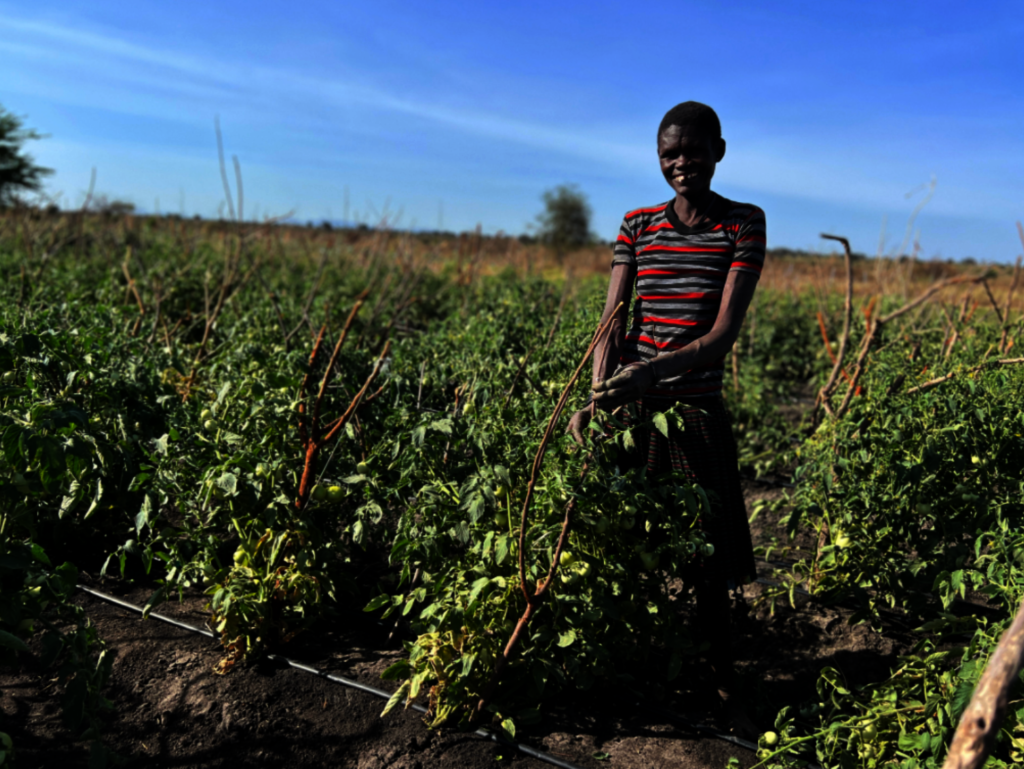
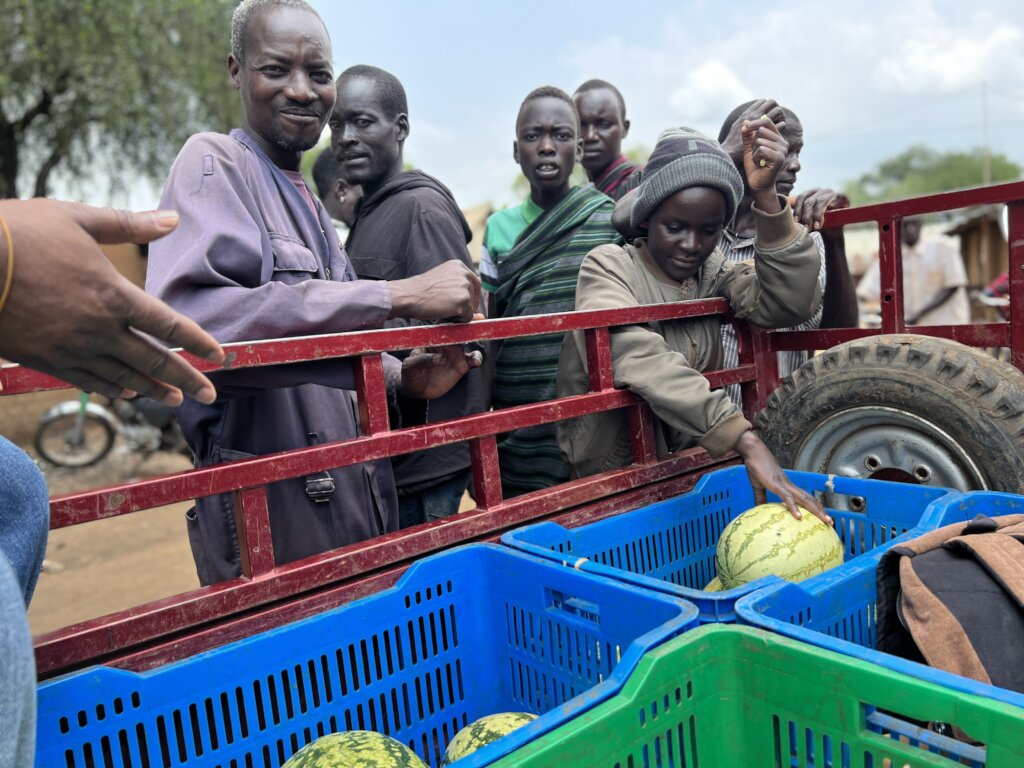
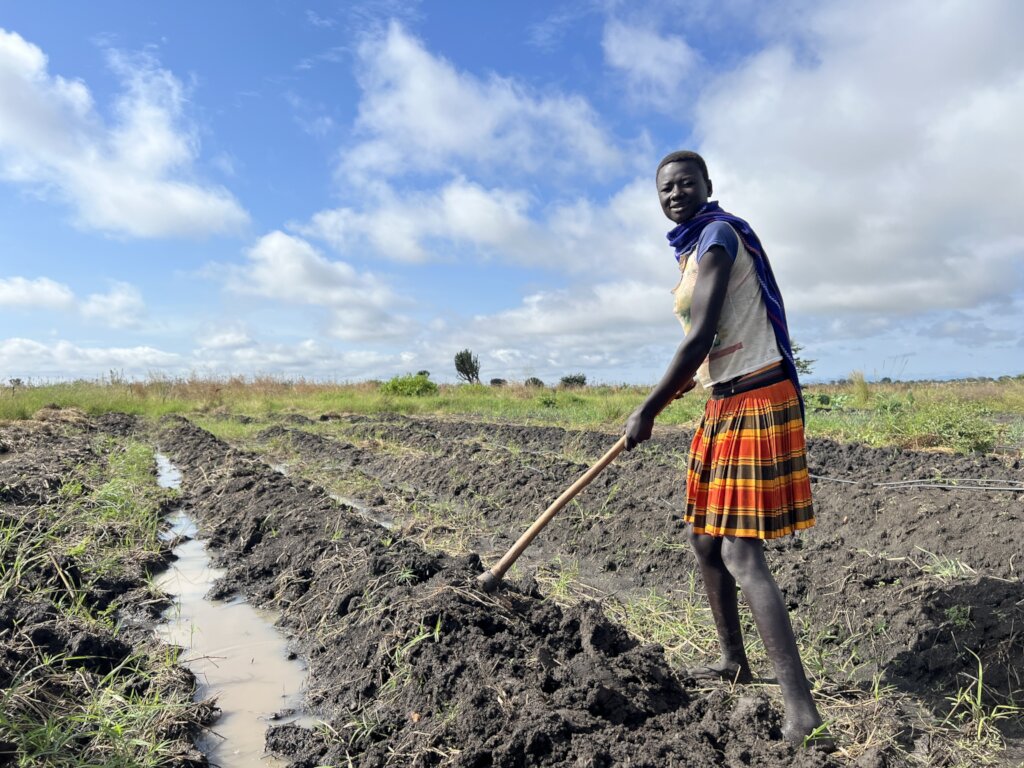
While much of the surrounding landscape turns brown and dry, our fields remain green. These are the fields cultivated by the participants in our program. They grow vegetables such as sukuma wiki (collard greens), spinach, eggplants, and tomatoes. Harvests that meet market standards will be sold to generate income, while vegetables that cannot be sold — often due to insect damage — become valuable nutrition for the families themselves.
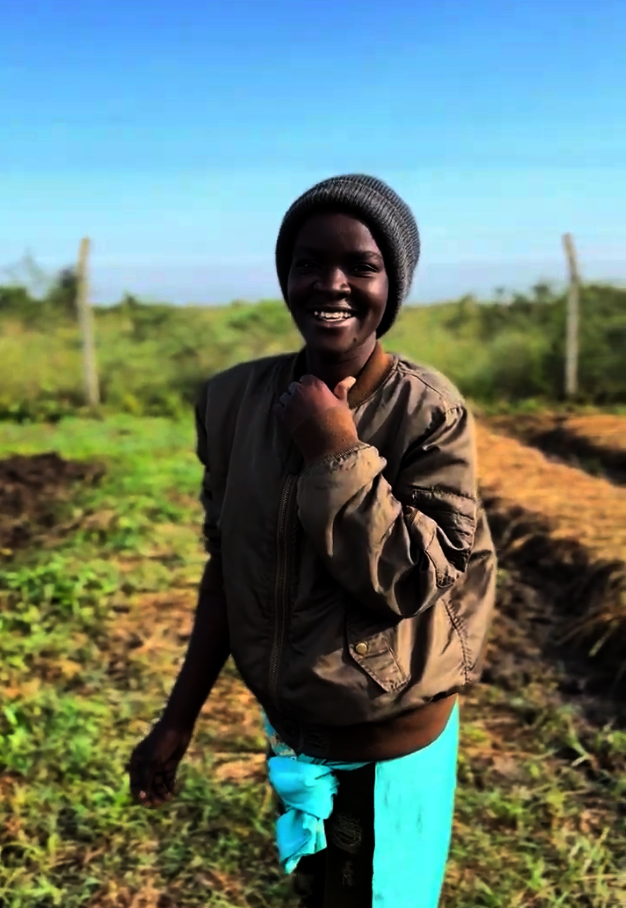
Paulina, one of the group leaders, shared how the project has changed her life:
“Before joining the program, I had never eaten leafy vegetables and didn’t even know how to cook them. Through training with Terra Renaissance, I learned about vegetables and the importance of a balanced diet. Now, I try to have well-balanced meals with my family. I feel that my children get sick less often than before. I believe my kids and I are stronger and healthier now!”
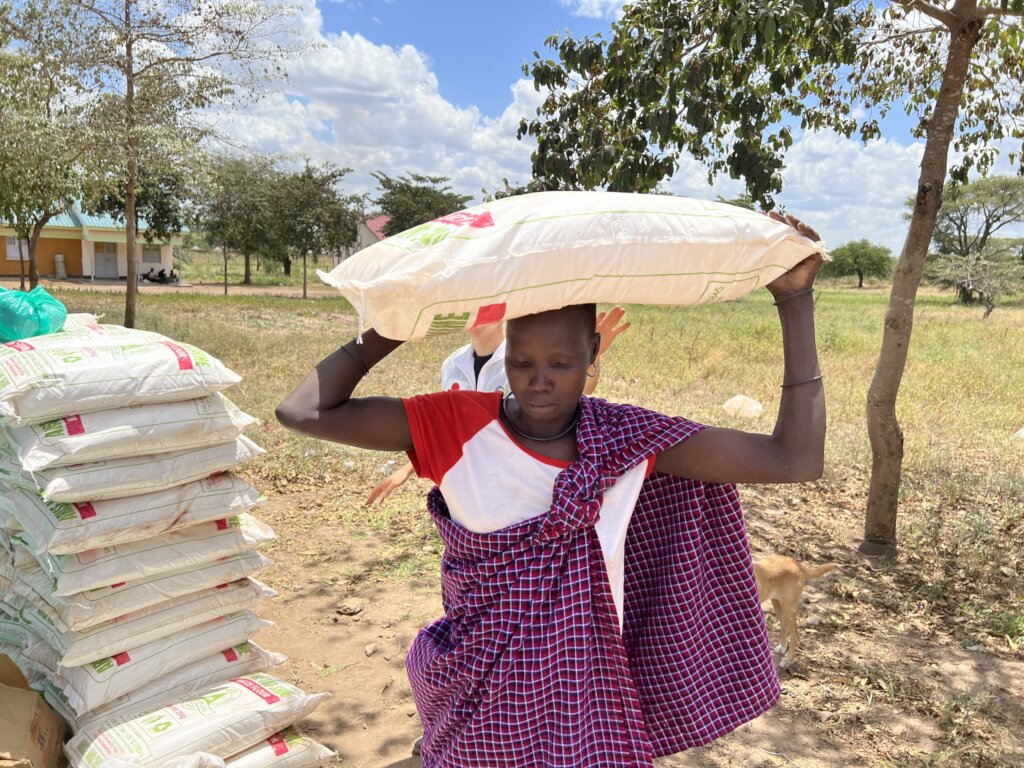
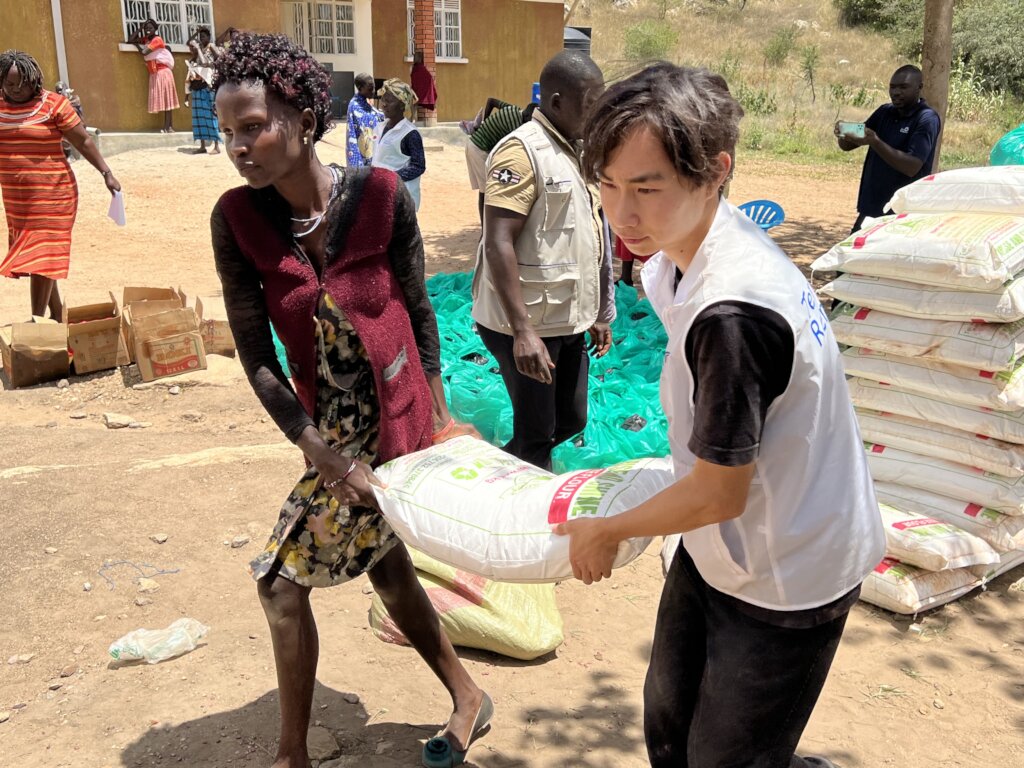
Karamoja experiences only one rainy season each year. This means that it is key for the communities to make the most of this short growing season—producing and harvesting enough food to sustain them through the long dry months ahead. Thanks to your support, irrigation farming is helping communities become more resilient and better able to withstand these difficult periods.
At the same time, much work remains to be done before these activities can be fully managed and sustained by community members. While the communities are making steady progress, building lasting self-reliance takes time and effort. Beyond farming, participants need literacy and numeracy skills to manage their farming activities. Continued support for literacy, agricultural skills, and community capacity building remains an essential part of our work.
Step by step, we continue to work on these challenges and support communities as they build a more empowered future.
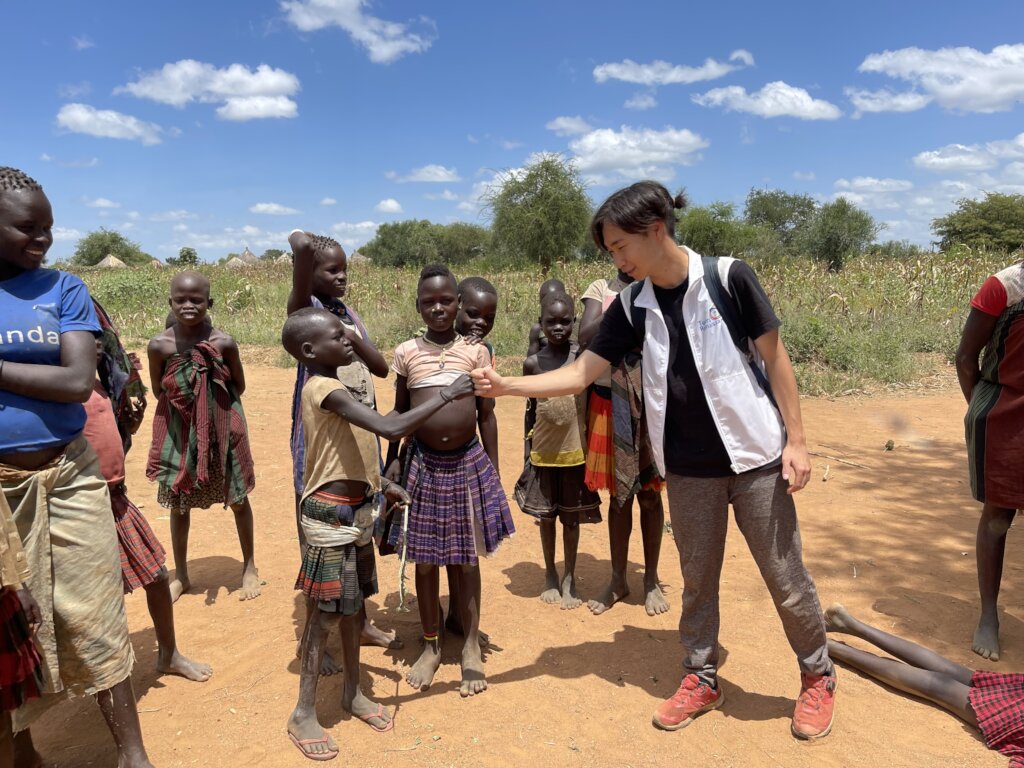
Thank you for standing with the people of Karamoja. We hope you will continue to follow and support this journey.
Links:
By Channie Cheung | Member of Overseas Team
By Channie Cheung | Member of Overseas Team
Project reports on GlobalGiving are posted directly to globalgiving.org by Project Leaders as they are completed, generally every 3-4 months. To protect the integrity of these documents, GlobalGiving does not alter them; therefore you may find some language or formatting issues.
If you donate to this project or have donated to this project, you can receive an email when this project posts a report. You can also subscribe for reports without donating.



Support this important cause by creating a personalized fundraising page.
Start a Fundraiser