By Diana de la Vega | Directora
Artisan and Artistic Production Network
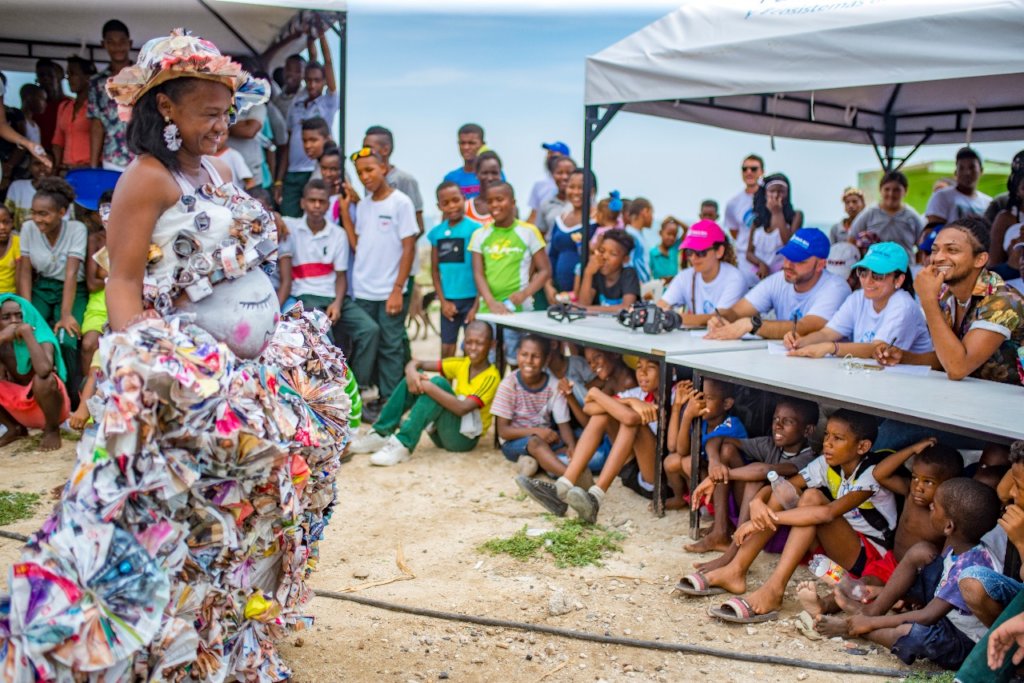
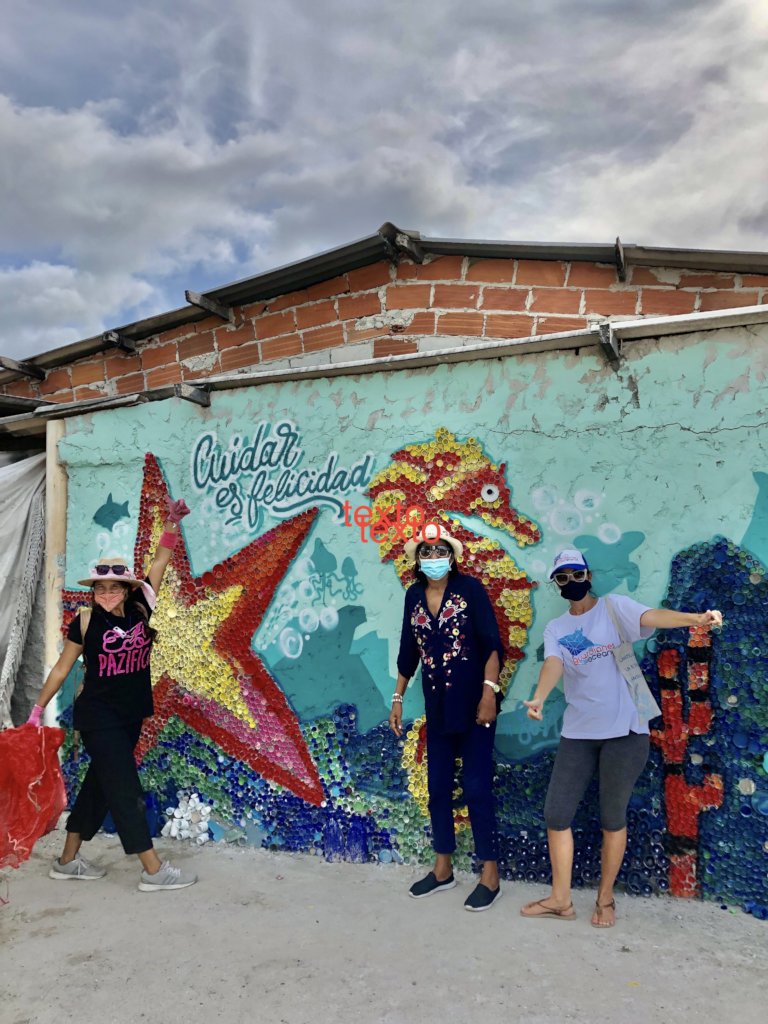
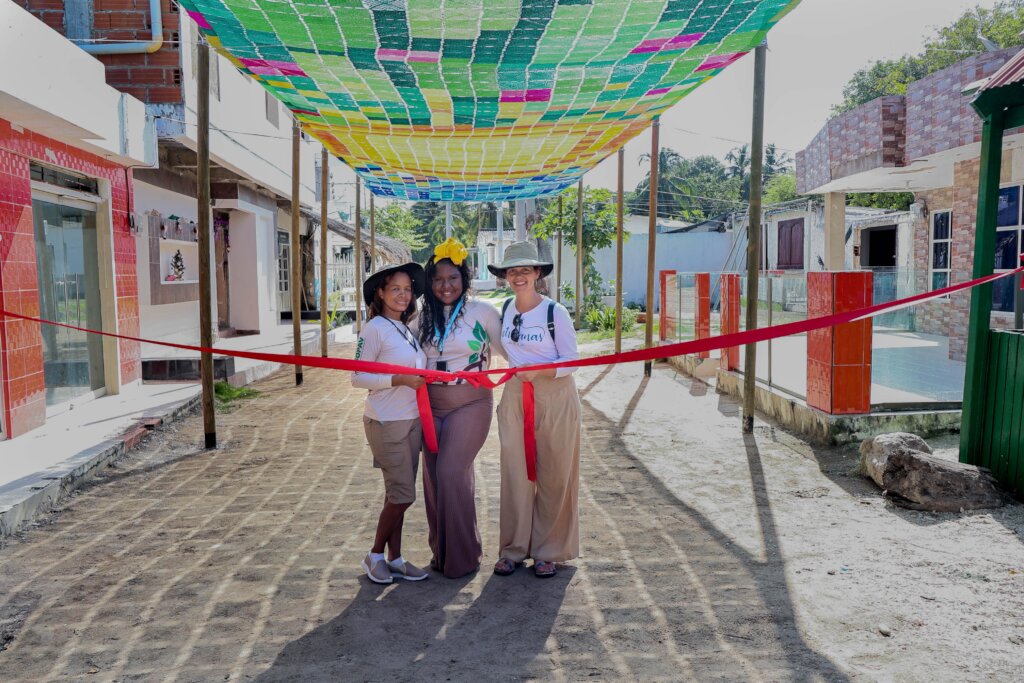
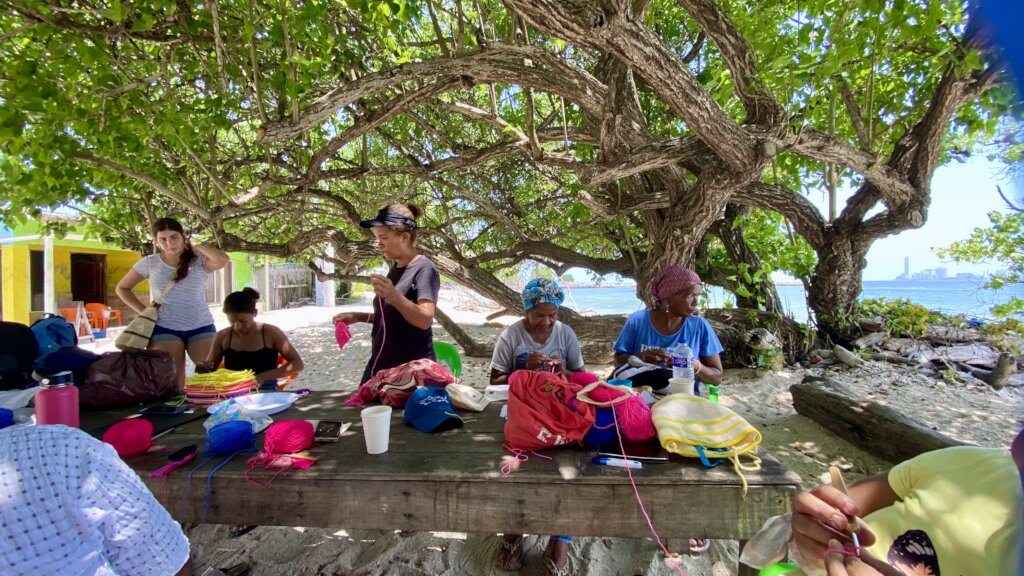
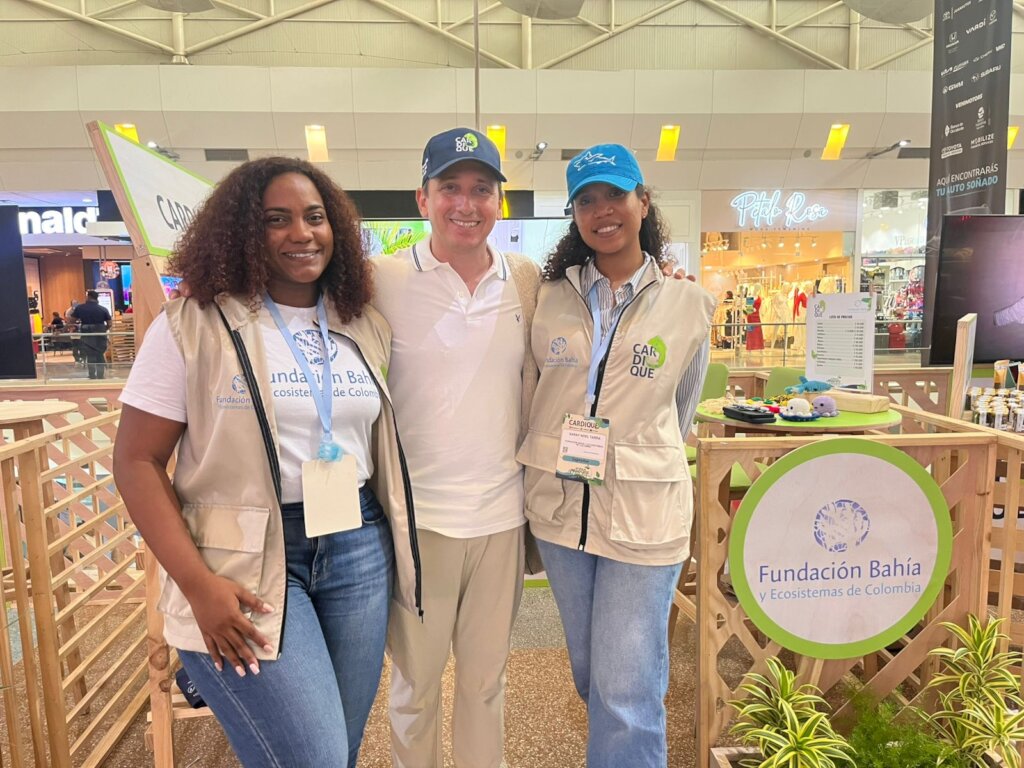
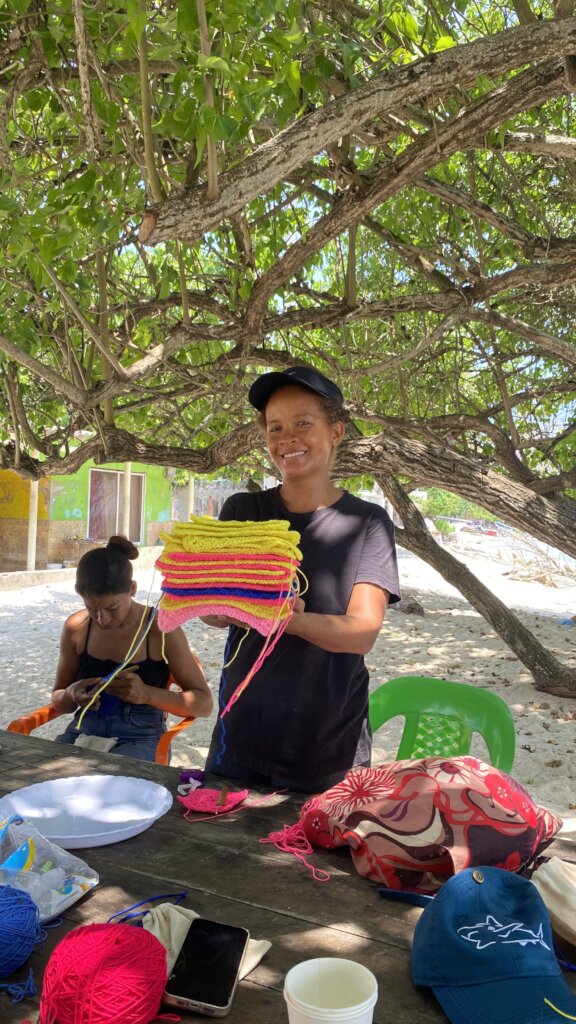
Something beautiful is taking shape in Punta Arena. A collective of 13 artists and artisans — 11 of them women from Cartagena and the island of Tierra Bomba — is quietly becoming something more than a crafts group. It is becoming a community of practice, a circle of mutual support, and a creative force with its own identity.
This period brought two pivotal workshops. The first, led by Sara Milanés — a seasoned entrepreneur and one of Colombia's most respected voices in the artisan sector — helped the group anchor their work in the principles of sustainability, innovation and business thinking. The second, facilitated by volunteers from ESMT Berlin in April, turned the tables in the best possible way: the artisans took center stage, presenting their materials, their products and their prices, and opening an honest dialogue about quality, value and what makes their work truly unique.
Between workshops, co-creation sessions have sharpened the collection and built confidence. The women are no longer just making beautiful things — they are learning to tell the story of what they make, and why it matters. Their work has been present at trade fairs since 2025, and with each gathering, the bonds between them grow stronger.
Community Ecotourism
Punta Arena is on the Map
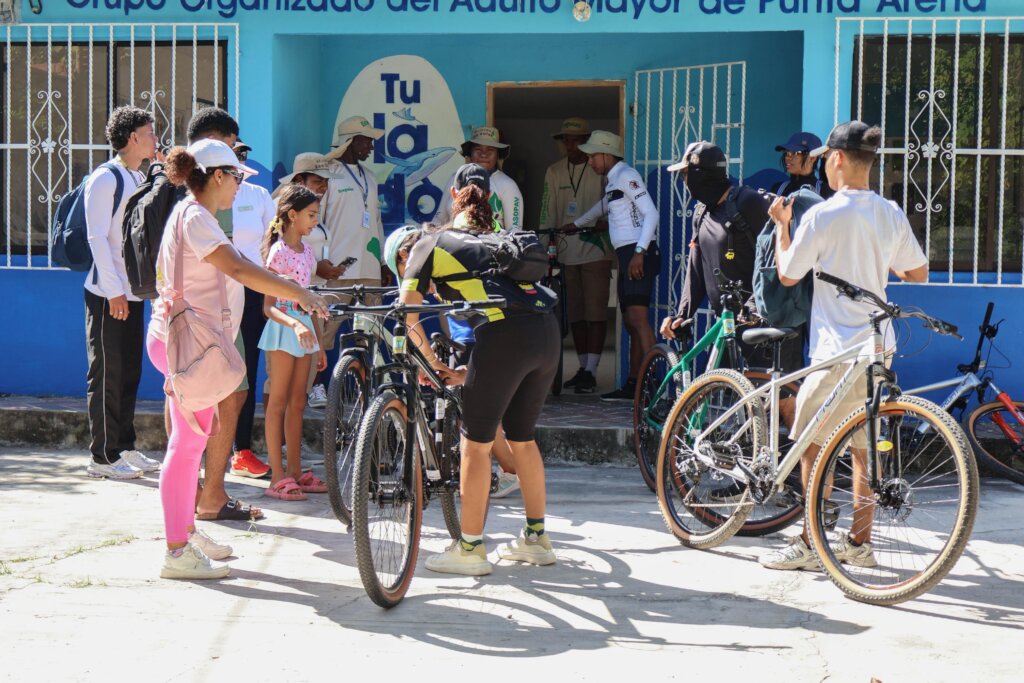
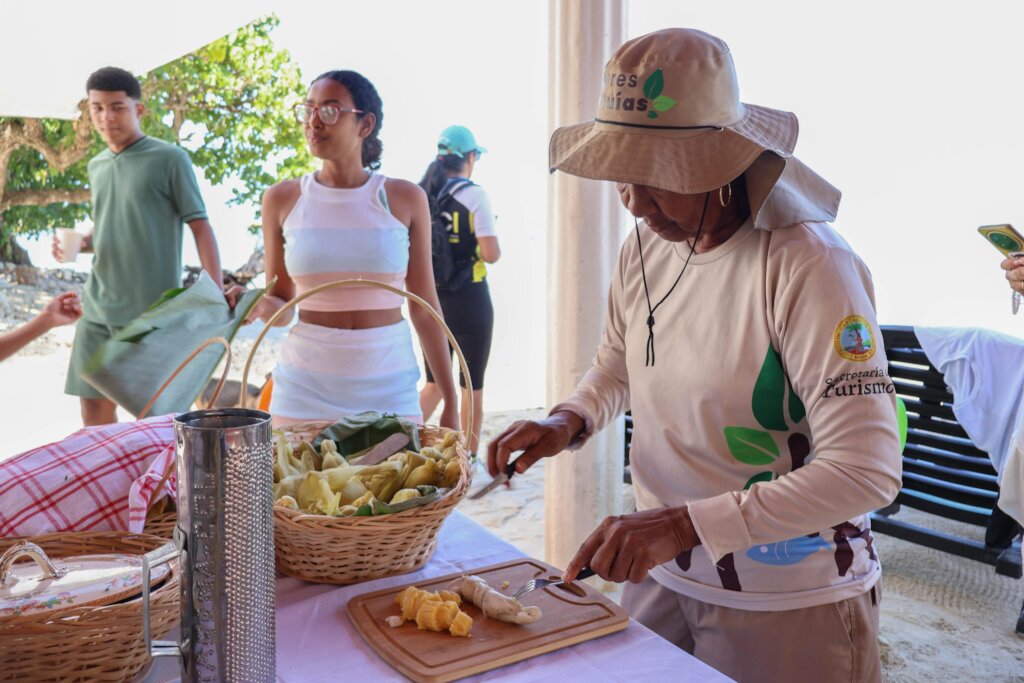
The Punta Arena ecotourism route is flourishing. More than 15 tours have been completed in recent months, buoyed by the alliance with Hotel Fénix Beach and a growing reputation that is bringing visitors back — and bringing new ones for the first time.
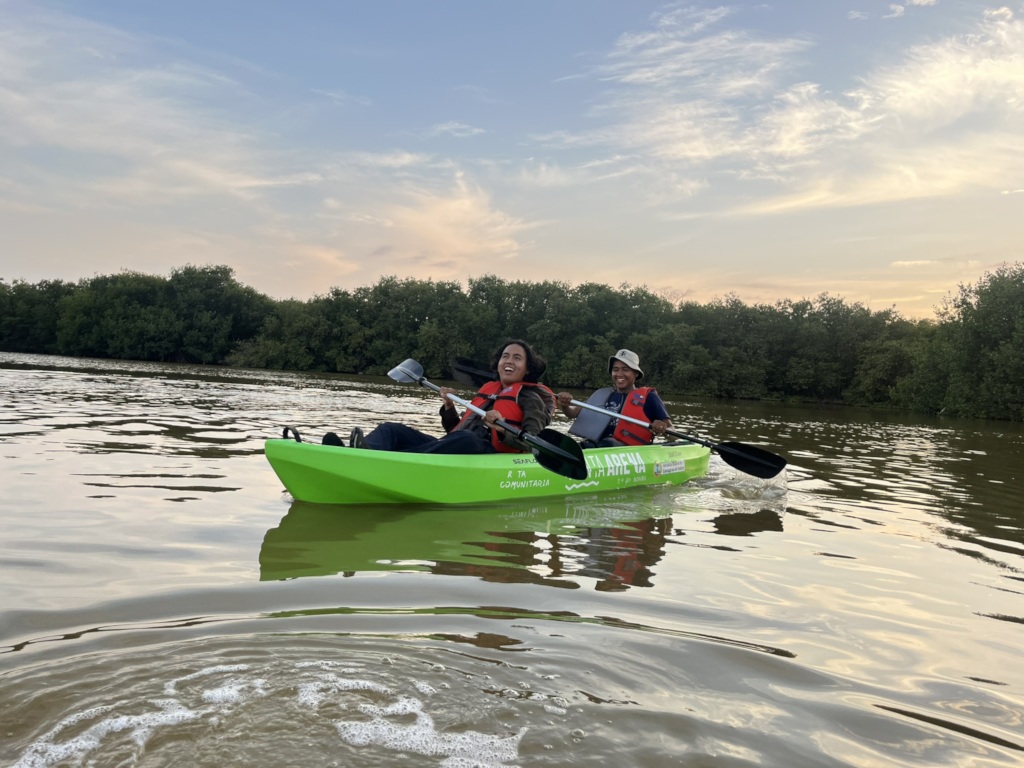
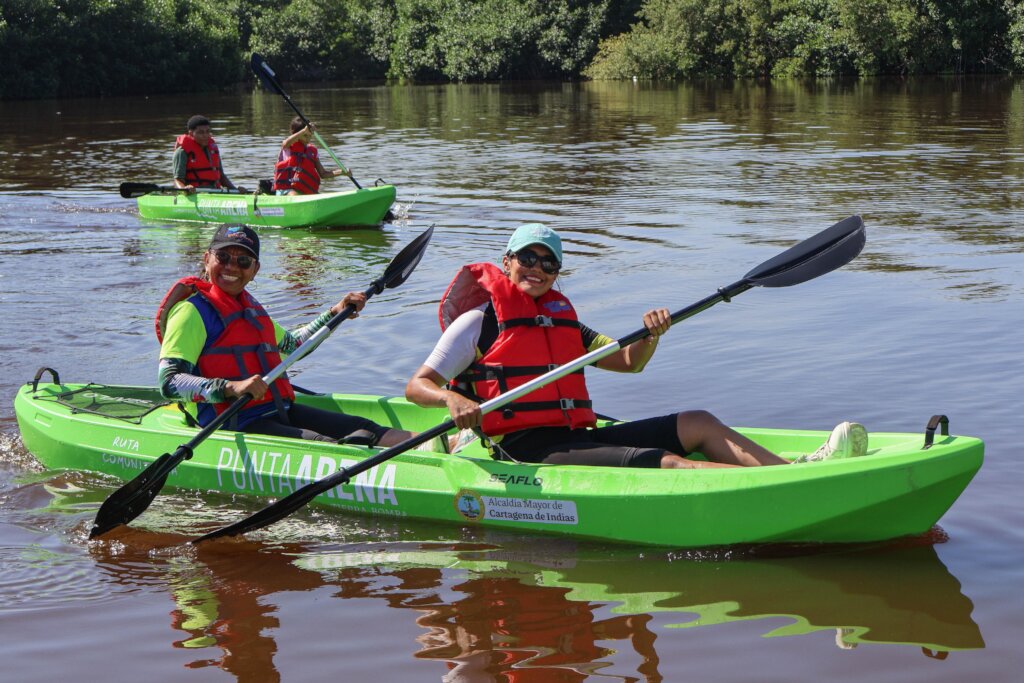
The women eco-guides are not just leading tours. They are actively shaping them. In a recent working session, the team identified a hidden gem: an uninhabited area near the kayak station that turns out to be a haven for bird life. It will soon become an official stop on the route, weaving birdwatching seamlessly into the kayaking experience and deepening the connection visitors feel with this extraordinary place.
Then came May 9th.
On that morning, Punta Arena hosted its first-ever Global Big Day — an international birdwatching event that brought together 19 observers: 16 from Cartagena and 3 local guides from the community itself. They split into two groups and fanned out across the island's ecosystems. One team walked to the Ciénaga de la Salina, cutting through patches of dry tropical forest before the mangrove closed in around them. The other paddled by kayak to an inner island, explored its verdant interior on foot, and stumbled upon a second hidden lagoon alive with herons.
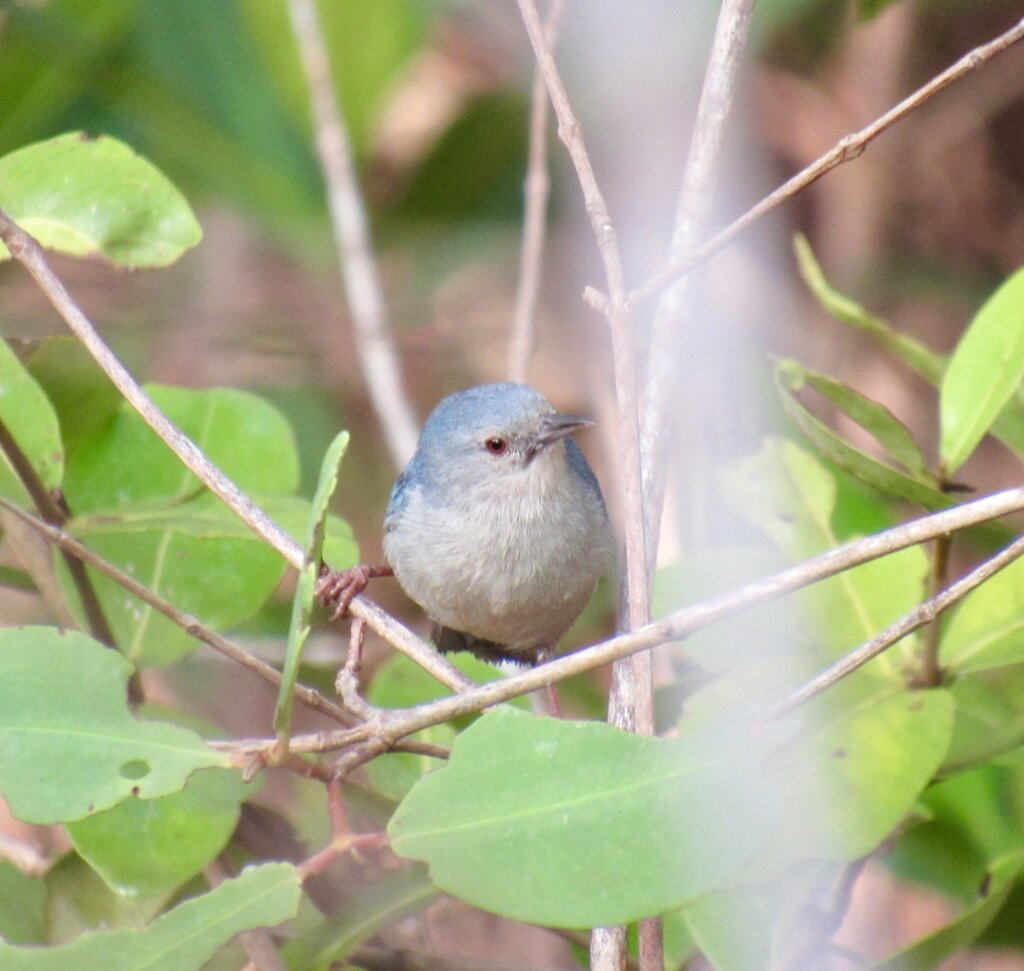
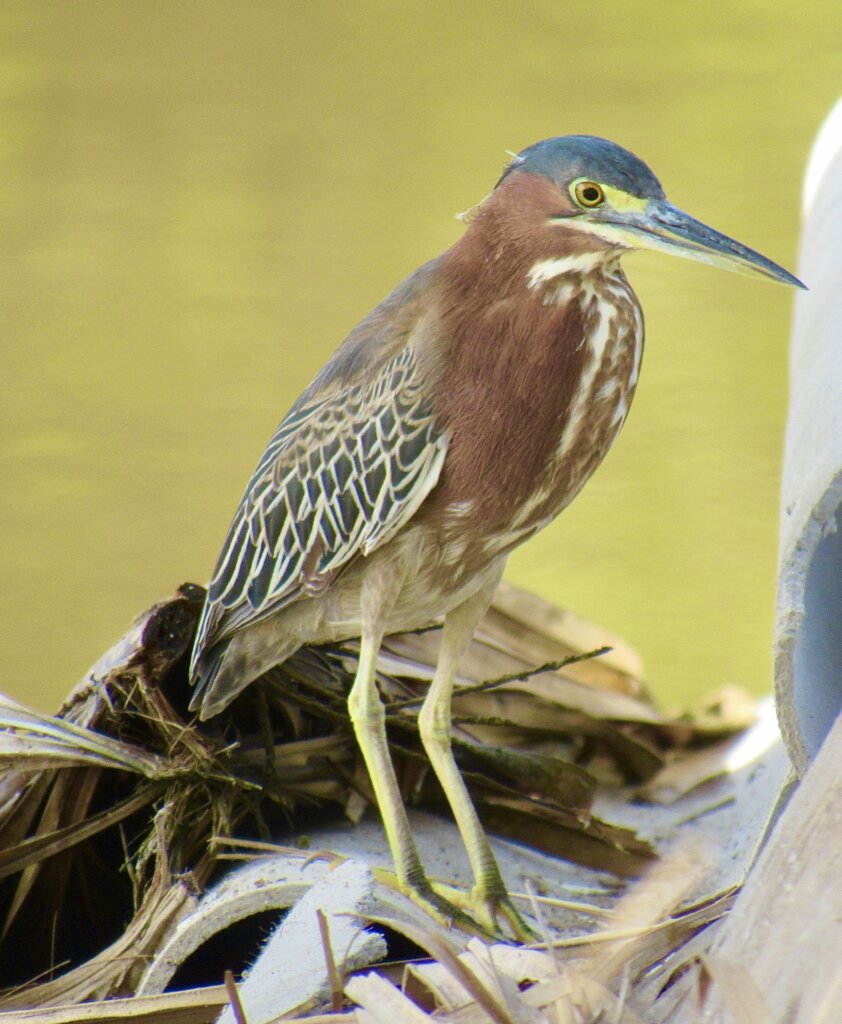
By the end of the morning, 35 species had been recorded across dry forest, mangrove, lagoon and coastal habitats. Among the standouts: the Conirostrum bicolor, a mangrove specialist whose presence signals a healthy ecosystem, and the Green Heron (Butorides virescens), a migratory visitor pausing on Tierra Bomba on its way back north — a small, fleeting reminder of just how connected this island is to the wider world.
The day carried one more extraordinary outcome. Thanks to this work — and to years of patient collaboration with Colegio Montessori birdwatchers and the Ornithological Society of Bolívar — Punta Arena is now an official eBird hotspot. It is on the global map. Any birdwatcher anywhere in the world who visits Cartagena can now find their way to Punta Arena and discover its birds, its mangroves, its people and its stories.
Environmental and Cultural Education
Know It to Protect It
Education, for us, is never abstract. It happens in classrooms, on the water, and in the spaces between.
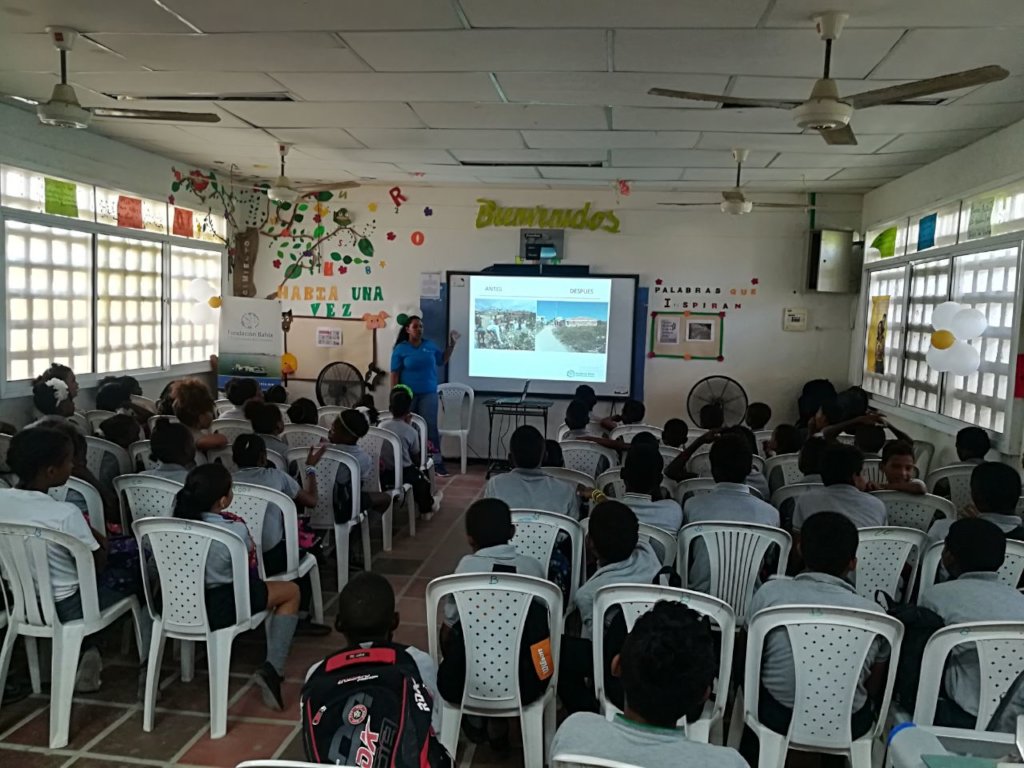
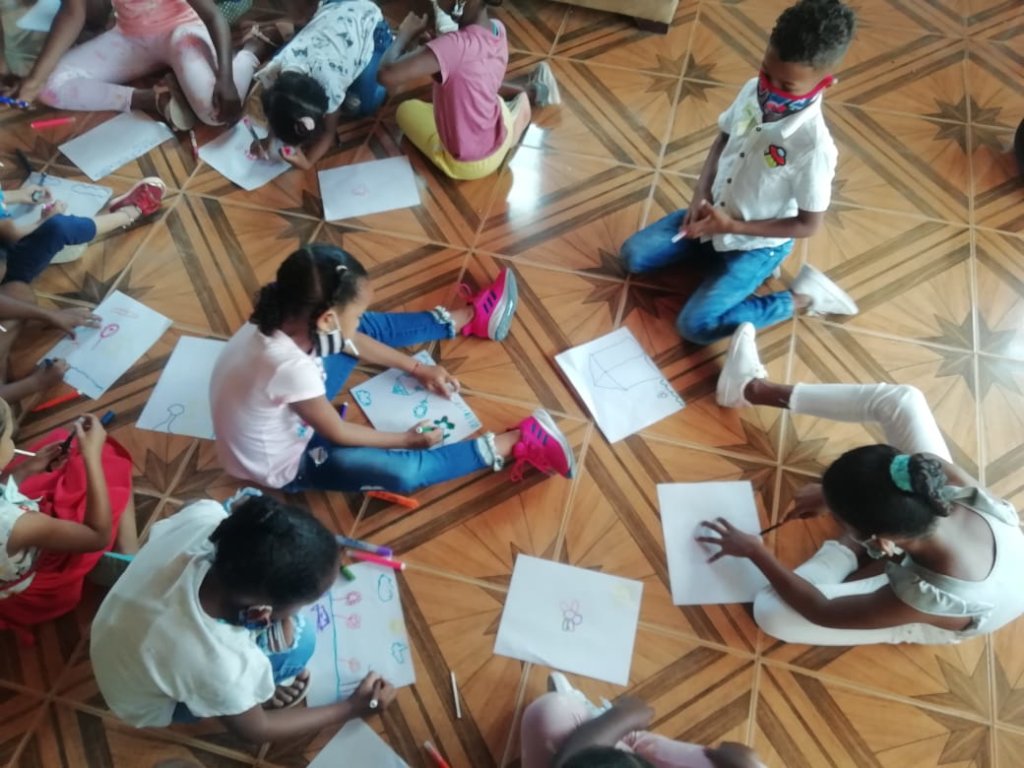
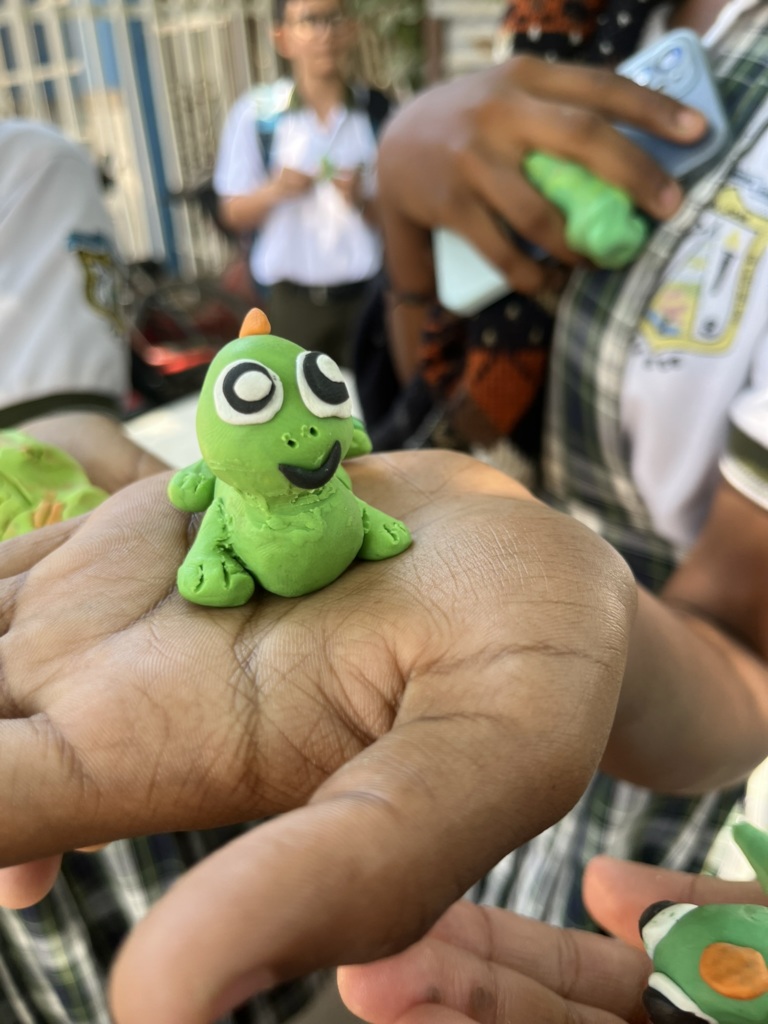
This period, our Know It to Protect It program reached schools in Caño del Oro and Tierrabomba with workshops on one of the island's most pressing conservation stories: the Green Iguana (Iguana iguana). Once abundant, its population is declining due to habitat loss and seasonal hunting. The workshops brought this reality to life for students — and lit a spark of protectiveness that we believe will last. We also visited the school in Bocachica for the first time, presenting the program to teachers and students who were eager, curious and ready to participate.
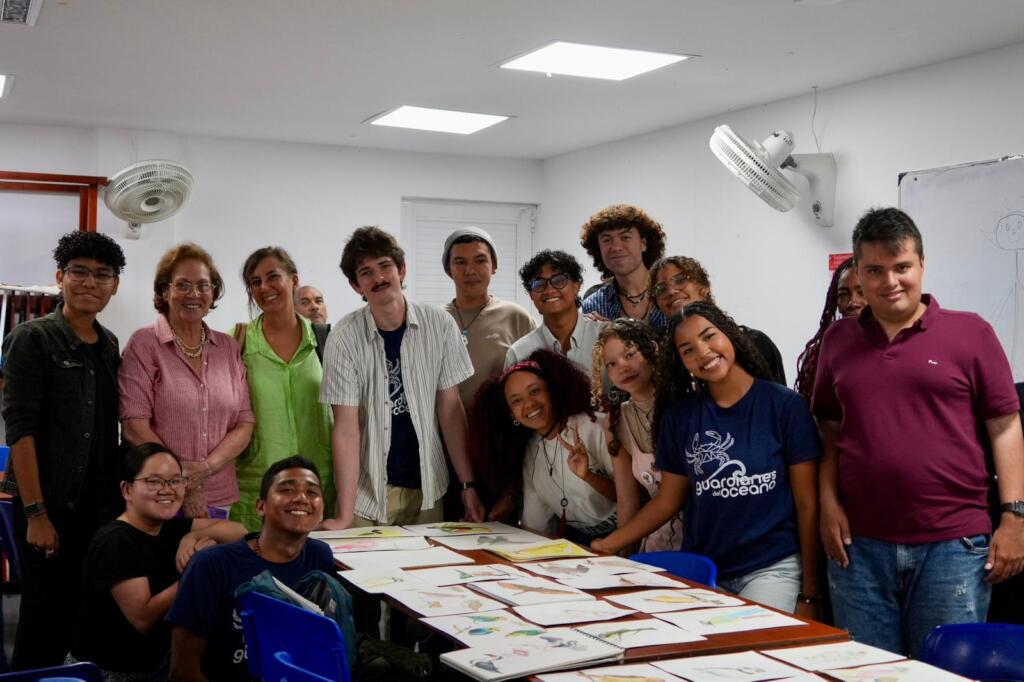
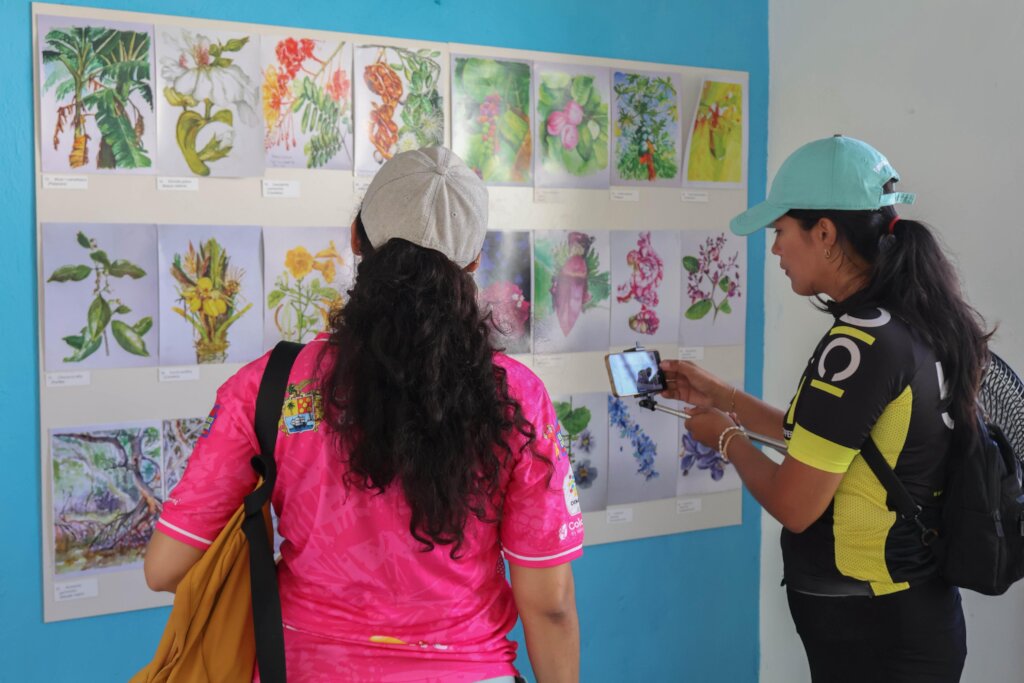
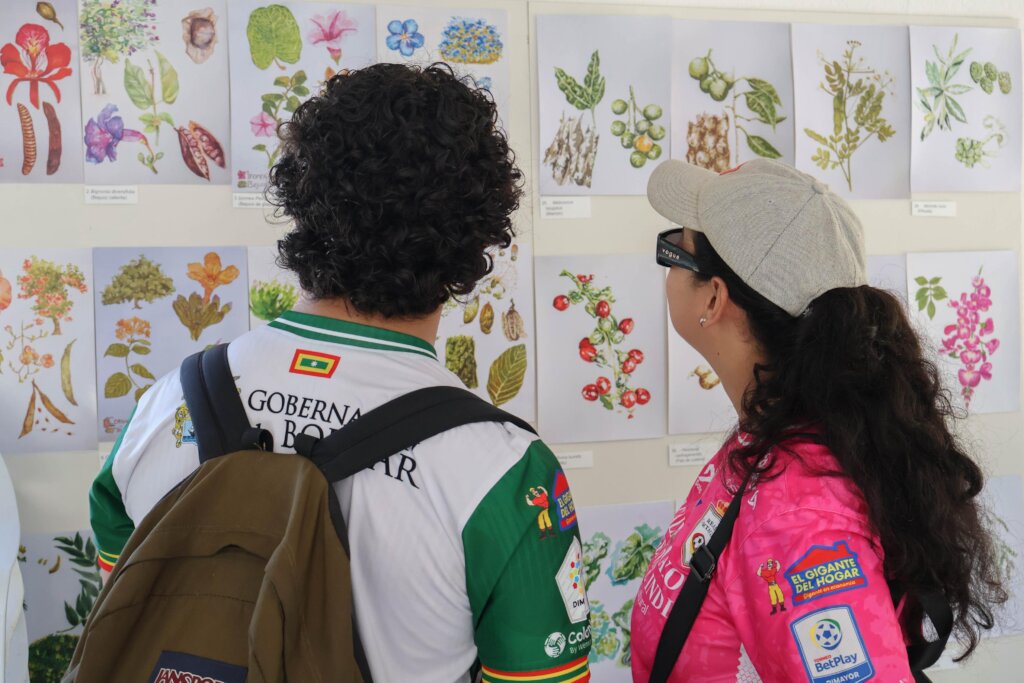
Meanwhile, the Punta Arena Bird Guide is taking shape with growing momentum. We began working with illustration students from UNIBAC, and the records from Global Big Day allowed us to add new species to the guide with the support of biologists and platforms like eBird and Merlin. The guide now documents more than 59 bird species — a living field guide shaped by the community, for the community, and for the world.
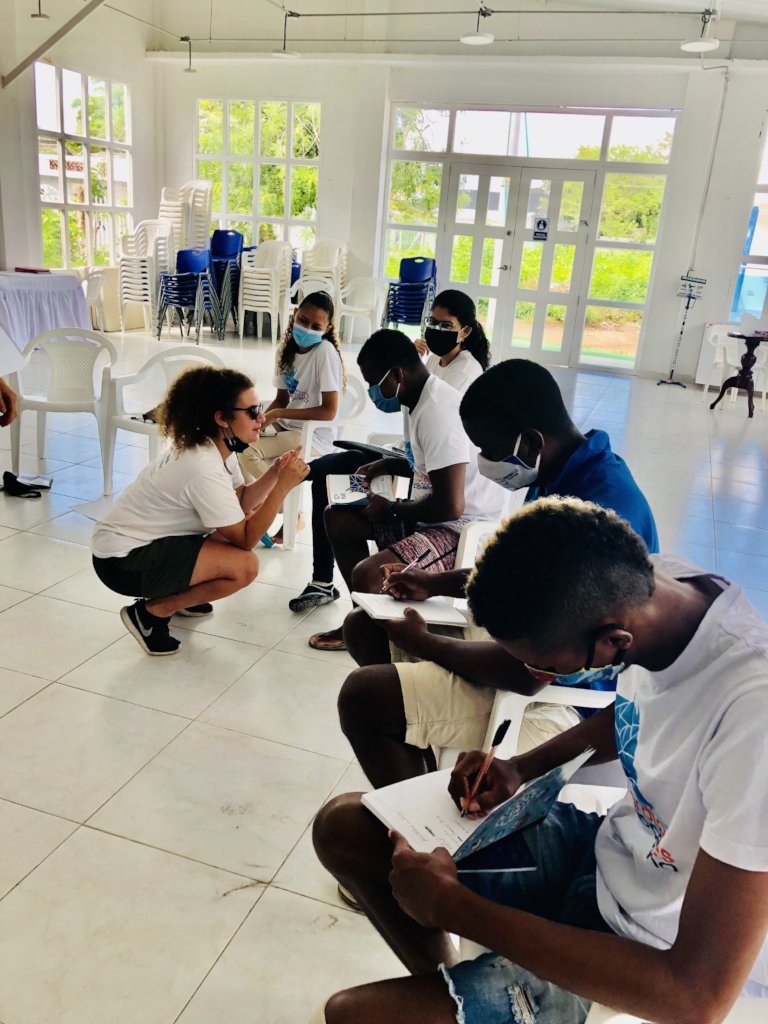
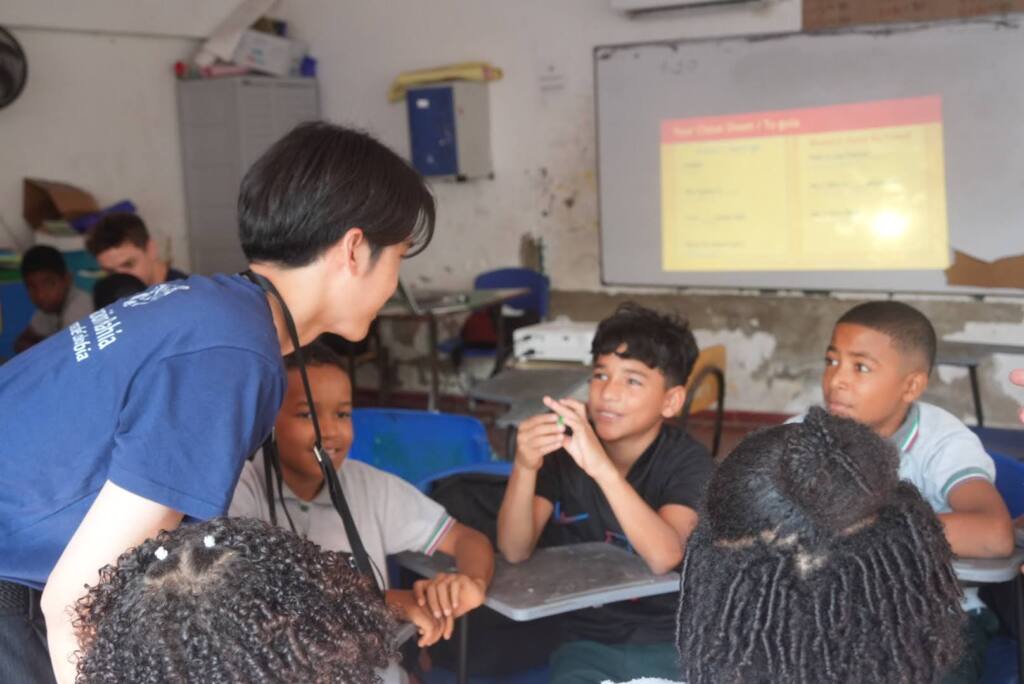
In April, ESMT Berlin volunteers brought something rarer than expertise: genuine curiosity. Their language and cultural exchange with students from the IETB school in Punta Arena was one of those quietly profound moments — two worlds meeting across a table, learning each other's words, expanding each other's horizons.
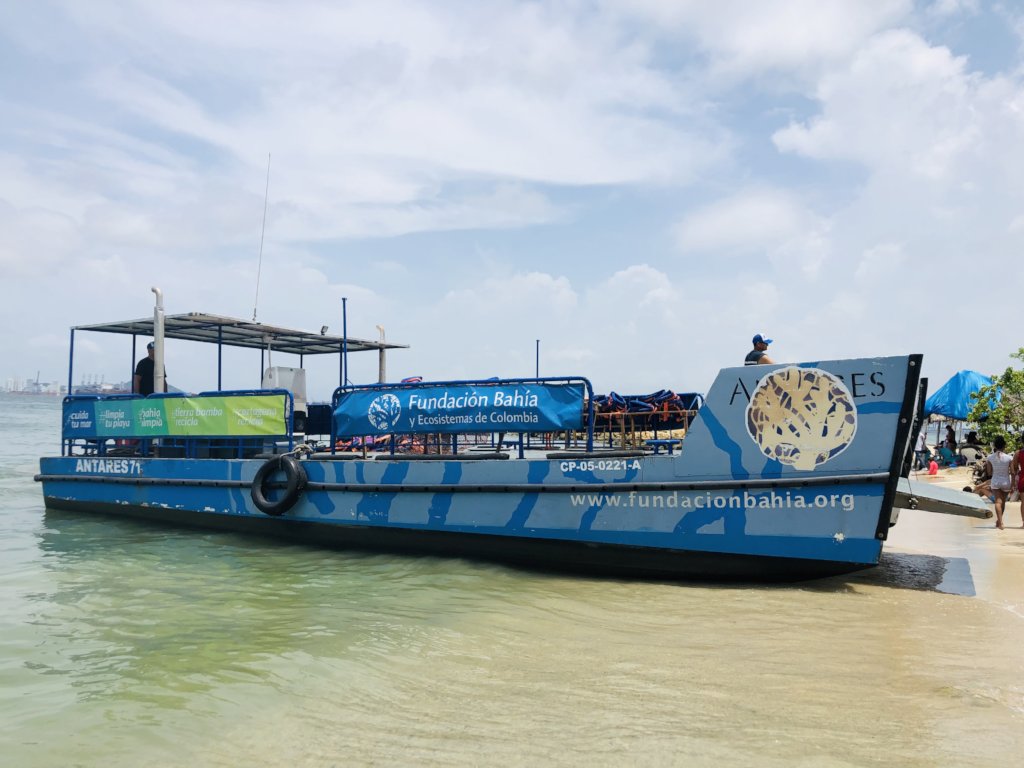
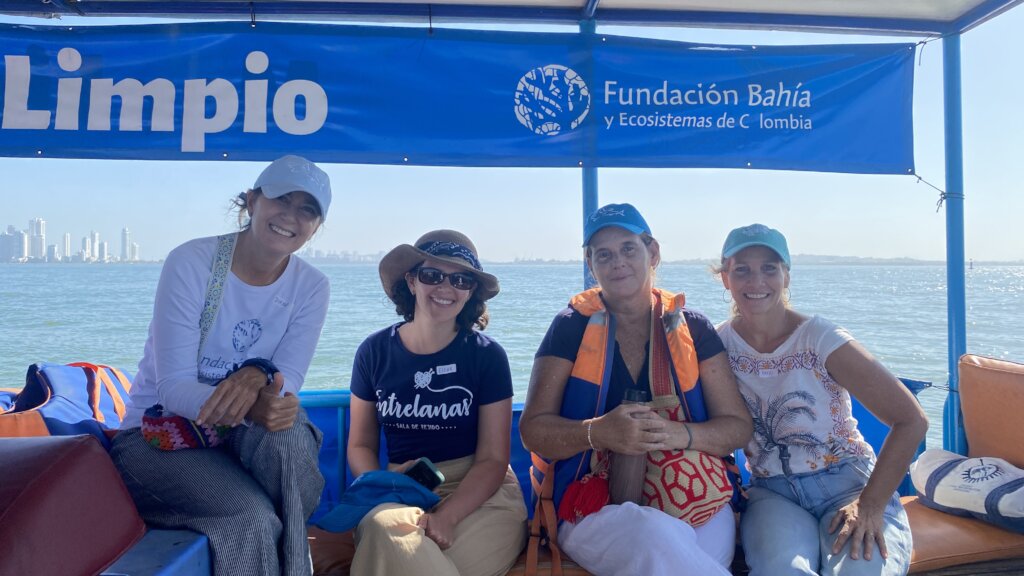
And as the sun set over the Bay of Cartagena one evening, our school vessel carried a different kind of classroom. Students from COJOWA, joined by representatives from the Historical Museum of Cartagena and the Secretariat of Tourism, sailed through the mangrove as herons glided overhead, while stories of pirates, colonial trade routes and Afro-Colombian resilience filled the air. History and nature, inseparable as always. We hope this experience becomes a regular offering for the young people of Cartagena — a chance to fall in love with the city they call home, seen from the water where it all began.
Looking Ahead
The next chapter is already underway. In Bocachica, we will launch our first educational activities with students as part of the Know It to Protect It program — extending our reach to a fourth community on the island. Field surveys will soon map new birdwatching zones across Tierra Bomba, expanding both the ecotourism route and the island's documented biodiversity. And in celebration of World Environment Day, Punta Arena will host a community Cambiazo — a joyful, practical event where donated goods change hands, waste is reimagined and the culture of care is renewed.
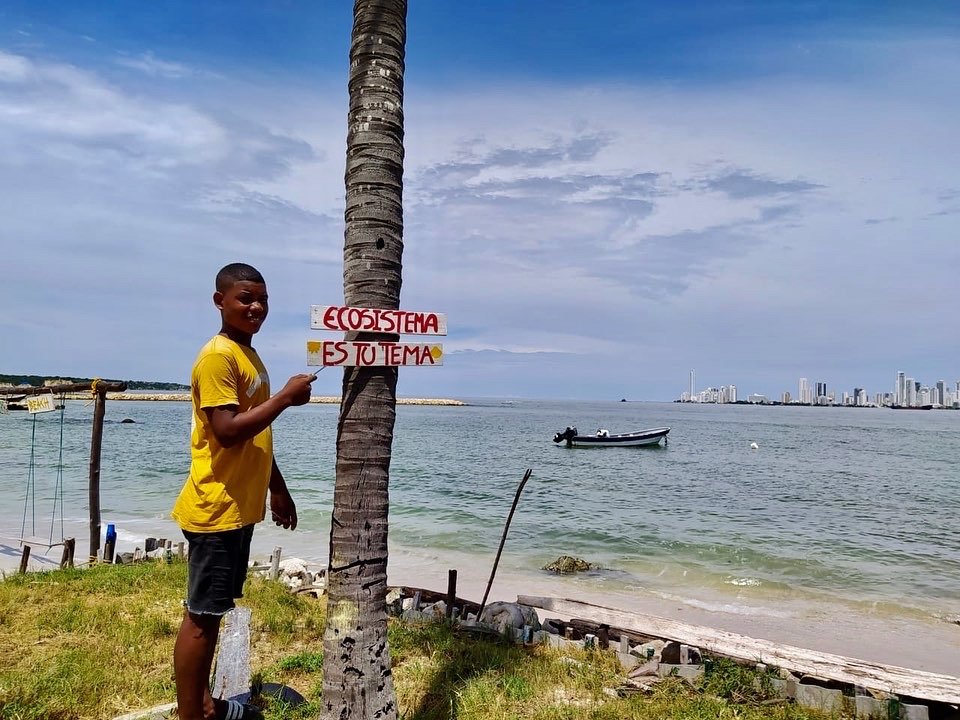
What this report reflects is more than a list of activities. It is evidence of a community stepping into its own power — women who lead tours and workshops, students who protect iguanas and identify herons, local guides who walk the mangrove with visiting birdwatchers from across the world. It is the story of a bay being loved back to life, one jornada at a time.
Thank you for being part of it.
By Diana de la Vega | Directora
By Diana de la Vega | Directora
Project reports on GlobalGiving are posted directly to globalgiving.org by Project Leaders as they are completed, generally every 3-4 months. To protect the integrity of these documents, GlobalGiving does not alter them; therefore you may find some language or formatting issues.
If you donate to this project or have donated to this project, you can receive an email when this project posts a report. You can also subscribe for reports without donating.



Support this important cause by creating a personalized fundraising page.
Start a Fundraiser