By Karla Aguerrebere | Project Leader
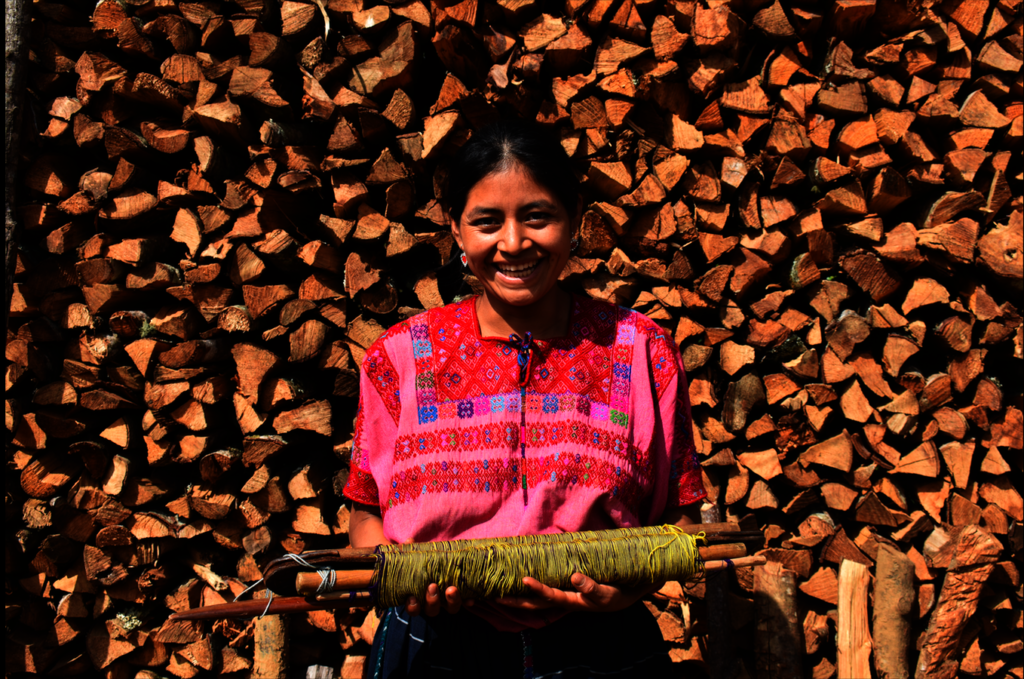
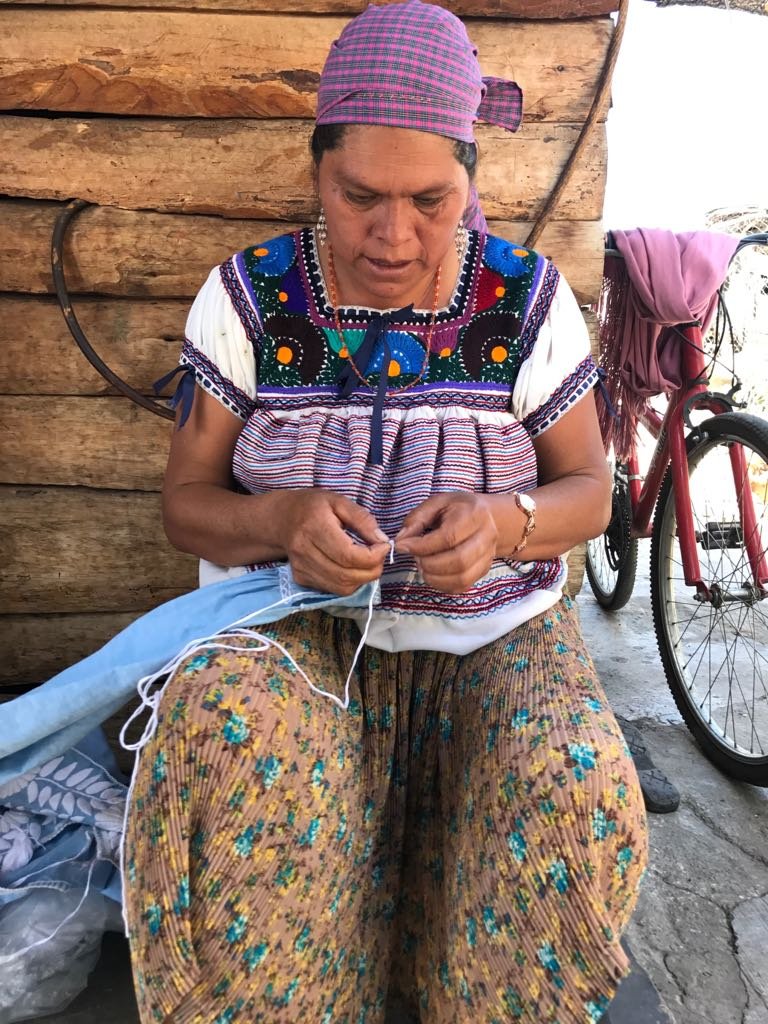
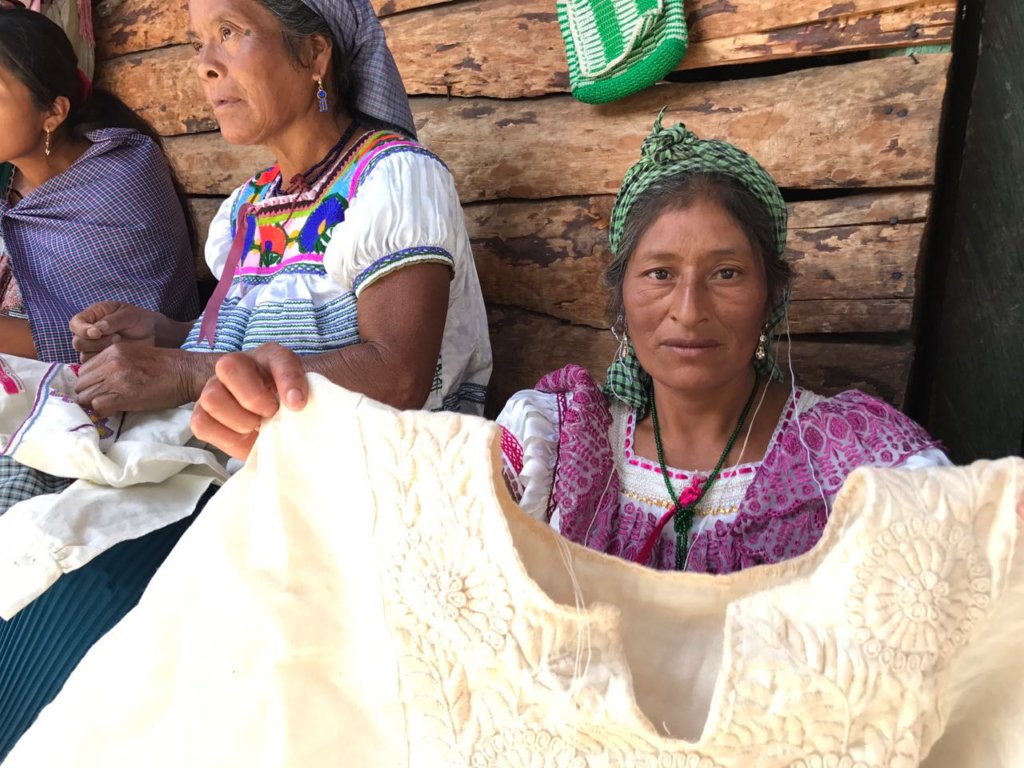
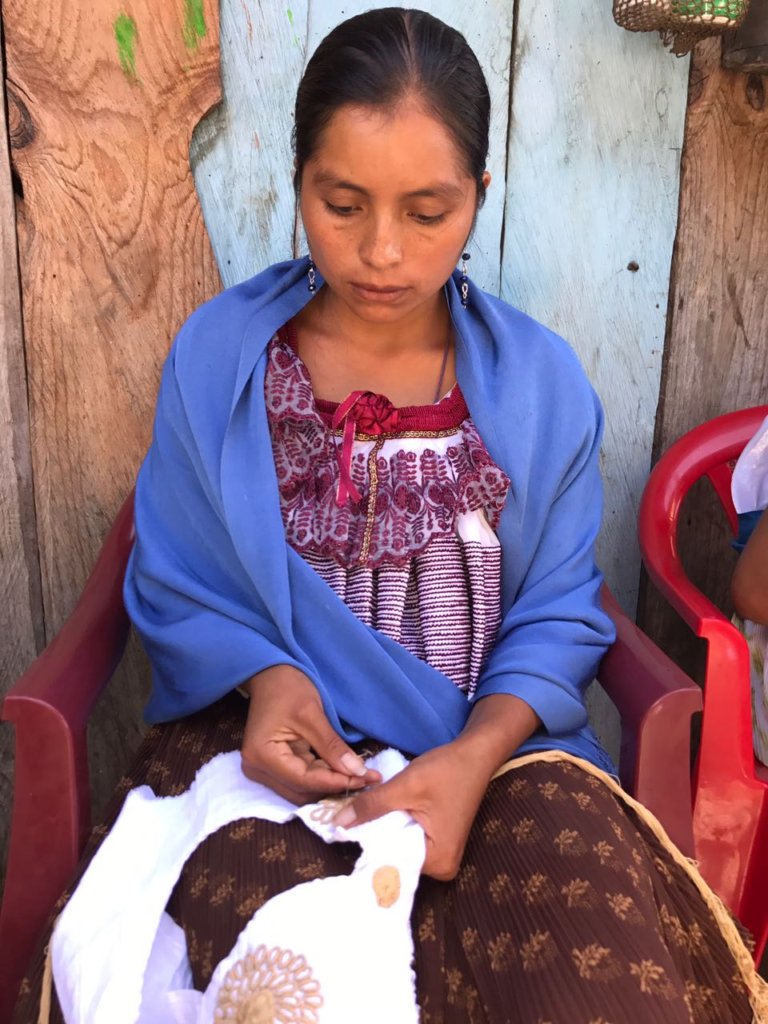
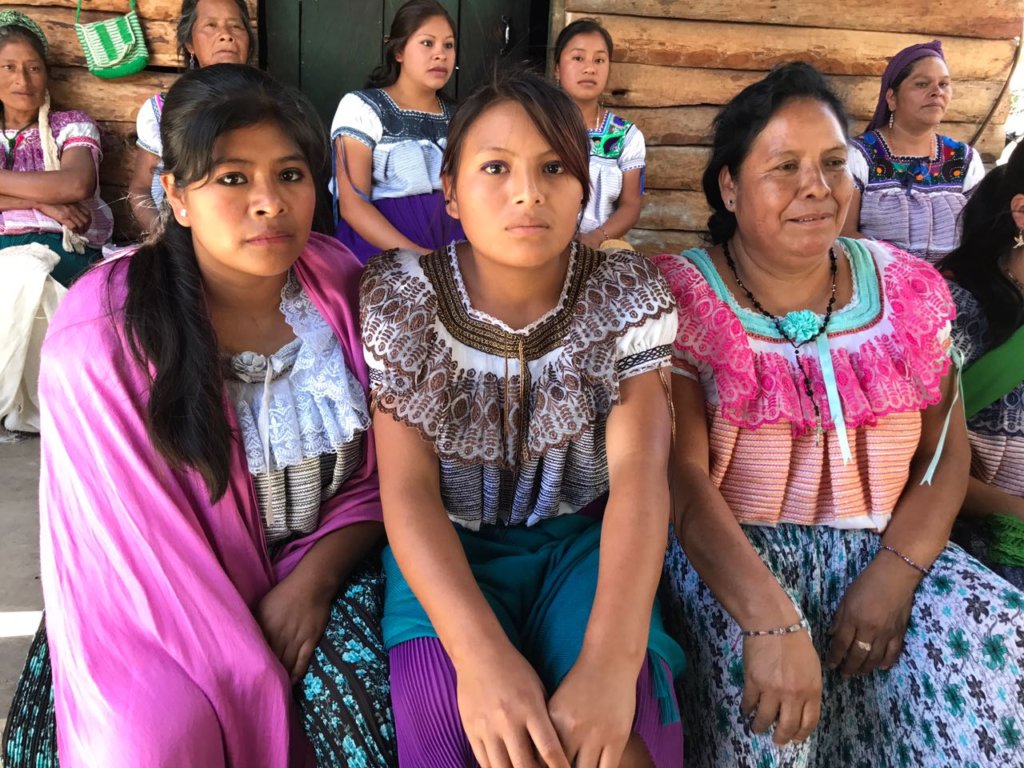
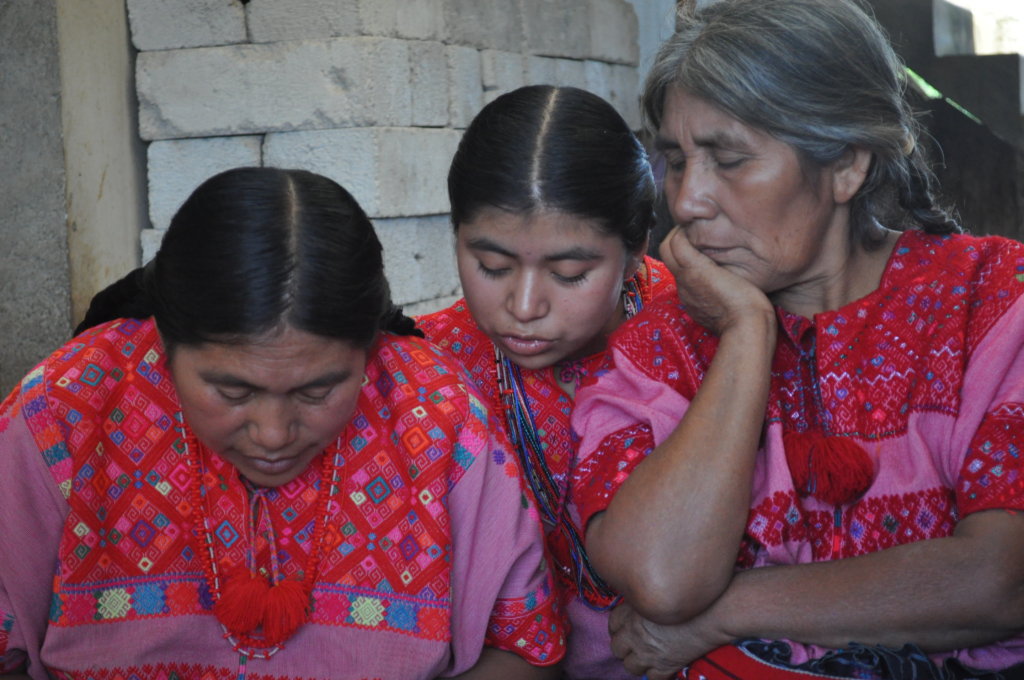
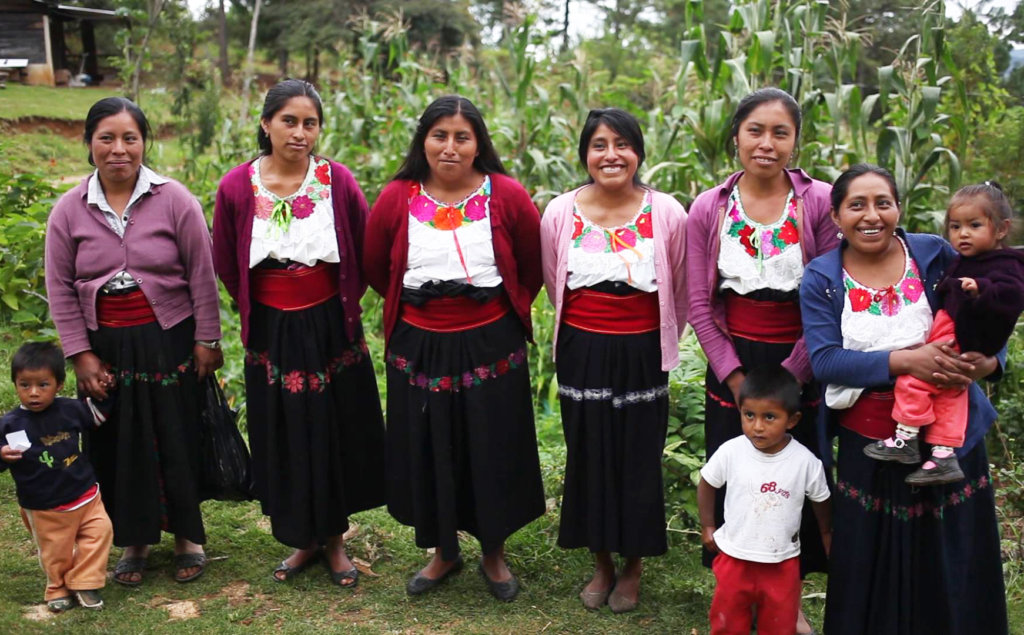
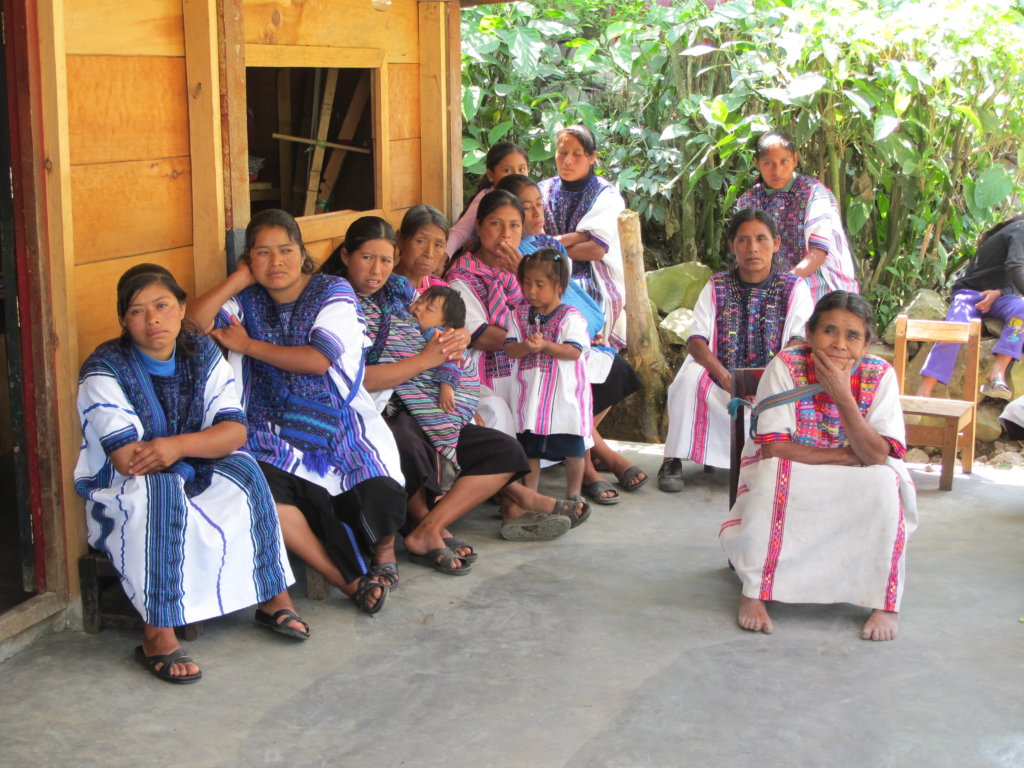
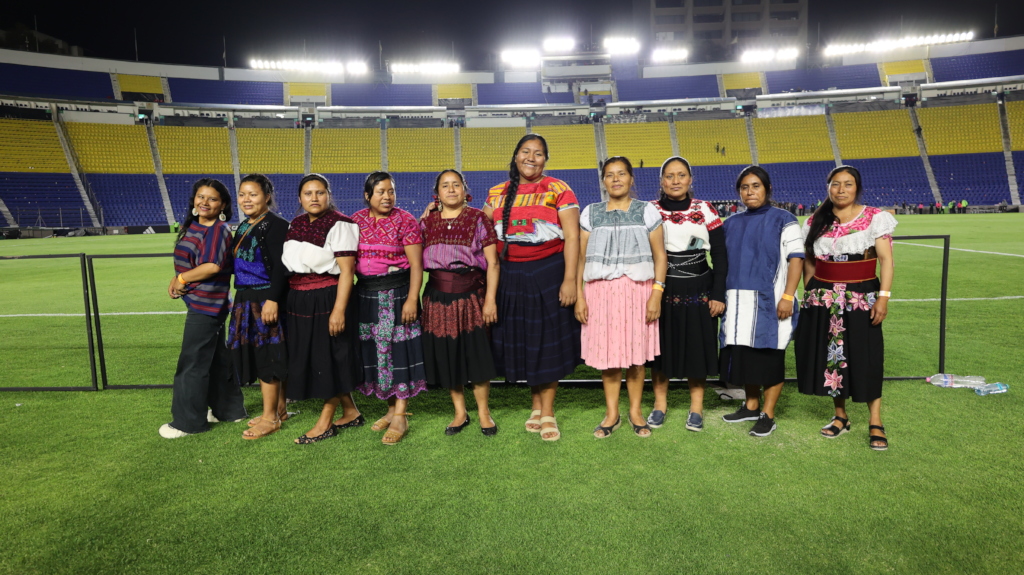
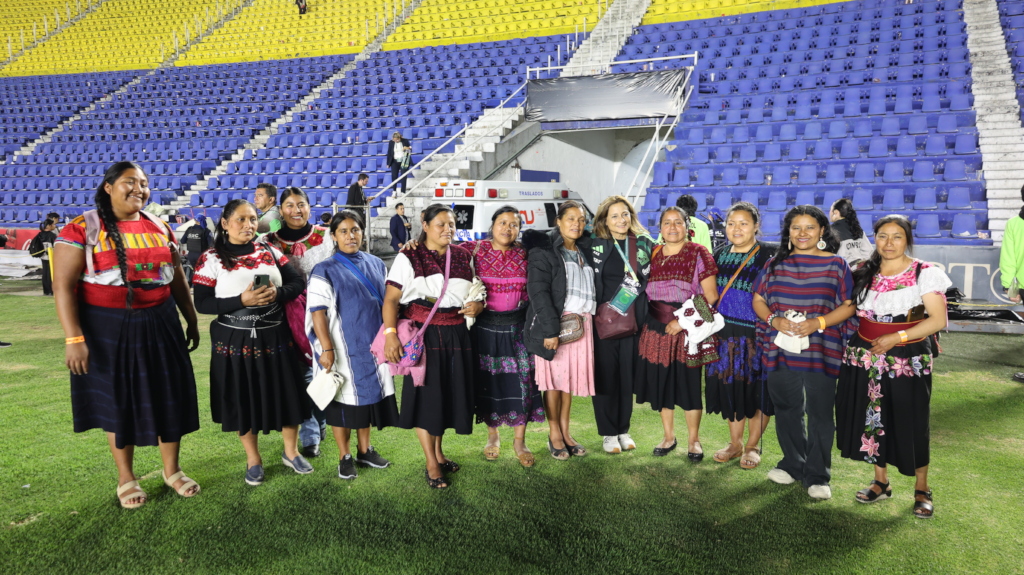
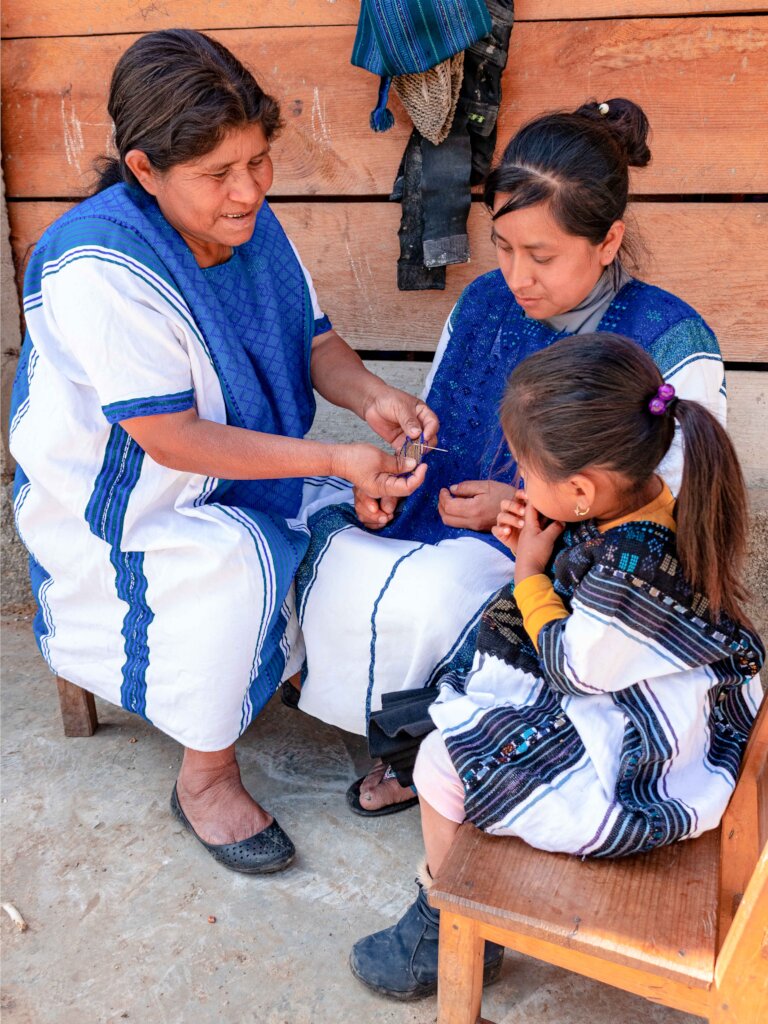
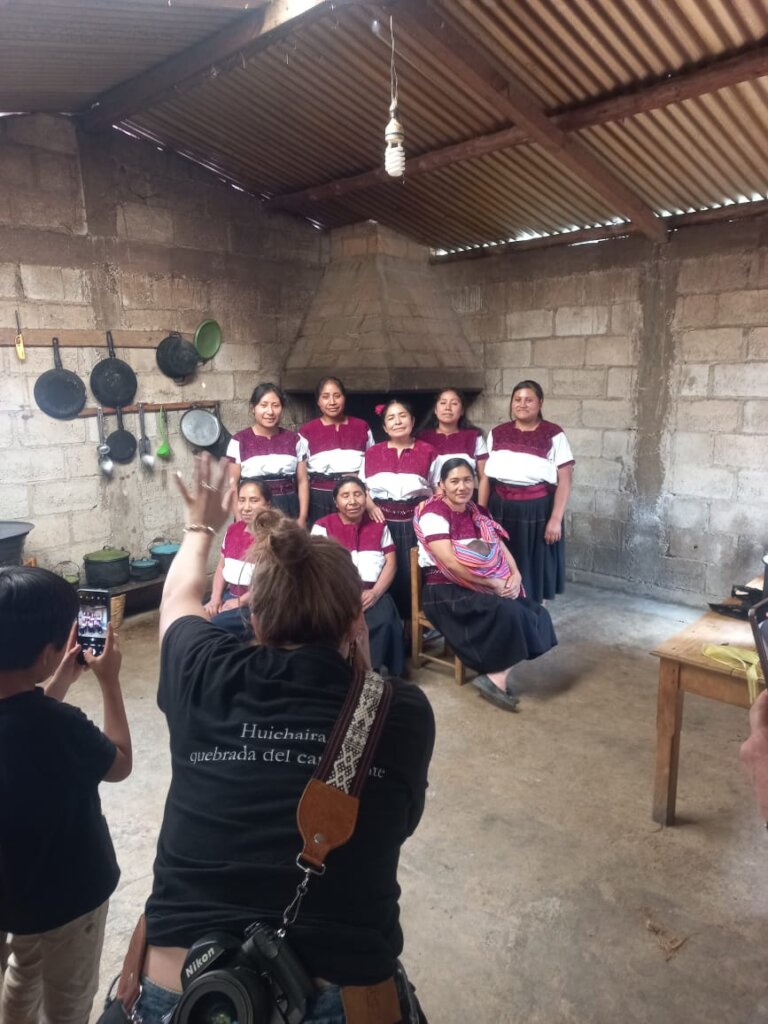
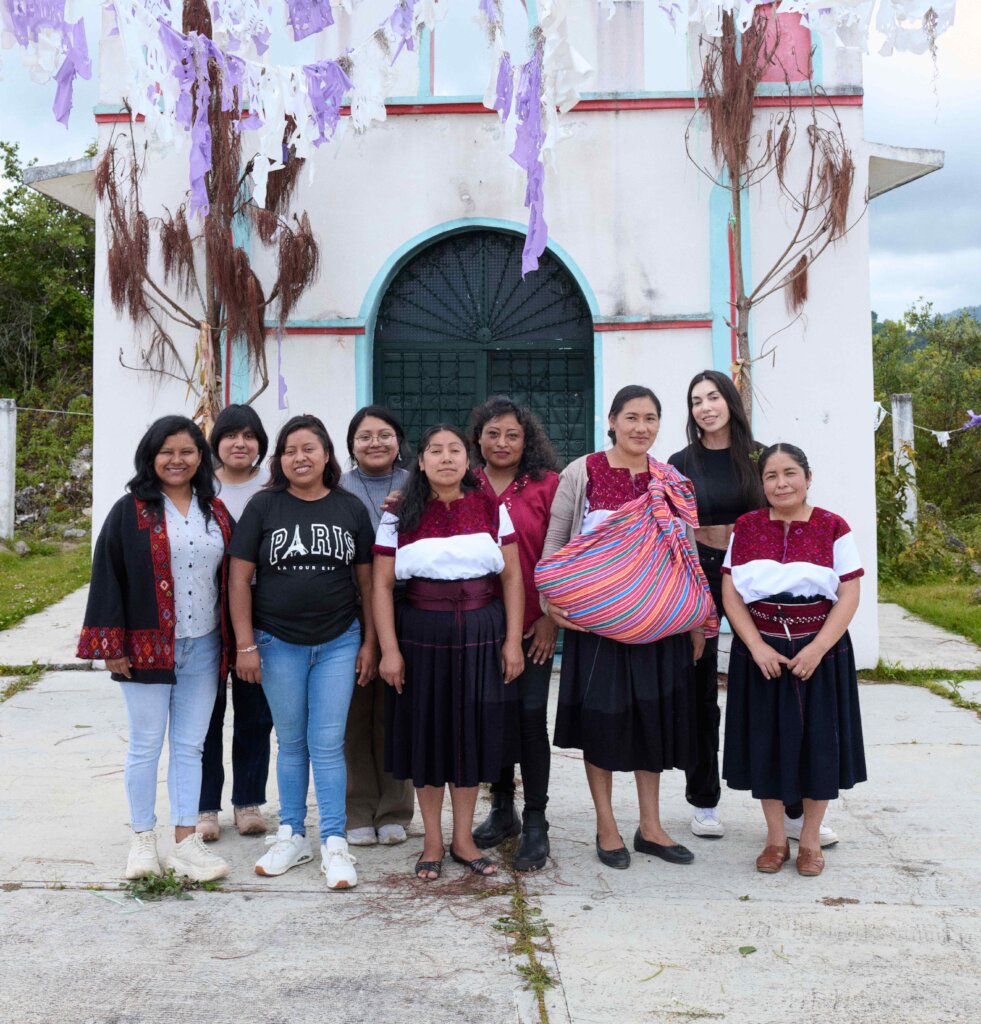
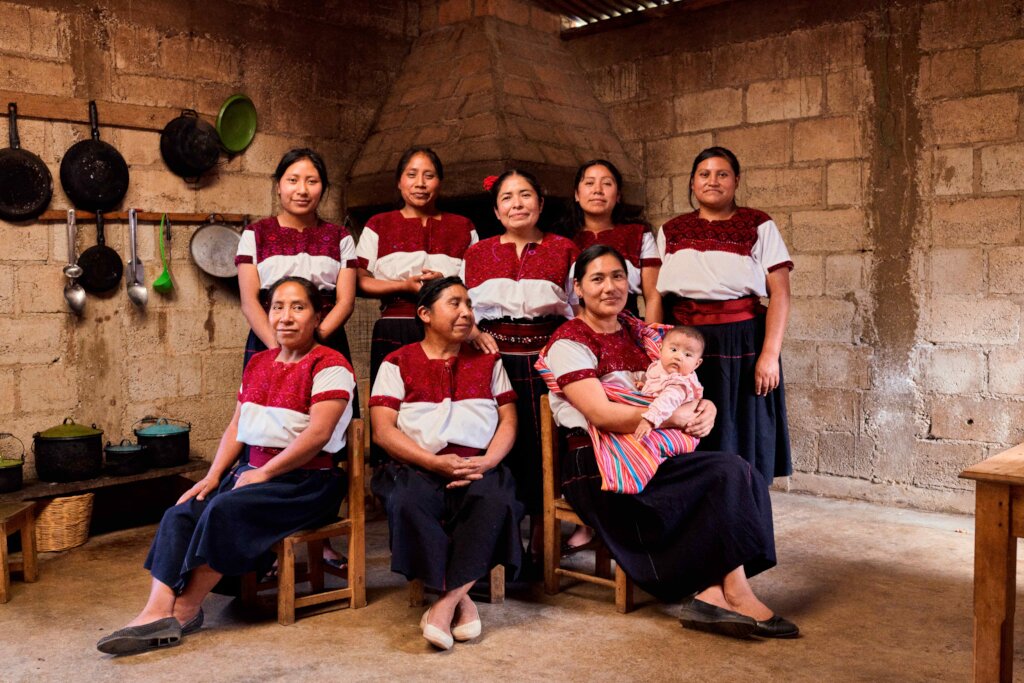
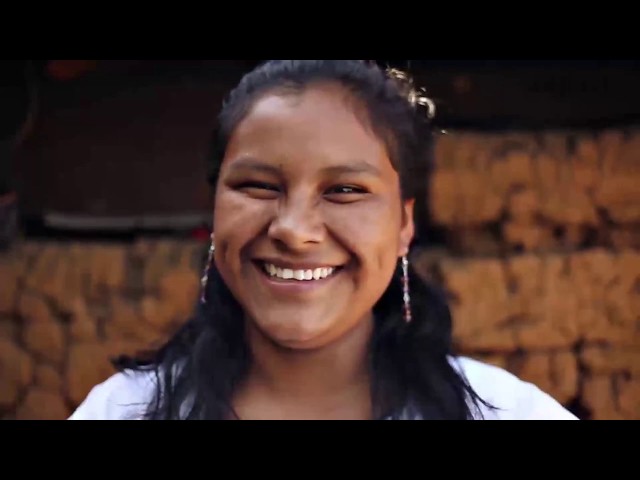
Over the past three months, ten Indigenous Mayan women artisans from the municipalities of Larráinzar, Chenalhó, Amatenango del Valle, Venustiano Carranza, Huixtán, Aldama, San Juan Cancuc, Tenejapa, and Santiago El Pinar had the opportunity to participate in a unique experience that combined recognition, cultural visibility, and relationship-building.
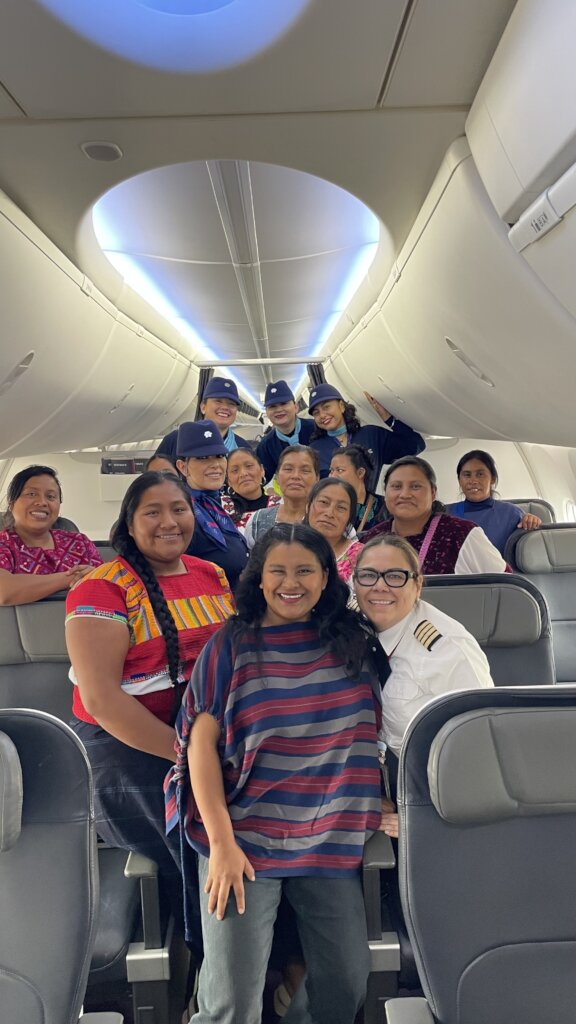
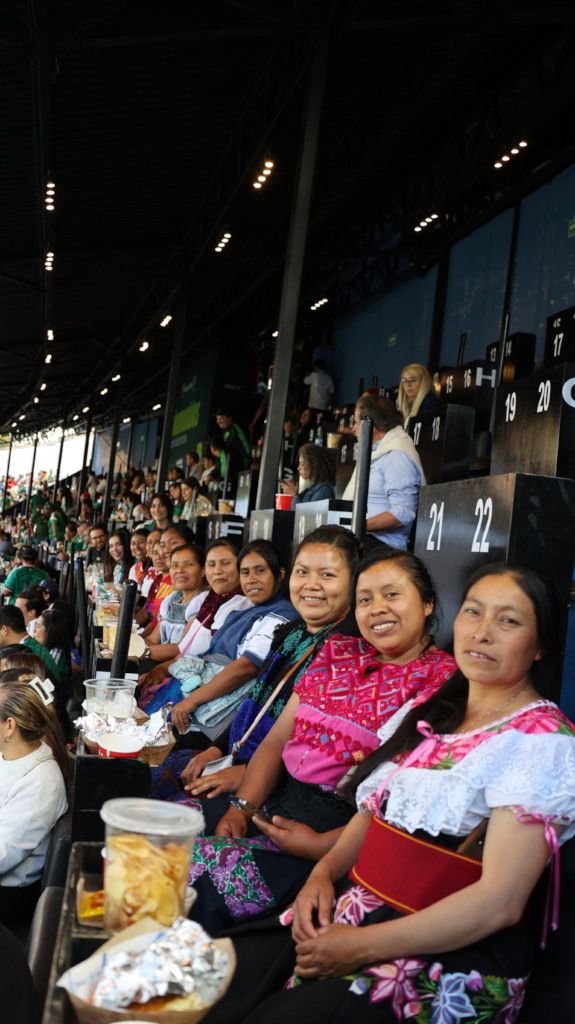
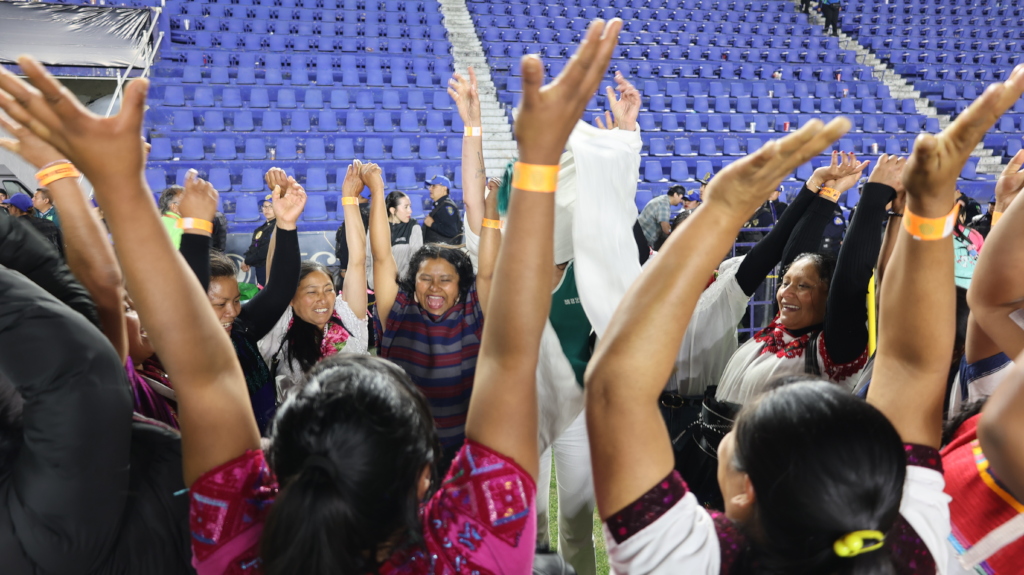
In the framework of International Women’s Day, the Mexican Football Federation, through its Women’s National Team division, invited the artisans as honored guests to attend the match between Mexico and Brazil held on March 7. For many of the participants, this was their first time traveling by airplane and their first opportunity to experience an event of this scale.
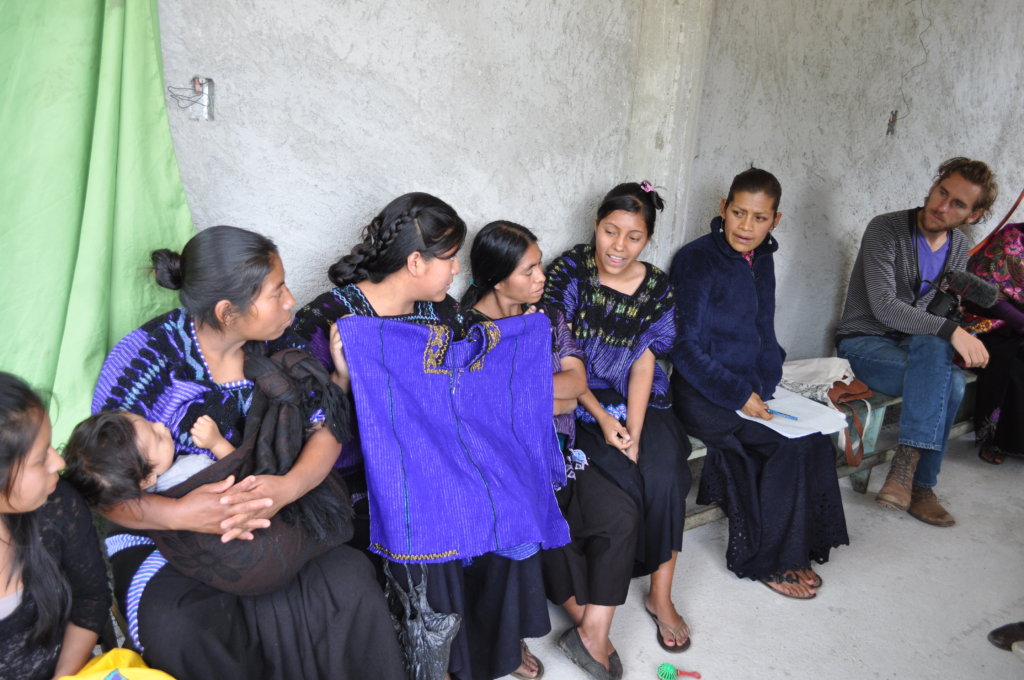
Beyond attending the match, the invitation represented a meaningful recognition of the women’s work, knowledge, and contributions. It also created a space for dialogue and relationship-building that continues to strengthen connections between Indigenous Mayan women artisans and institutions interested in promoting inclusion, culture, and women's leadership.
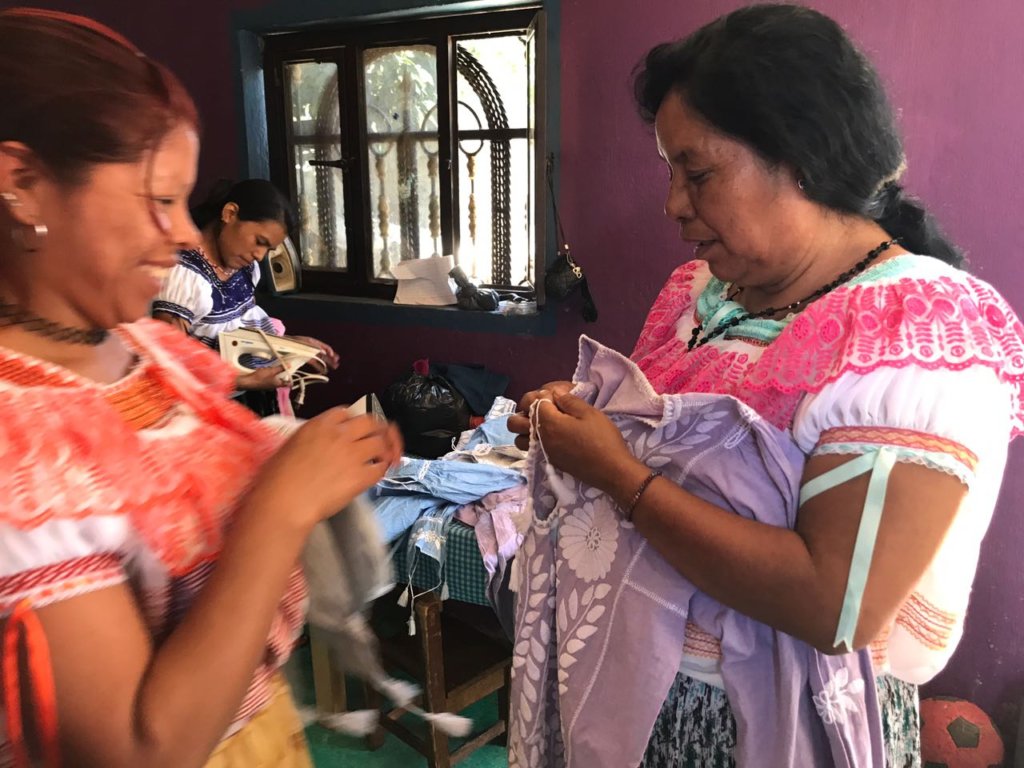
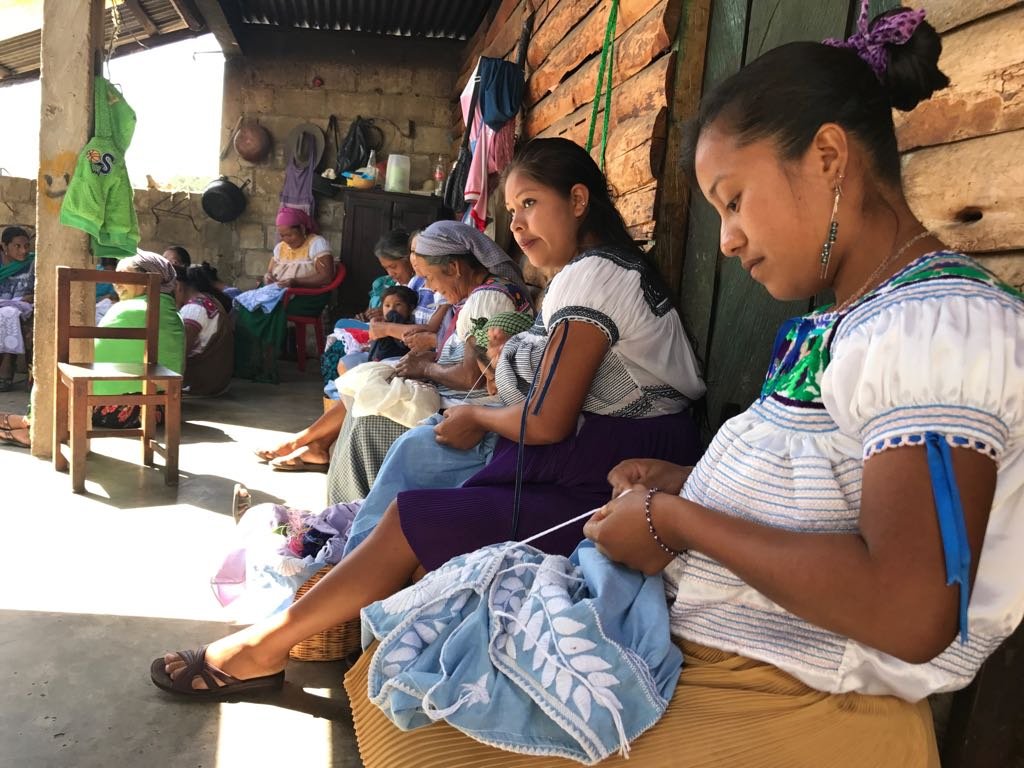
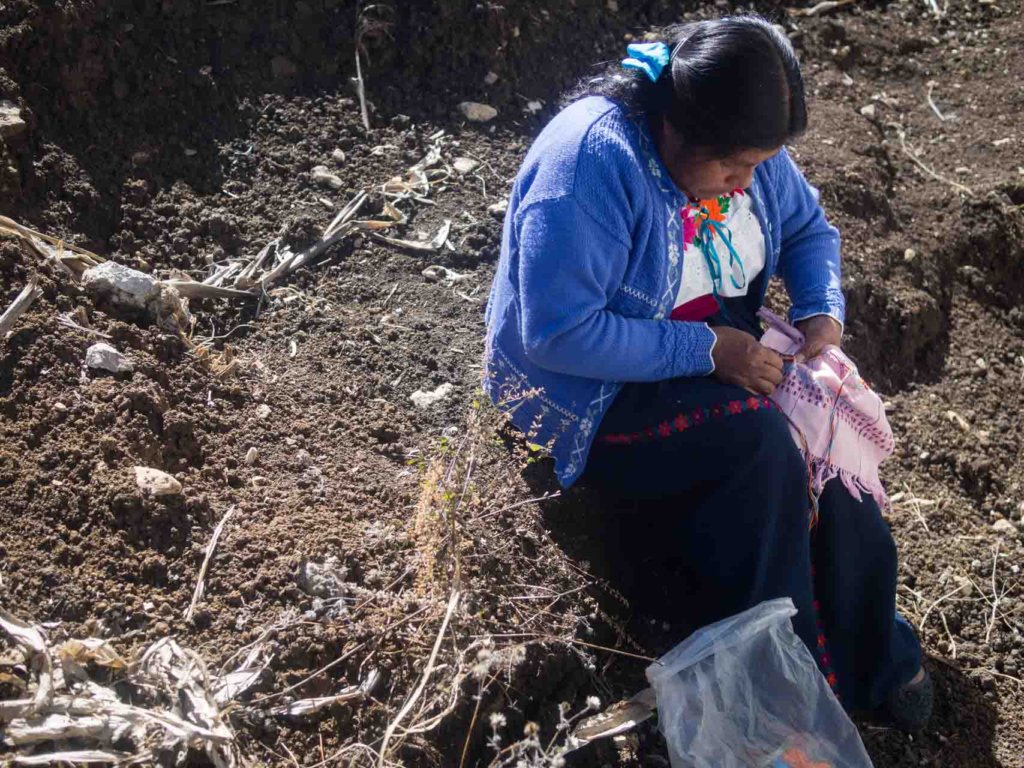
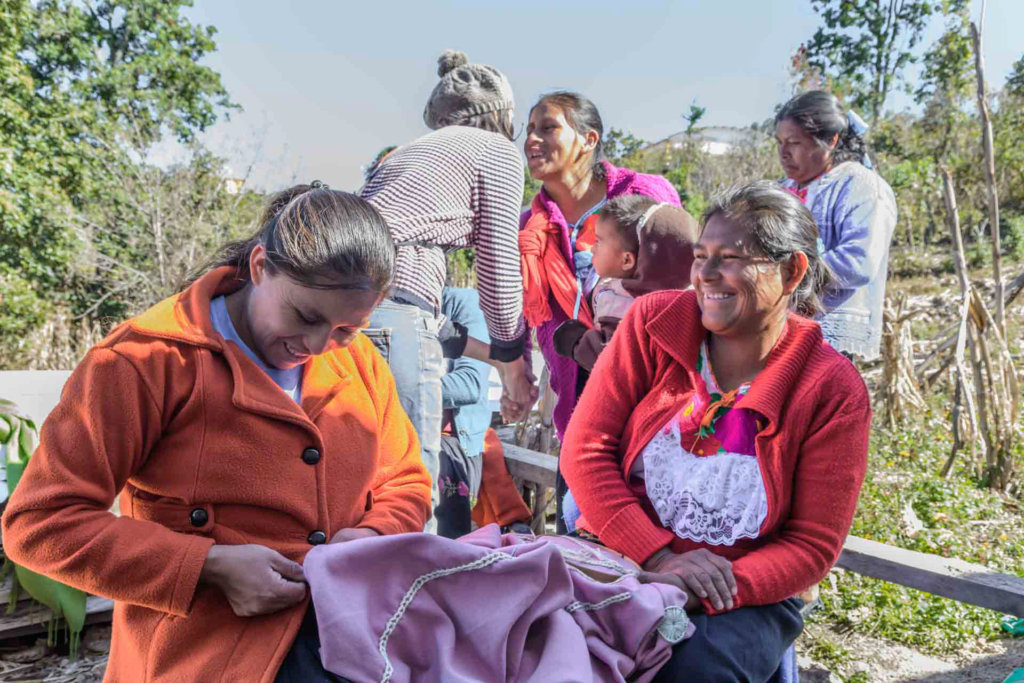
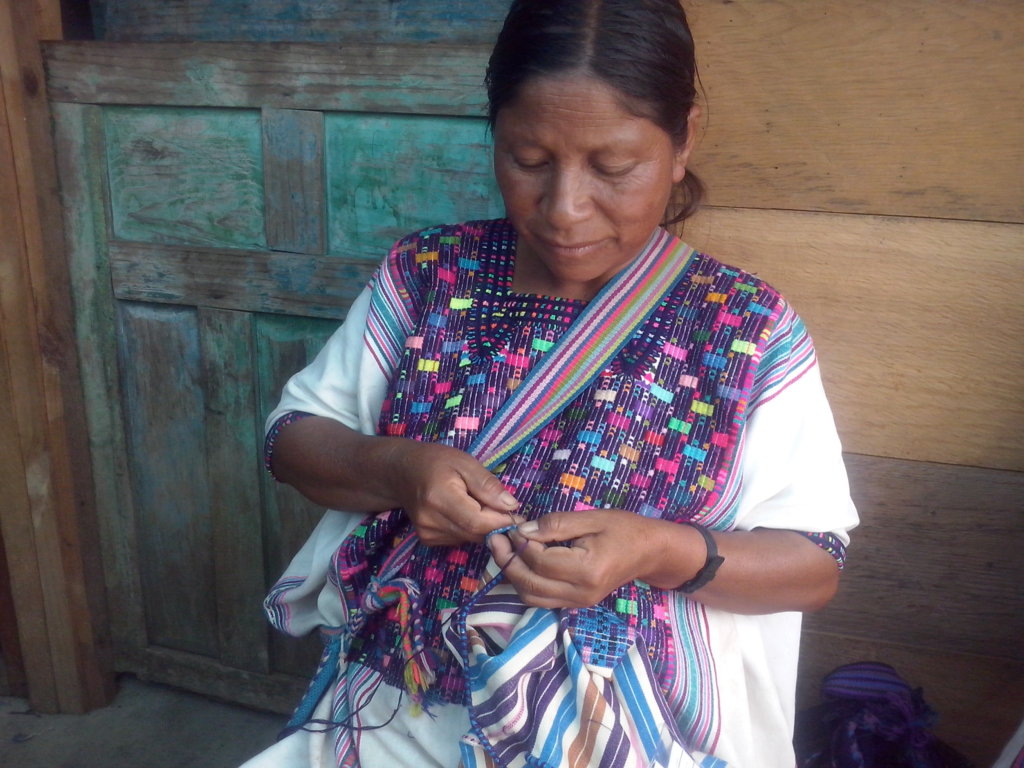
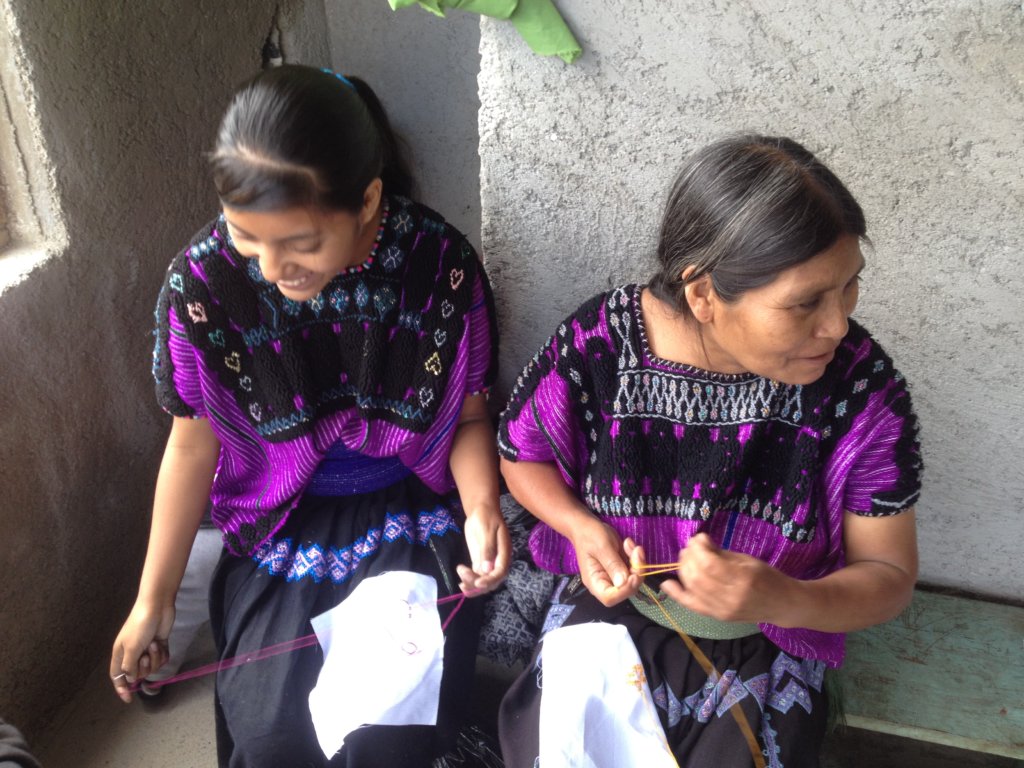
One of the most memorable moments of the trip occurred during the journey itself. Several women were recognized by airline personnel as the artisans who had contributed to the embroidery of his uniforms. What is often invisible labor became visible. The women experienced firsthand how their work had reached spaces and audiences far beyond their communities, generating a profound sense of pride and recognition.
The journey became a powerful reminder that economic participation is about more than generating income. It is also about expanding horizons, building confidence, and creating opportunities for women to engage with new environments, networks, and possibilities.
Beyond the specific activities of the trip, the experience encouraged reflection on the broader role women can play within creative industries. Many participants expressed excitement about future opportunities, collaborations, and pathways for involvement that go beyond textile production alone. These experiences help strengthen aspirations, leadership, and a sense of belonging within larger economic and cultural ecosystems.
At the same time, the relationships strengthened during this period continue to open conversations that may lead to future collaborations and new opportunities for Indigenous Mayan women artisans. These connections help expand access to spaces, networks, and experiences that contribute to their personal, professional, and collective development.
Results & Impact
Beyond measurable outcomes, this experience expanded participants’ sense of what is possible for themselves, their families, and future.
One of the most important learnings from this experience has been recognizing that economic empowerment cannot be measured solely through income generation. Exposure to new environments, networks, and experiences can be equally transformative in shaping confidence, aspirations, and long-term leadership.
The project has also observed how visibility and recognition matter. When women see their work acknowledged in public spaces and by institutions outside their communities, they begin to recognize the broader value of their knowledge and contributions.
Another key learning is that opportunities for mobility and exchange can strengthen participation within the project itself. Experiences that connect women to new places and people often reinforce their motivation to continue learning, organizing, and exploring future opportunities.
The experience also reinforced the importance of creating pathways for Indigenous women to participate in spaces where they have historically been underrepresented. Access to these opportunities helps broaden perspectives while strengthening confidence in their ability to engage with diverse sectors and institutions.
In the coming months, the project will:
For many of the women, the journey was not only about reaching a new destination, but about discovering new possibilities. When Indigenous Mayan women gain access to opportunities, networks, and experiences beyond their immediate surroundings, they strengthen their ability to lead, participate, and shape their own futures.
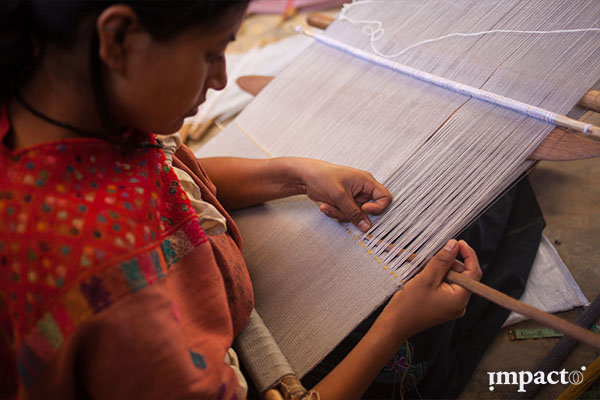
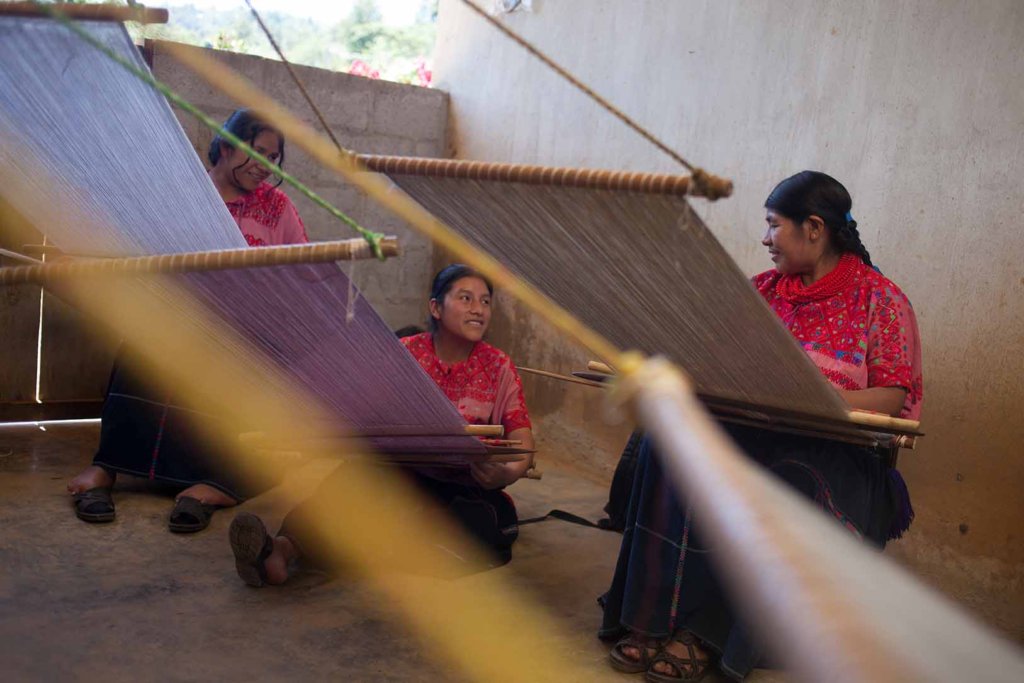
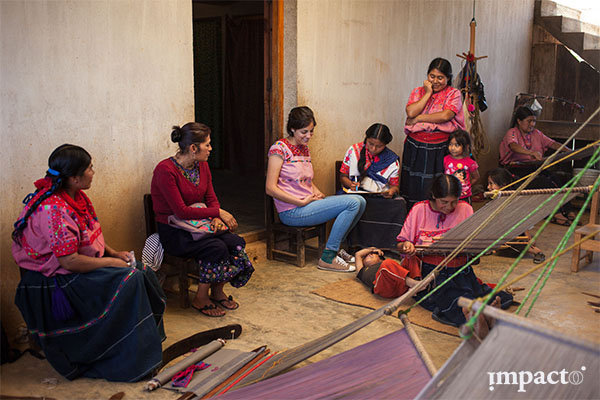
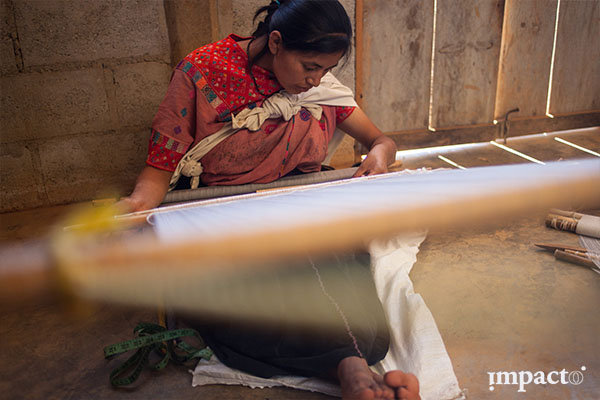
This project continues to demonstrate that empowering women through ancient textiles is not only about preserving cultural heritage or generating income. It is also about creating opportunities for women to expand their horizons, build meaningful relationships, strengthen their leadership, and participate in spaces where their voices, knowledge, and contributions are recognized and valued.
This is also part of Lekil Kuxlejal: creating the conditions for a life lived with dignity, balance, opportunity, and collective wellbeing in personal, family, and community life.
Links:
By Karla Aguerrebere | Project Leader
By Karla Aguerrebere | Project Leader
Project reports on GlobalGiving are posted directly to globalgiving.org by Project Leaders as they are completed, generally every 3-4 months. To protect the integrity of these documents, GlobalGiving does not alter them; therefore you may find some language or formatting issues.
If you donate to this project or have donated to this project, you can receive an email when this project posts a report. You can also subscribe for reports without donating.



Support this important cause by creating a personalized fundraising page.
Start a Fundraiser