By Gabriel Espasas Schwab | President, PHA Forest Board
Dear Friend of the Pterocarpus Forest,
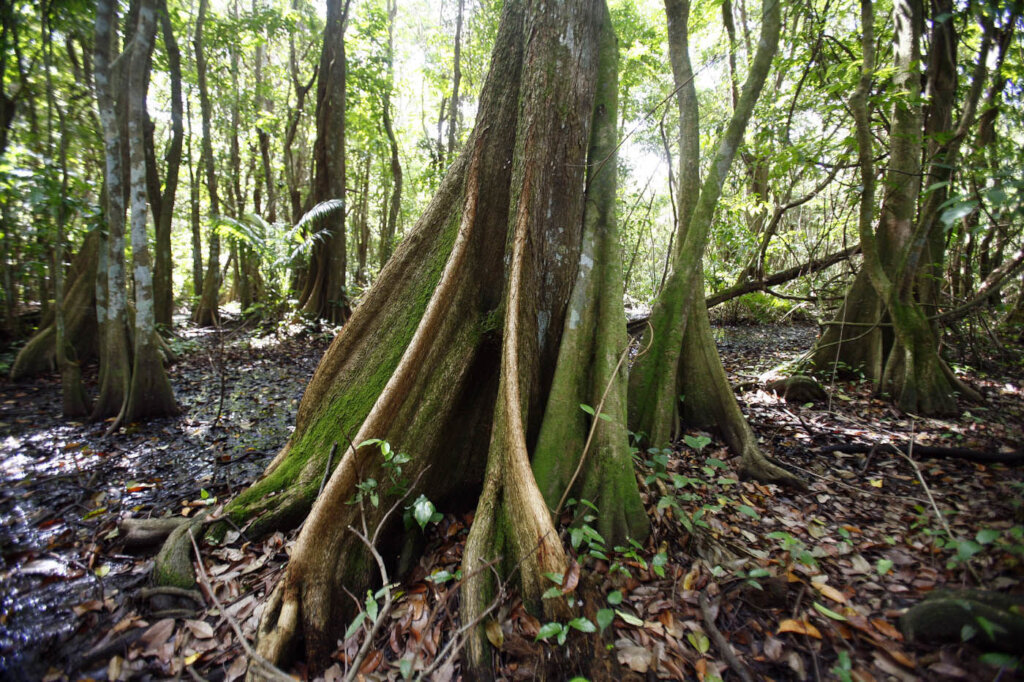
The first months of 2026 have been a period of steady progress for the Pterocarpus Forest. From the expansion of educational initiatives and the growth of scientific documentation to visible improvements in access, signage, and maintenance, the Forest continues to strengthen as a space for conservation, learning, recreation, and discovery.
This progress depends on ongoing stewardship—maintaining safe public access, preserving the Forest’s ecological integrity, strengthening the educational resources that help visitors understand why this rare ecosystem matters, and carrying out the continuous maintenance that open-air facilities in a tropical environment inevitably require. Thanks to the support of donors, volunteers, researchers, and the Palmas community, that work continues to move forward.
Education and Outreach Continue to Grow
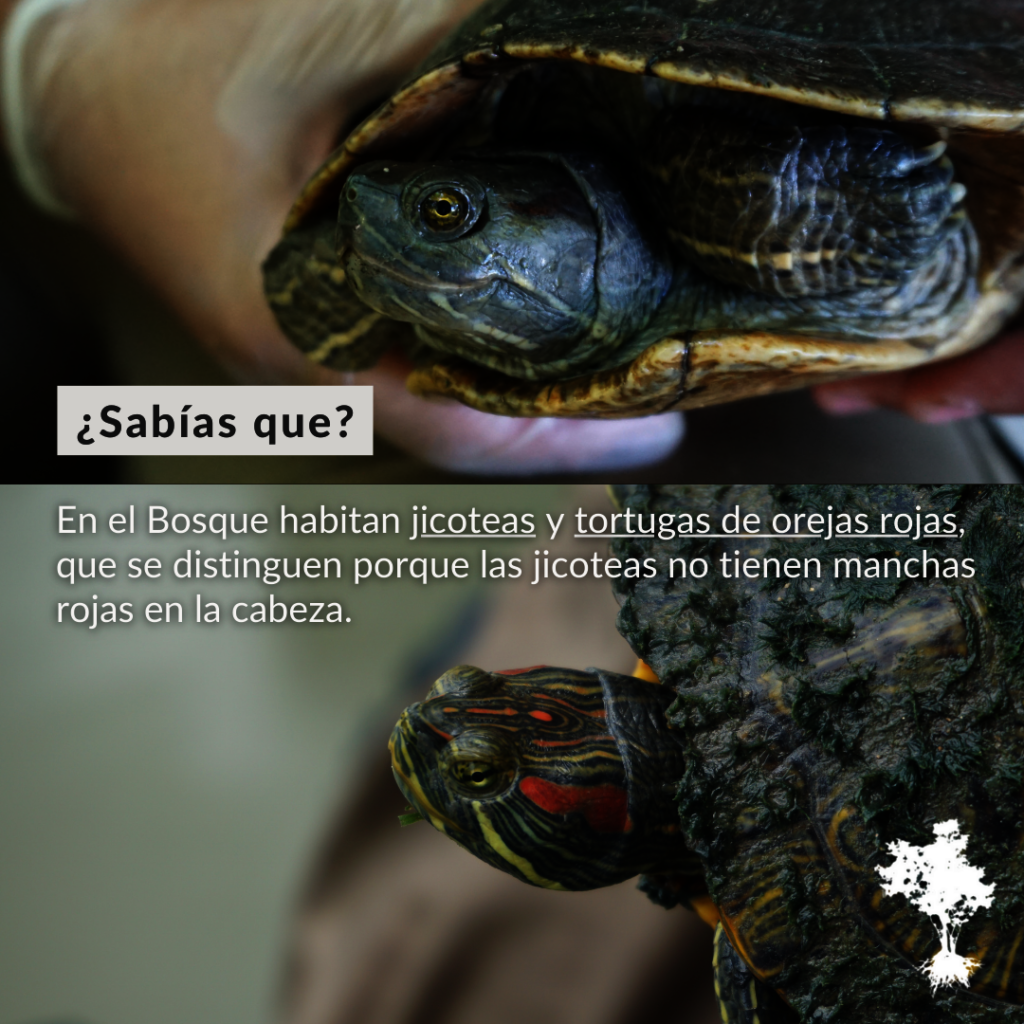
Environmental education remains central to the Forest’s mission. Through social media, interpretive materials, and digital learning tools, the Forest continues reaching audiences both inside and beyond Palmas del Mar.
The Forest now reaches approximately 7,700 followers on Facebook and 4,212 followers on Instagram (up from approximately 3,900 in January), with continued visibility through Google reviews, photographs, and visitor comments. Educational content about biodiversity, ecological functions, conservation, and visitor experiences is shared regularly across platforms. This effort includes a minimum of 12 educational publications monthly, including reels, as well as
8 interactive stories, helping visitors and supporters remain connected to the Forest’s evolving story throughout the year.
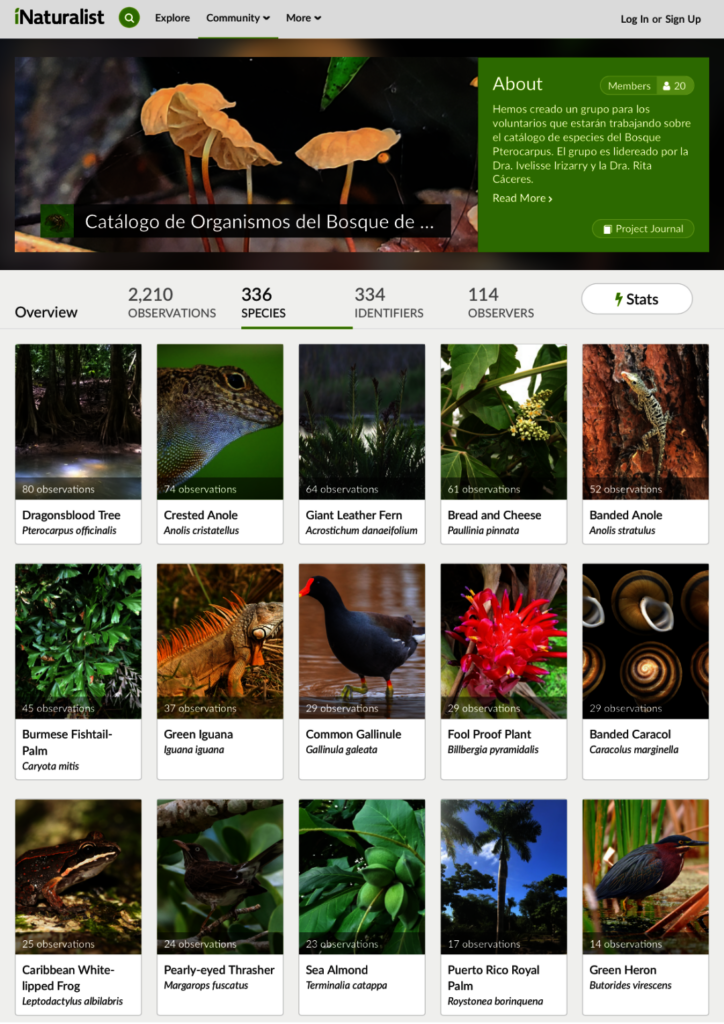
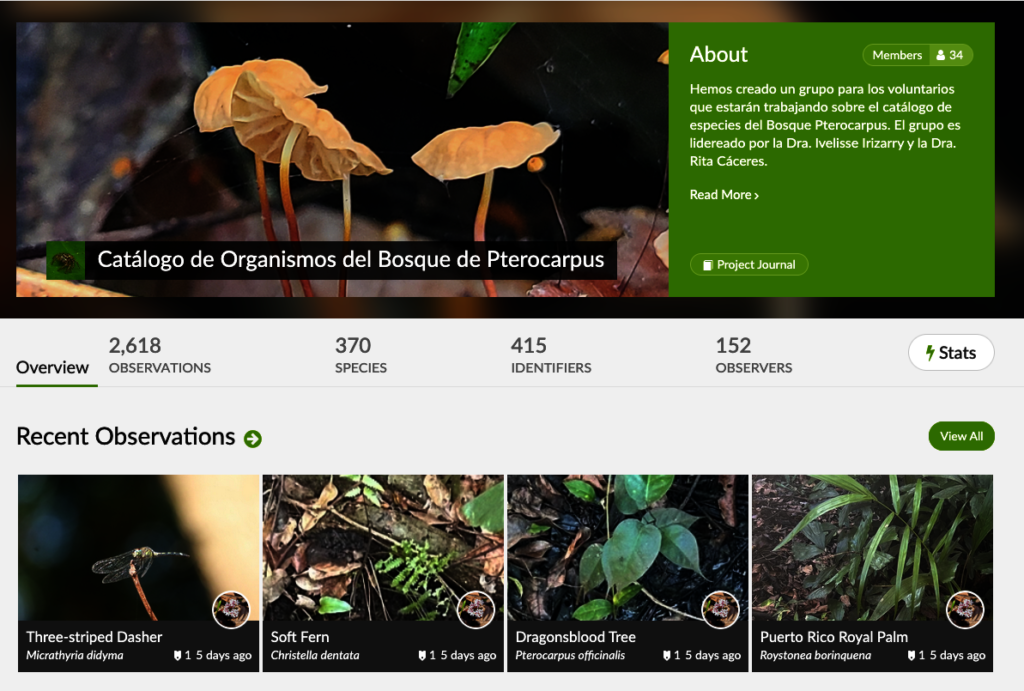
The Forest’s biodiversity catalogue on iNaturalist also continues to expand. As of May 31, the catalogue includes 2,868 observations (up from 2,628 in January), documenting 385 species of flora, fauna, fungi, and other organisms found within the 52-acre preserve and adjacent passive recreation area.
This growing inventory reflects both the richness of the Forest and the dedication of researchers and citizen scientists contributing to its long-term study and protection.
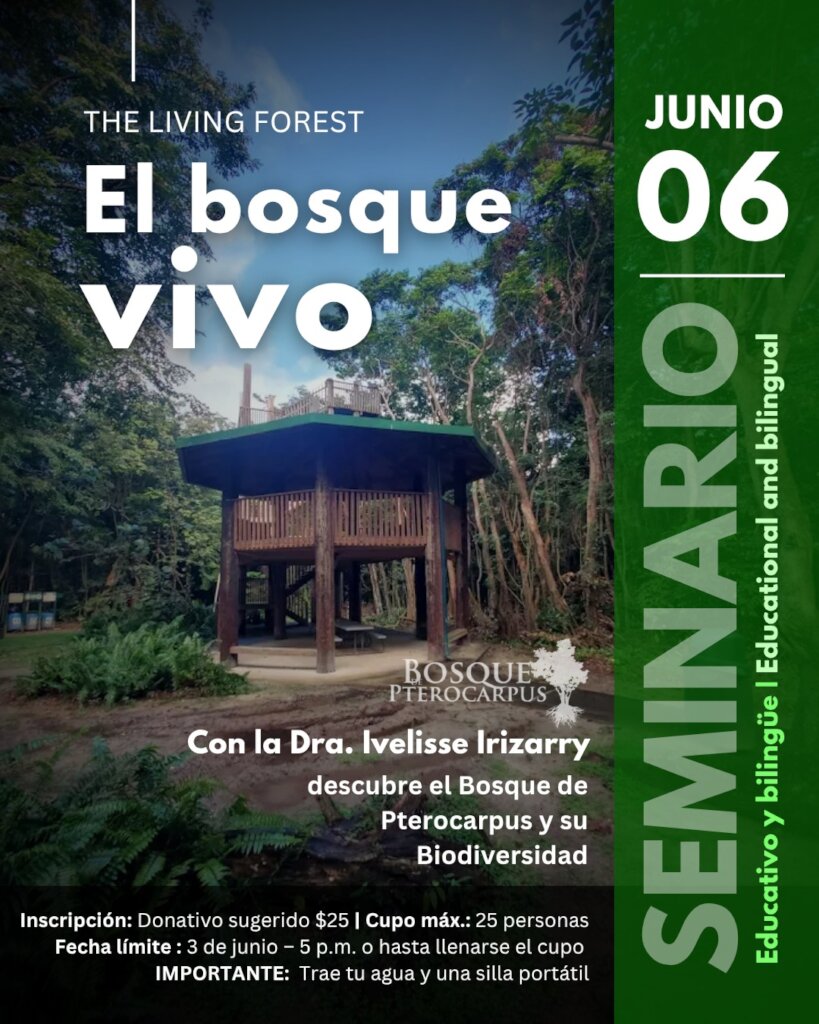
The Forest has also begun the promised expansion its educational offerings through a new Educational Field Seminar Series.
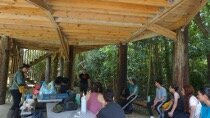
The first seminar, The Living Forest, held on June 6, brought together participants for a morning of learning, discovery, and connection with nature led by Dra. Ivelisse Irizarry, a university professor and leader of the Forest’s biodiversity cataloguing efforts. Through an engaging presentation, participants explored the extraordinary biodiversity of the Pterocarpus Forest and its role as a living laboratory for science, education, and conservation.
Drawing on her in-depth knowledge of the ecosystem and longstanding involvement with research at the Forest, Dra. Irizarry encouraged active interaction with participants while helping deepen their understanding of the ecological importance of this rare wetland. She also provided an accessible introduction to the iNaturalist platform, showing how easily visitors can document species observations and contribute as citizen scientists to the long-term study and protection of the Forest. View the Catalogue: https://www.inaturalist.org/projects/catalogo-de-organismos-del-bosque-de-pterocarpus
Investing in Self-Guided Learning
Visitors returning to the Forest this spring have encountered a cleaner, safer, and more welcoming learning environment.
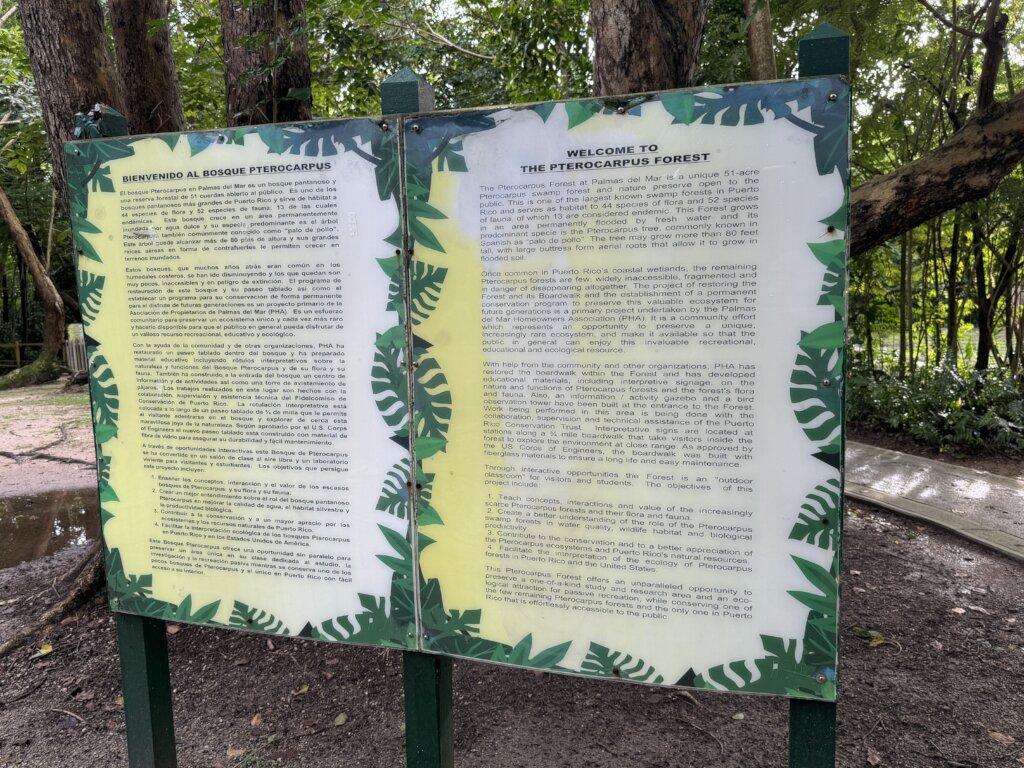
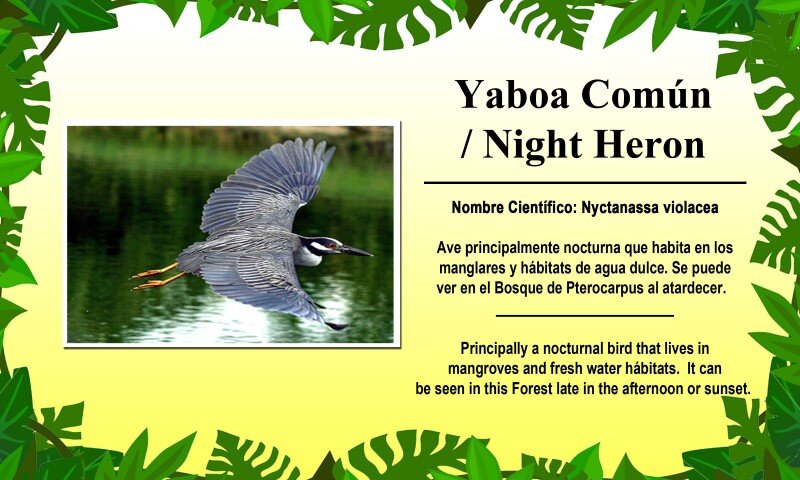
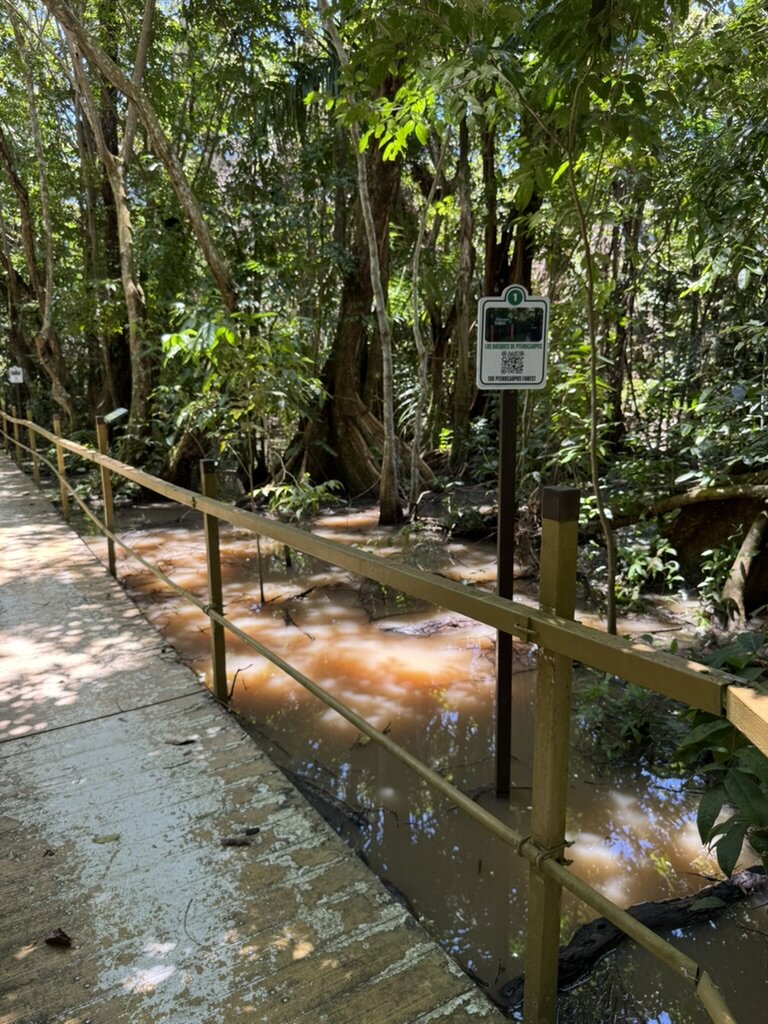
Over the past several months, the organization completed the replacement of more than 30 interpretive signs along the paseo elevado and around the pond. Many of the earlier signs had weathered years of tropical sun and rain or had been damaged by natural events such as falling tree limbs. The new signage provides updated information on biodiversity, ecological functions, and the conservation value of this unique wetland ecosystem.
The Forest’s network of QR-based educational resources also continues to provide year-round access to information about biodiversity, Hurricane María recovery, and ecological functions—allowing visitors to learn at their own pace while walking the trail.
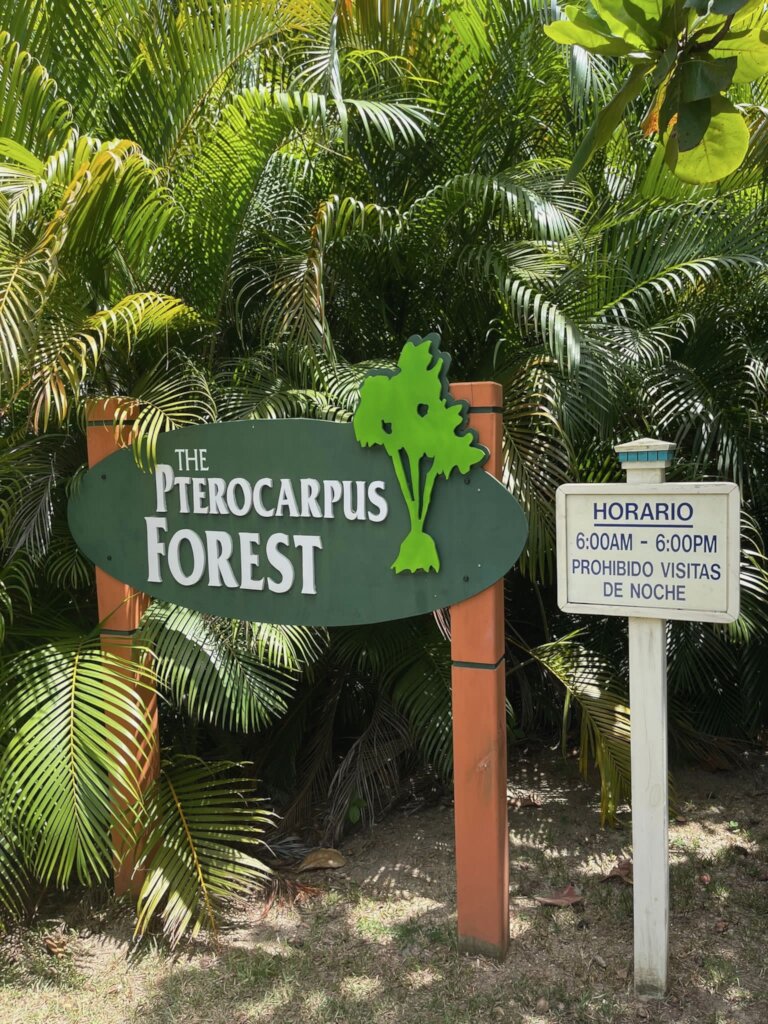
Major welcoming and orientation signage at the Forest entrance—part of the organization’s continuing effort to communicate the Forest’s ecological value and ensure a high-quality visitor experience—has also been updated and is expected to be installed by mid-June.
Steady Progress on Visitor Access and Infrastructure
Maintaining safe public access to the Forest remains a major priority.
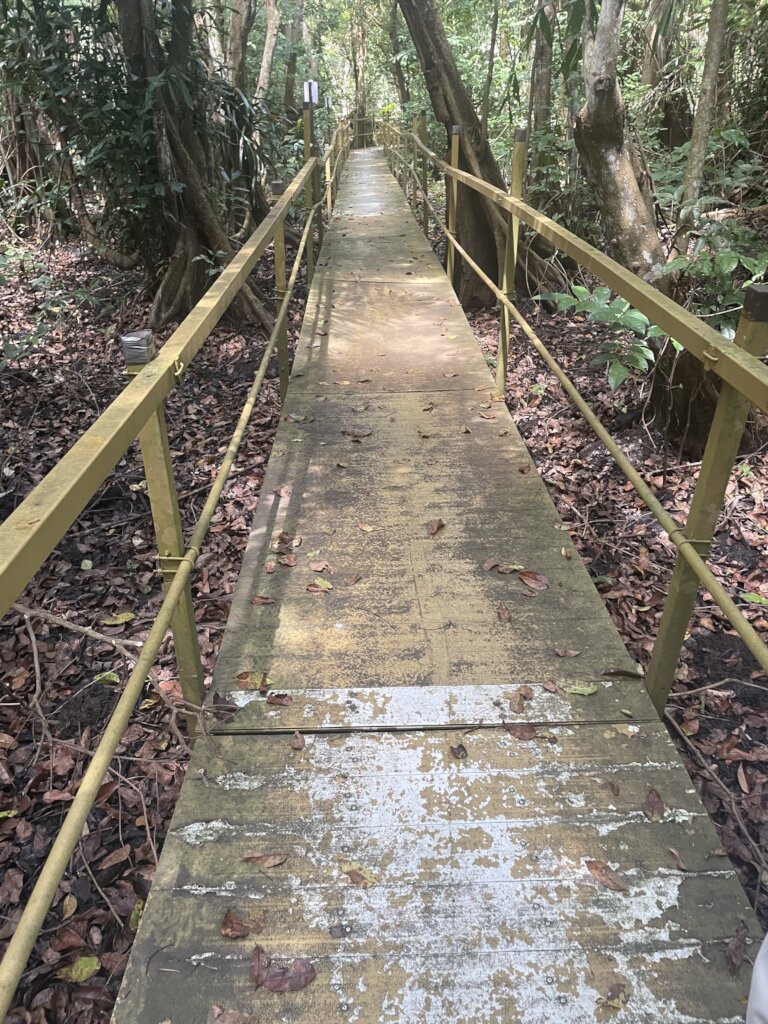
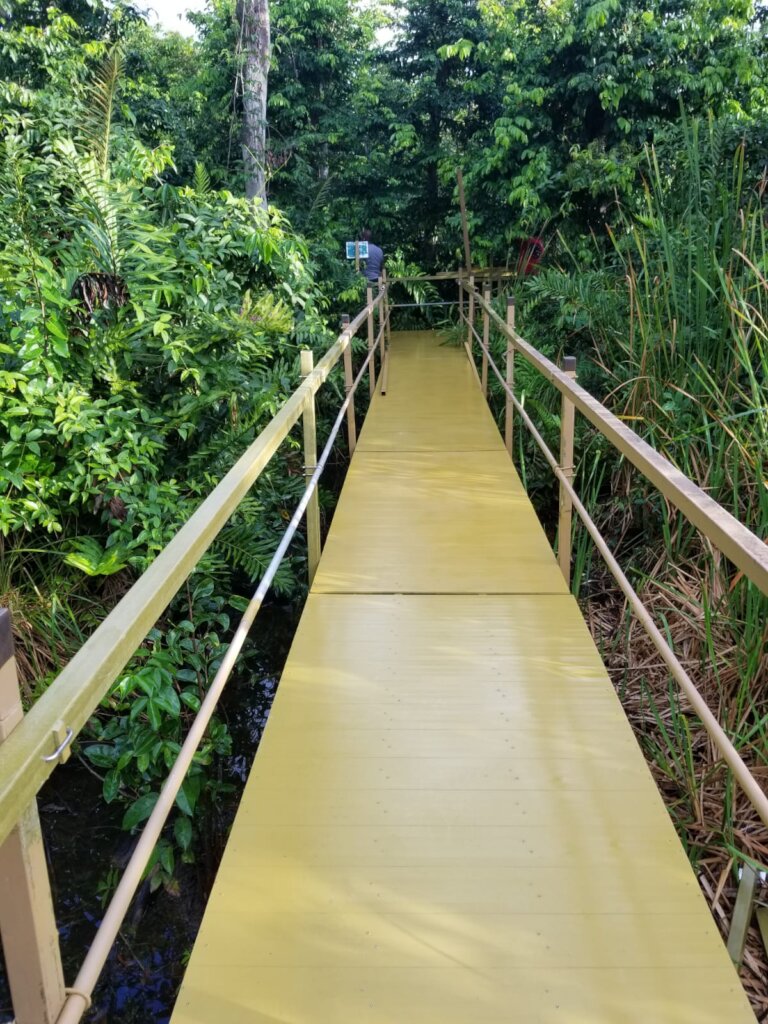
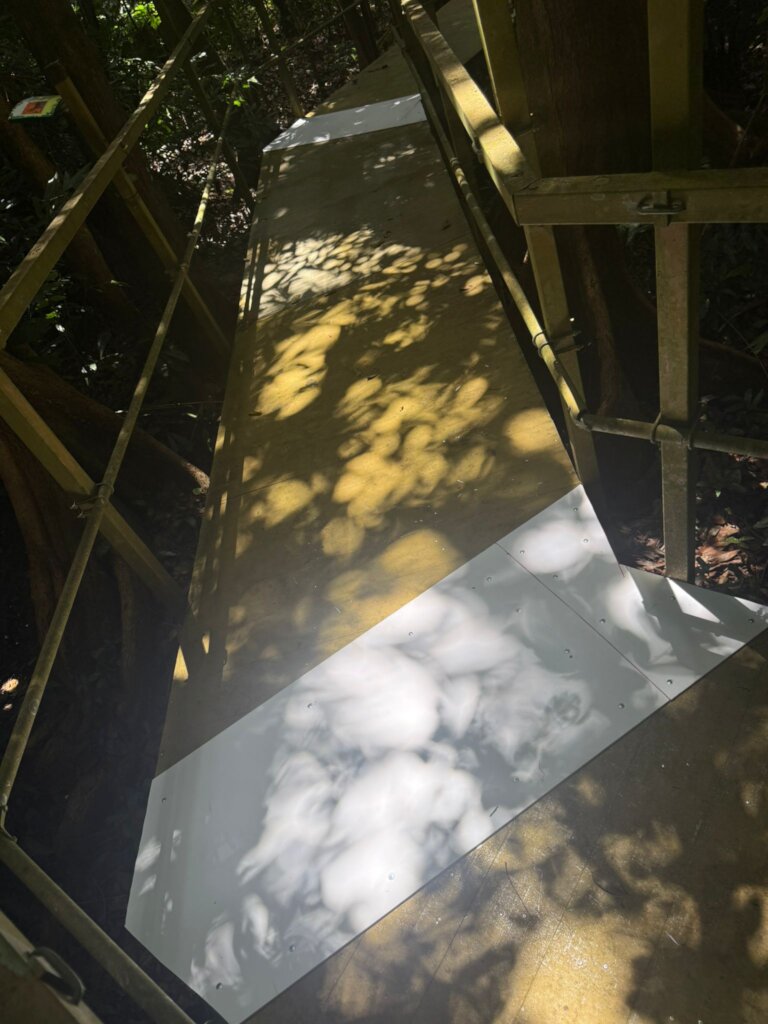
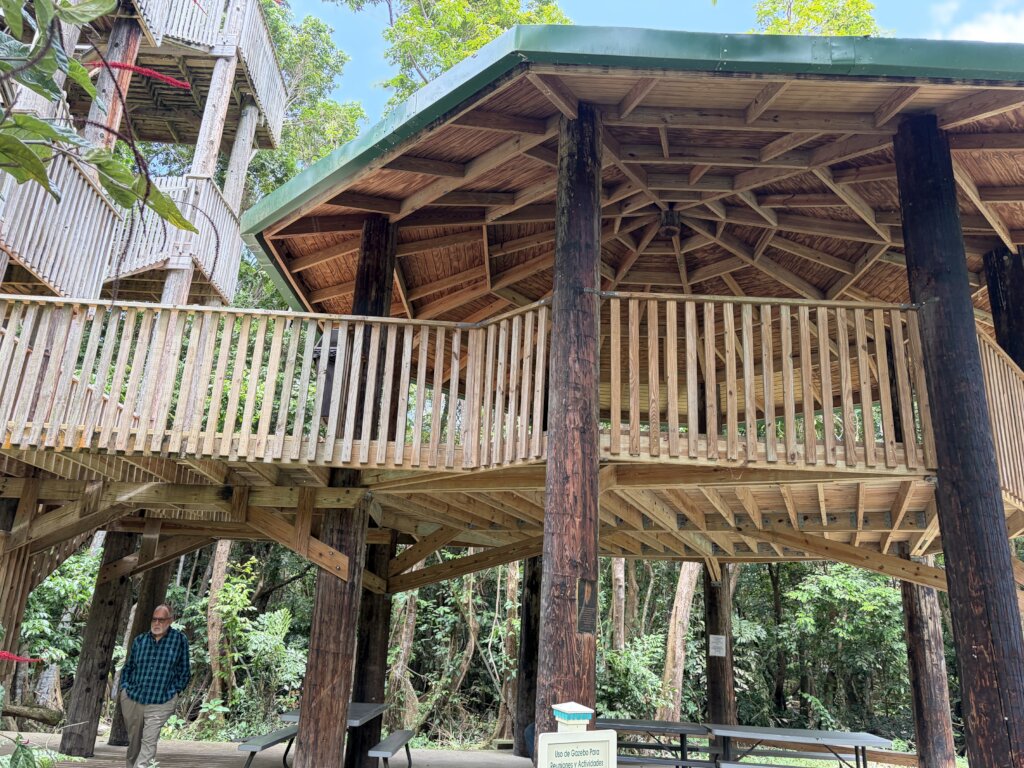
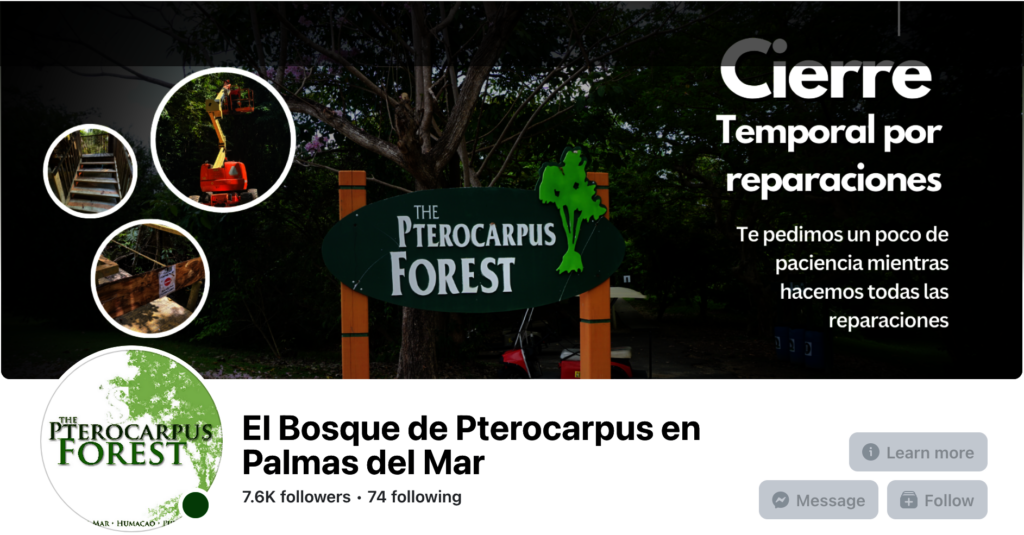
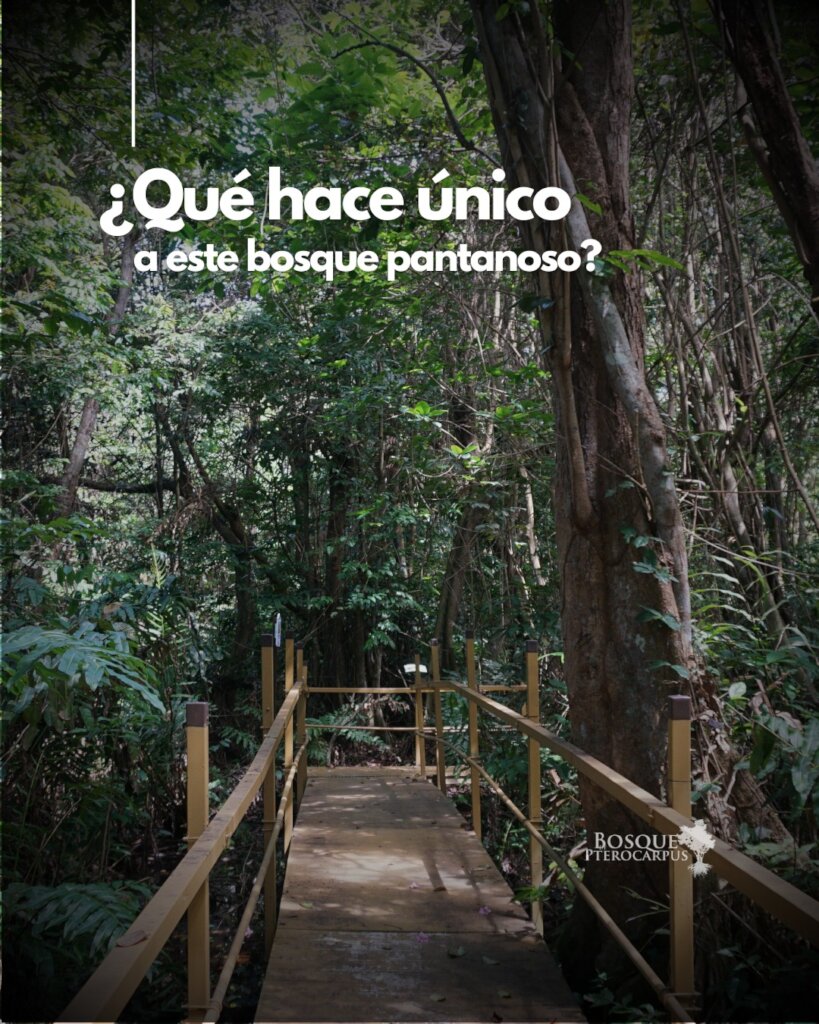
During the first months of 2026, almost the entire elevated boardwalk became accessible once again following extensive repairs and cleaning. Improvements to sections of the boardwalk, along with work completed at the gazebo and visitor gathering area, have strengthened the Forest’s ability to safely welcome visitors, students, and community groups.
These efforts are especially important because the Forest serves thousands of annual visitors seeking recreation, learning, and connection with nature.
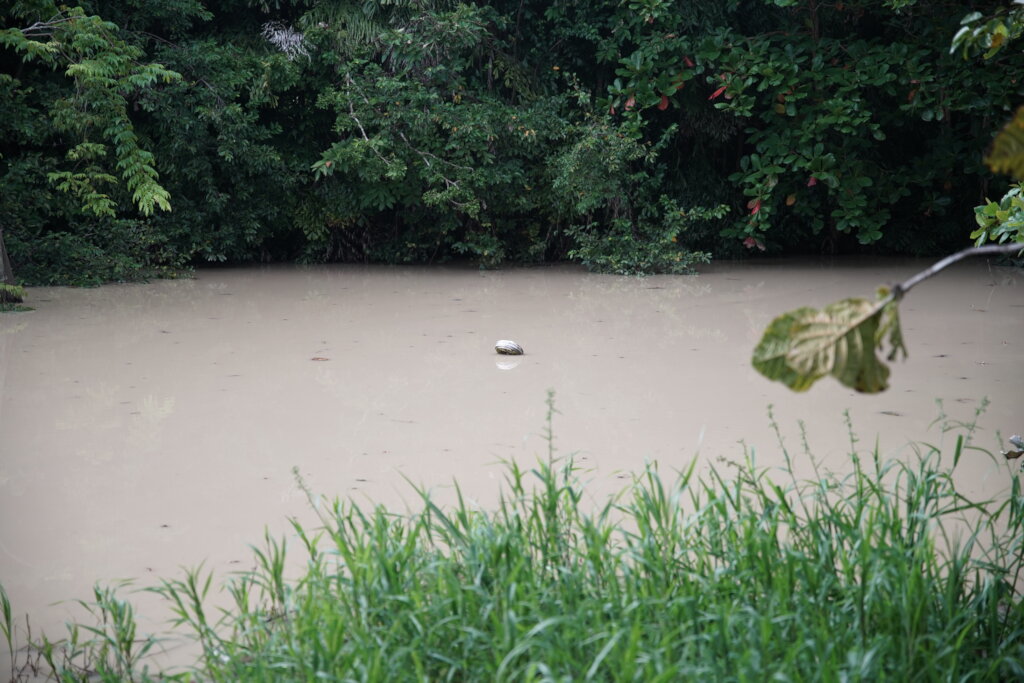
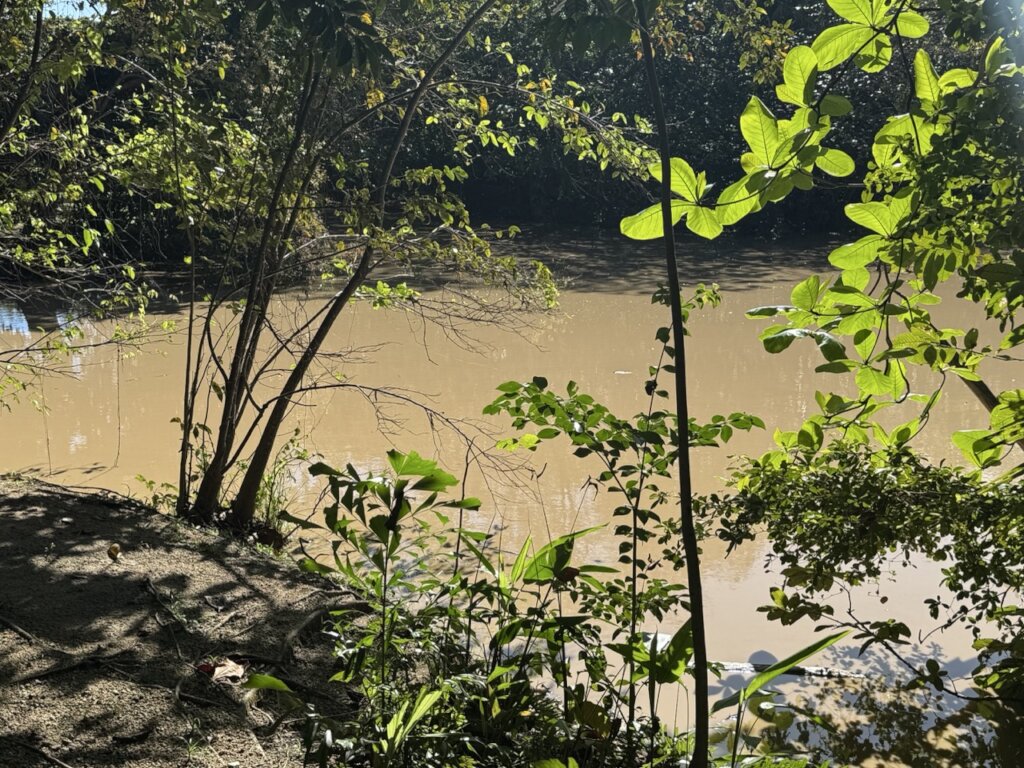
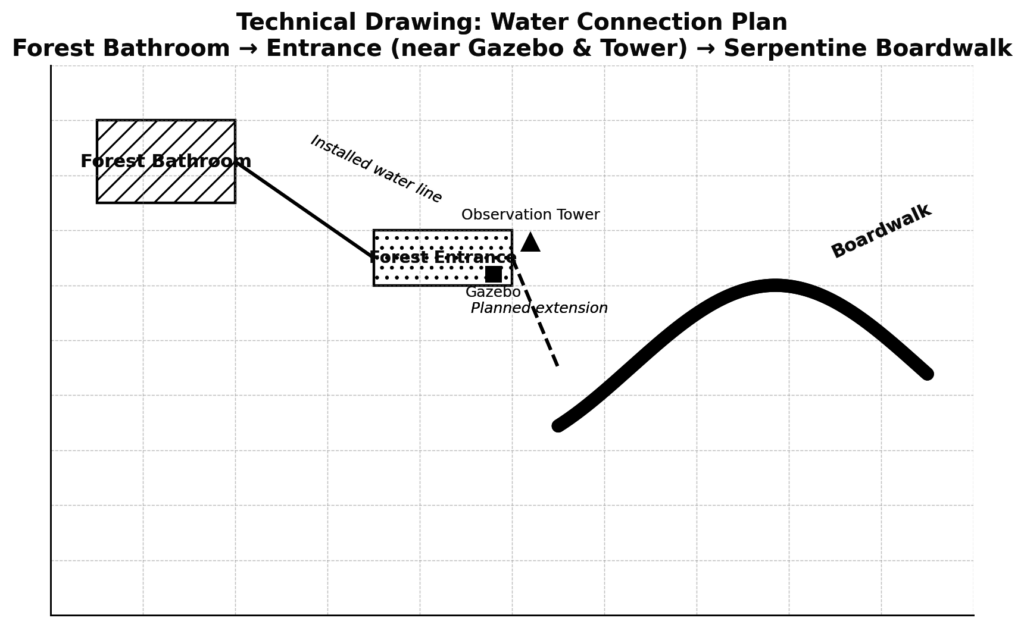
The organization also continues monitoring changing conditions affecting the pond and surrounding wetland areas. Increased sediment entering the pond has altered water clarity in recent months, requiring careful observation and evaluation. Before a new aeration system is installed, the organization is assessing whether additional environmental management measures may be necessary to help restore optimal conditions.
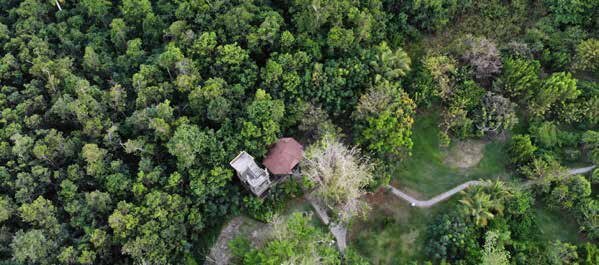
At the same time, the future of the Forest’s observation tower is being carefully evaluated. While the structure remains a familiar landmark, vegetation growth over the years has significantly changed the panoramic views once available from the top. Rising repair costs and ecological considerations have prompted thoughtful discussion about how best to steward this feature while remaining faithful to the Forest’s conservation mission.
Support, Stewardship, and Looking Ahead
The continued operation of the Pterocarpus Forest depends on a strong partnership between the Friends of the Forest, the Palmas del Mar Homeowners Association, and supporters like you.
Major maintenance and infrastructure improvements continue to rely heavily on the technical and financial support of the Palmas del Mar Homeowners Association, whose commitment has been essential in helping preserve safe public access to the Forest. At the same time, support raised by the Friends of the Forest continues to strengthen environmental education, interpretive materials, biodiversity documentation, digital outreach, and public engagement.
As summer begins, the Forest looks forward to expanding opportunities for learning and community engagement while continuing the work needed to preserve this extraordinary ecosystem. Priorities for the coming months include:
Every repaired sign, every educational post, every visitor who pauses to learn about the Forest’s ecology, and every effort to maintain safe public access contributes to the long-term stewardship of one of Puerto Rico’s rarest and most ecologically significant ecosystems.
Thank you for continuing to be part of this work.
Links:
By Gabriel Espasas | President, PHA Forest Board
By Gabriel Espasas | President, PHA Forest Board
Project reports on GlobalGiving are posted directly to globalgiving.org by Project Leaders as they are completed, generally every 3-4 months. To protect the integrity of these documents, GlobalGiving does not alter them; therefore you may find some language or formatting issues.
If you donate to this project or have donated to this project, you can receive an email when this project posts a report. You can also subscribe for reports without donating.



Support this important cause by creating a personalized fundraising page.
Start a Fundraiser