By Stephanie Kong | Managing Director
Dear Friends,
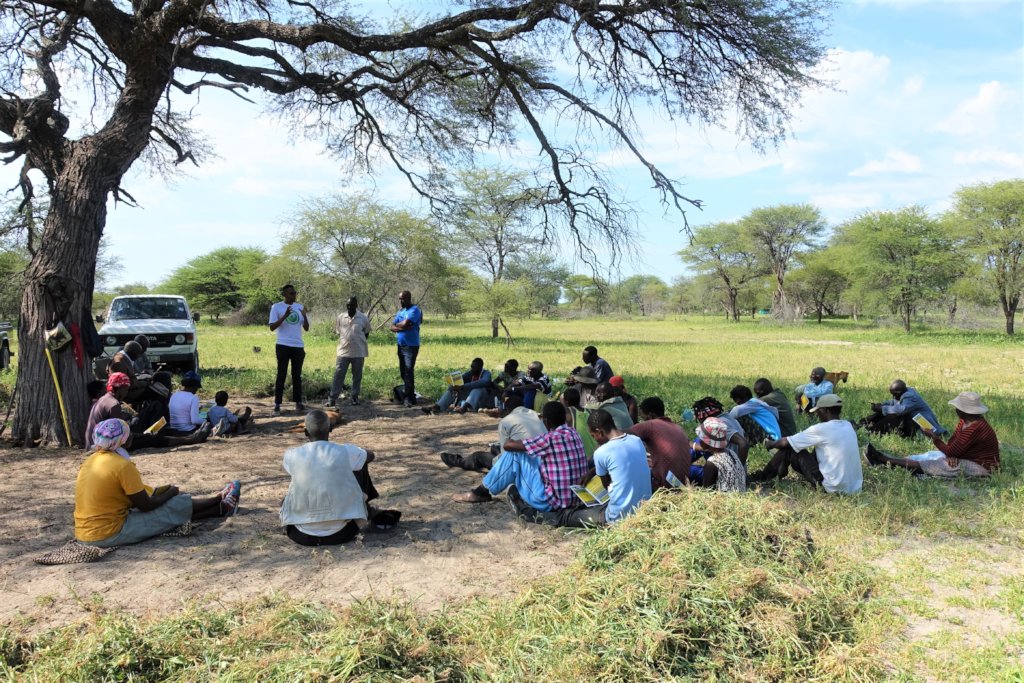
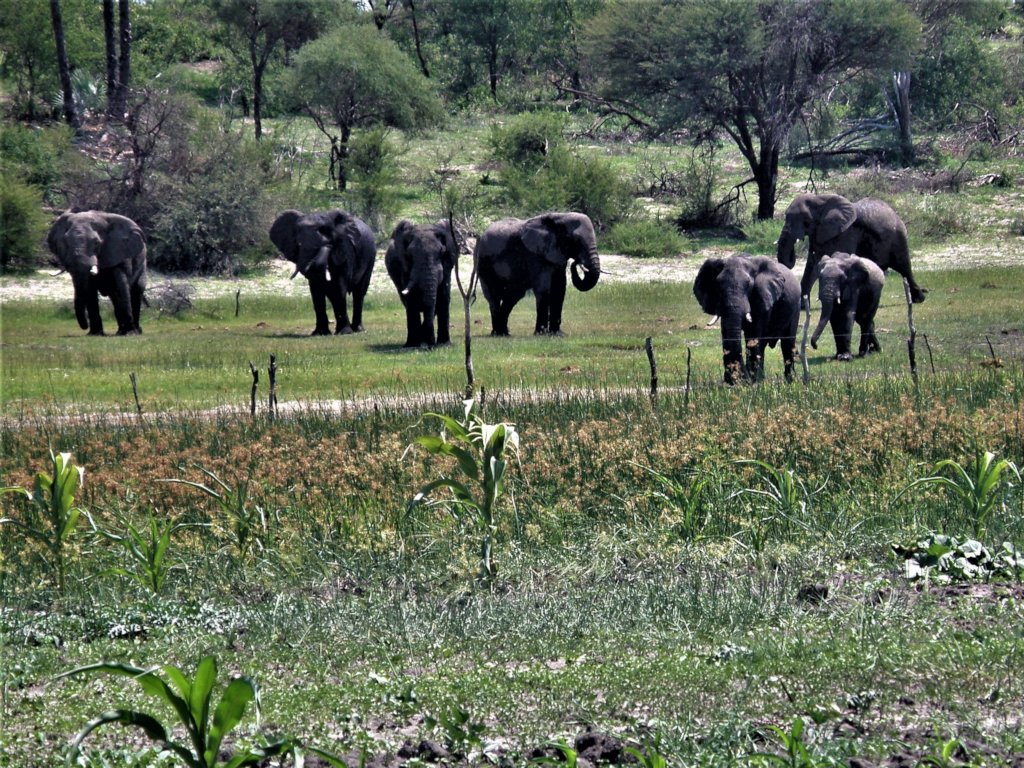
Elephants for Africa has spent 17 years building a strong foundation in the Boteti region. Through sustained community outreach and consistent presence on the ground, we have developed deep roots in this landscape and trusted relationships with the communities who share it with elephants. That foundation does more than support our own research; it makes us the natural home for visiting international researchers who want to study elephants in Botswana.
This gives us a unique position. While our own research programme focuses on elephant behaviour and movement in the Makgadikgadi-Nxai Pans ecosystem, our presence and partnerships open the door to a much wider range of elephant science than we could pursue alone. From cognition to conflict, genetics to community dynamics, we are able to support projects that complement and expand what we know about the elephants in this remarkable region.
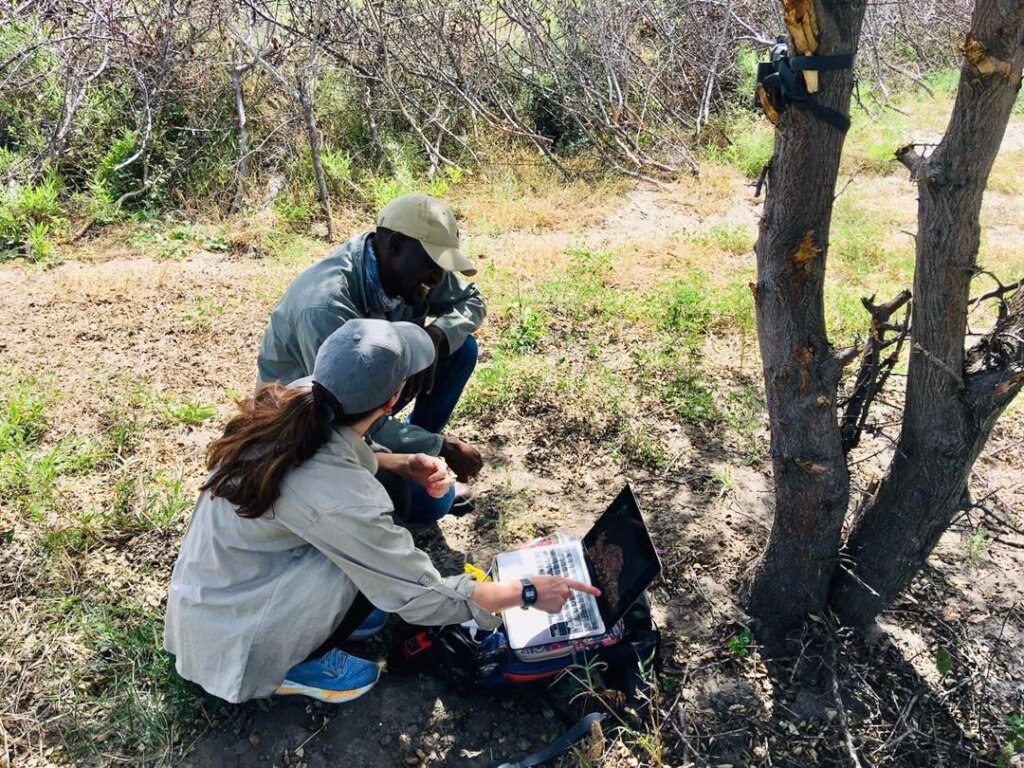
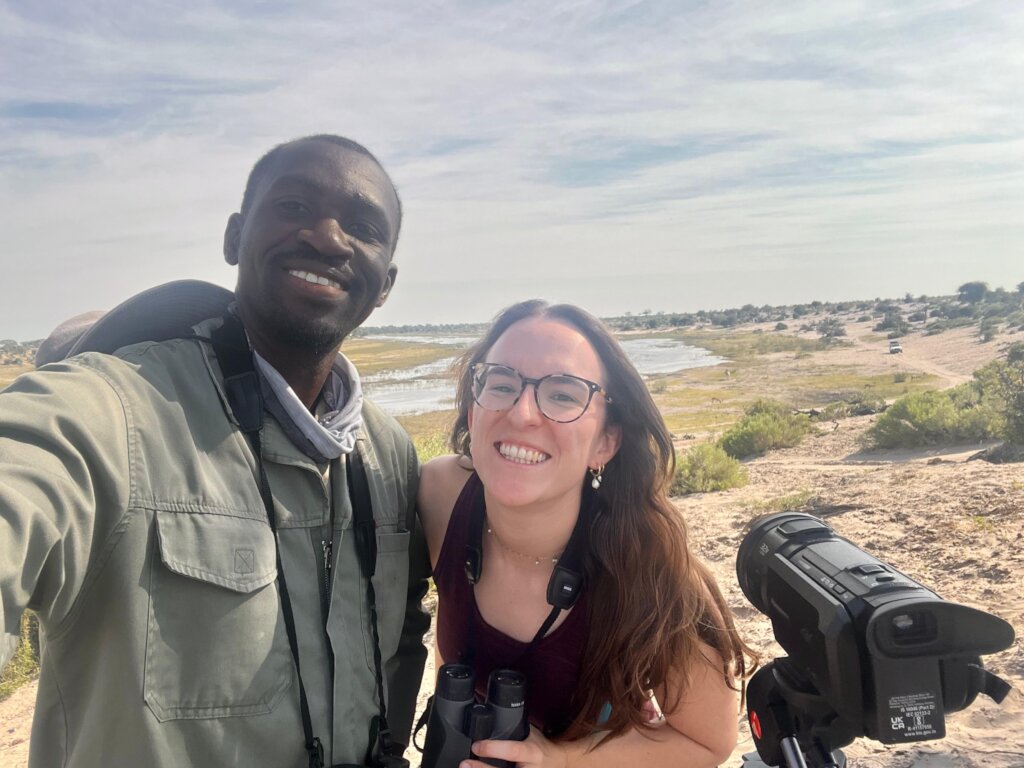
This update shares the first progress report from one such collaboration: a new study led by PhD researcher Rachel Thomson from the University of Portsmouth, UK, in partnership with the Okavango Research Institute. Our Research Officer TT has been a key player throughout, and EfA's years of historical data help anchor this novel research.
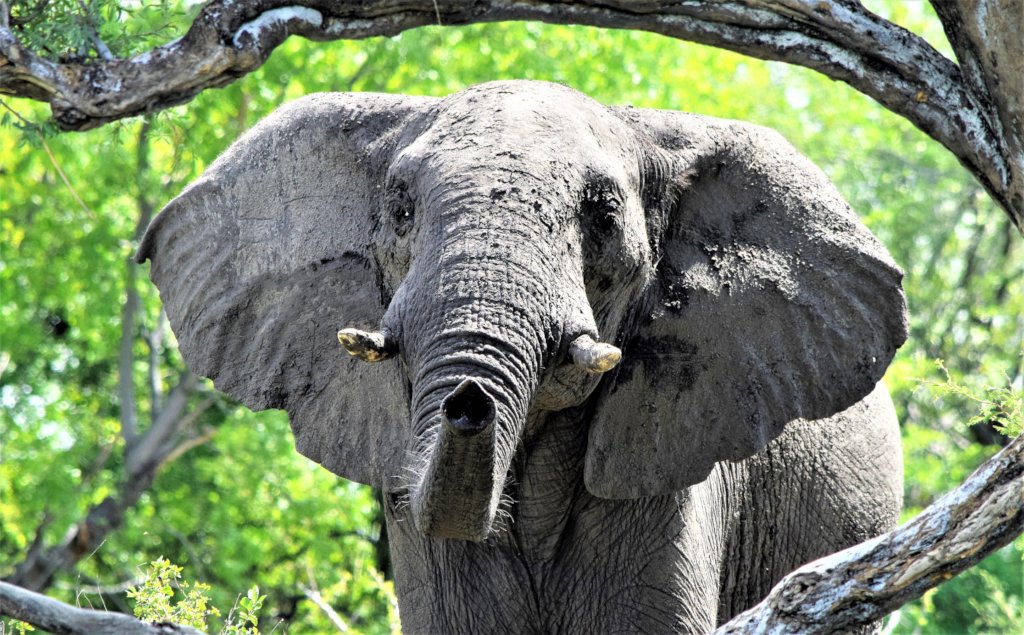
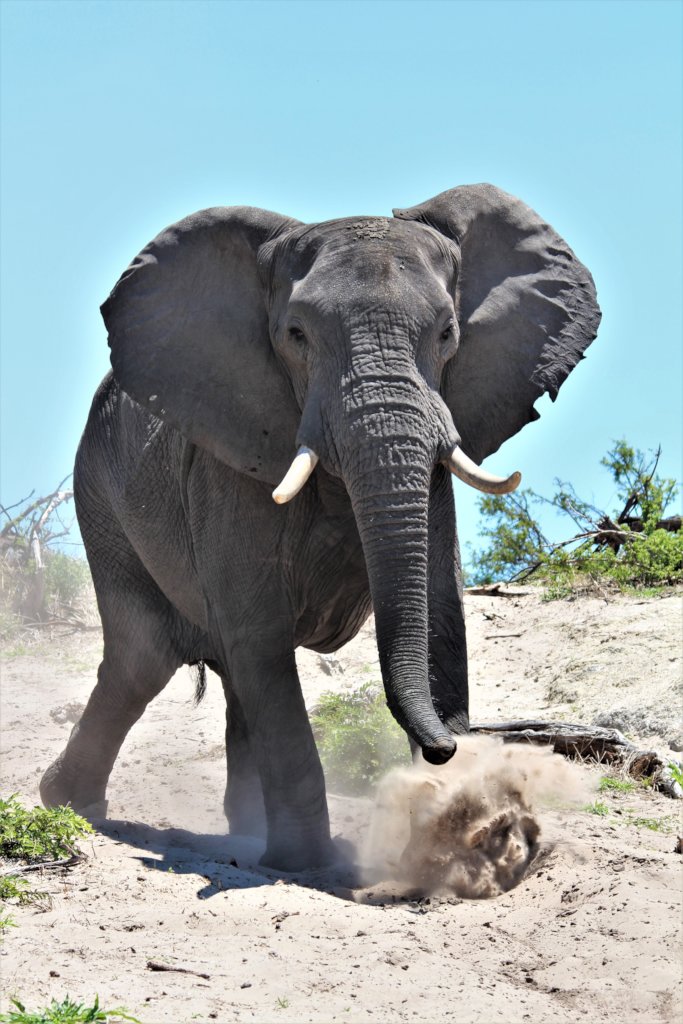
At its heart, the study asks a simple but powerful question: does elephant personality drive conflict? The hypothesis is that curiosity (a measurable personality trait) may be a key driver of crop-raiding behaviour. An elephant naturally drawn to investigate new things may also be more likely to approach a farm and overcome whatever stands in the way. If that link can be established, it would open up an entirely new approach to conflict mitigation: one based on individual behavioural profiles rather than geography or season alone. This approach has been explored in captive elephant populations, but never before in wild ones.
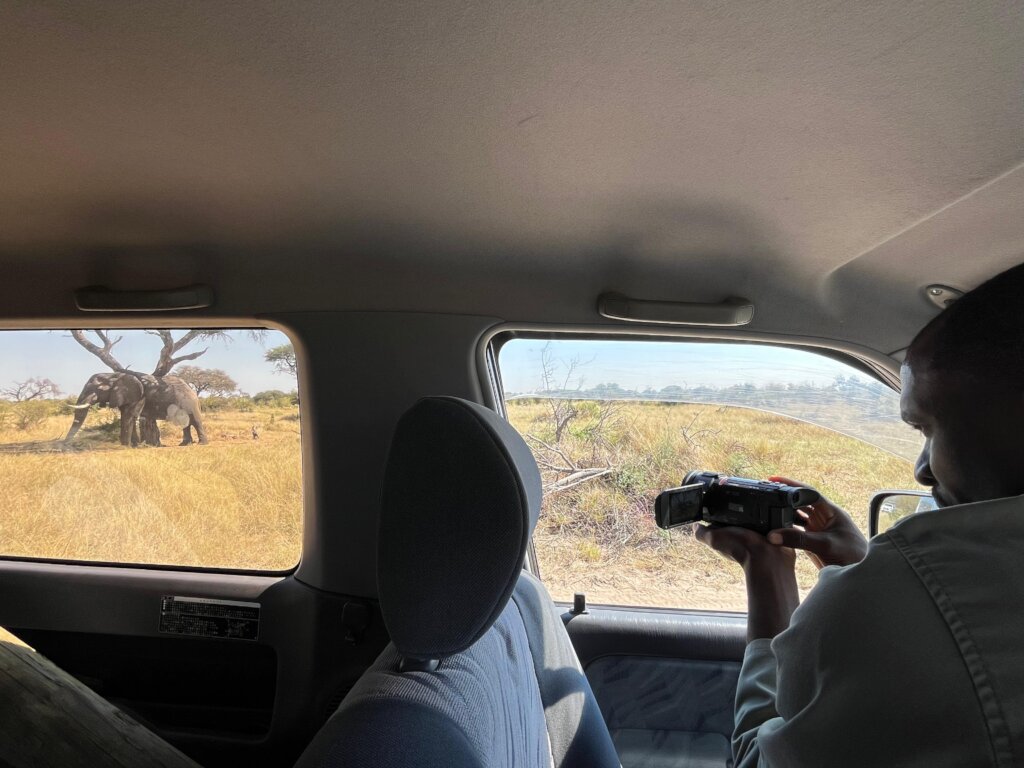
Fieldwork is underway across the Makgadikgadi Pans National Park and surrounding community lands, running through to the end of 2027, with Rachel based at the Elephants for Africa research camp. The team is building detailed behavioural records of individual elephants and cross-referencing these with data on known crop-raiding activity, testing whether the most curious individuals are also those most frequently turning up on farms.
This is one of several international research collaborations EfA is currently supporting, spanning behaviour, genetics, conflict and ecology. We are proud to play a part in pushing the boundaries of what we understand about elephants, and we look forward to sharing what this research reveals.
Thank you for making this possible. Your support is what allows Elephants for Africa to maintain the long-term presence in this landscape that researchers like Rachel depend on, and to continue our own work studying and protecting the elephants of the Makgadikgadi-Nxai Pans. Every contribution helps us stay in the field, keep our doors open to the scientists pushing this science forward, and ensure that the elephants of Botswana are studied, valued, and protected for generations to come.
Thank you,
The EfA Team
Project reports on GlobalGiving are posted directly to globalgiving.org by Project Leaders as they are completed, generally every 3-4 months. To protect the integrity of these documents, GlobalGiving does not alter them; therefore you may find some language or formatting issues.
If you donate to this project or have donated to this project, you can receive an email when this project posts a report. You can also subscribe for reports without donating.



Support this important cause by creating a personalized fundraising page.
Start a Fundraiser